India gave 3 lakh undertrials a free lawyer. Now that lawyer is leaving, mid-trial
Source Entity
Sadaf Modak
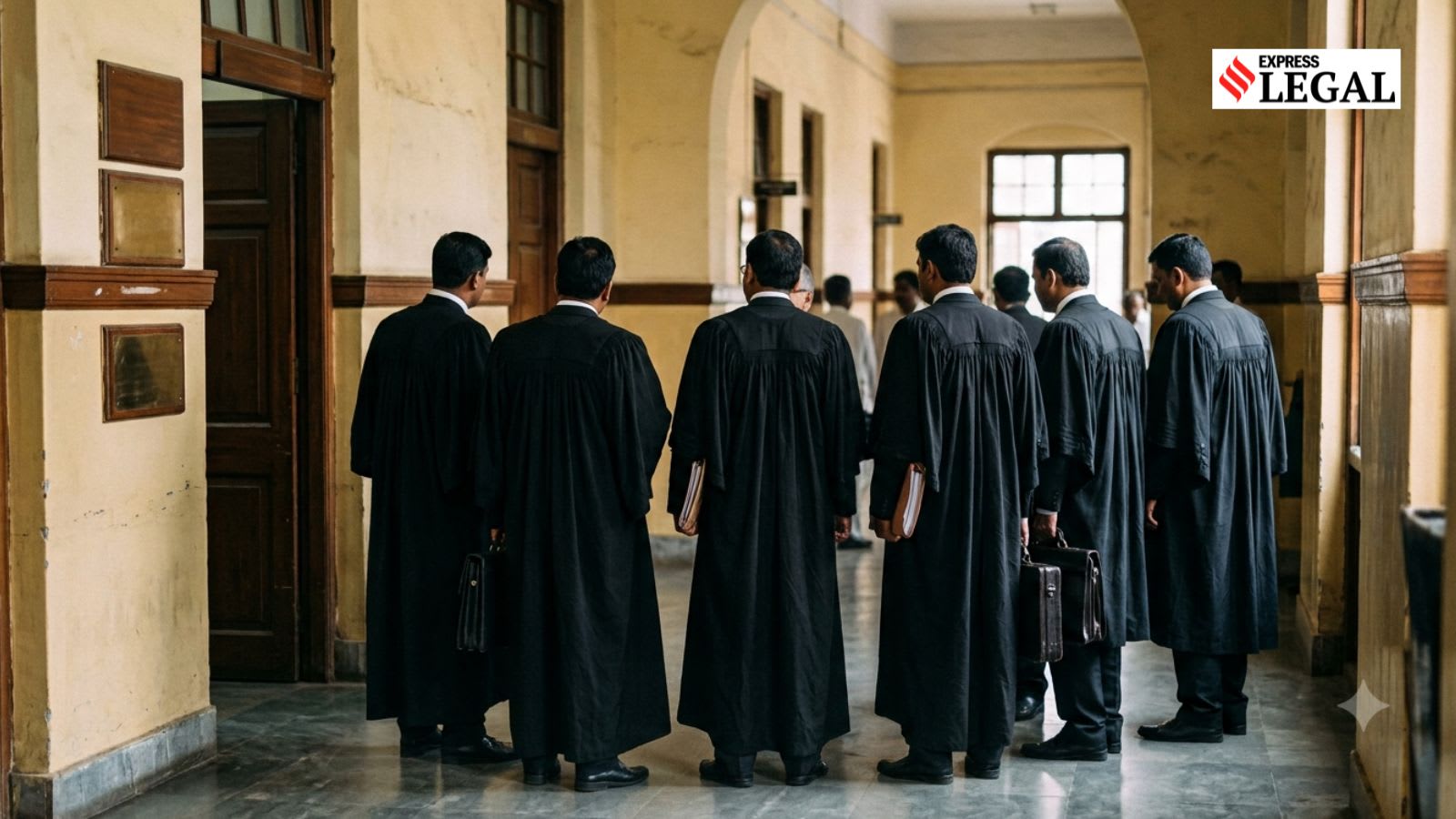
India's struggle with a high undertrial population persists despite legal aid initiatives like the Legal Aid Defence Counsel System. Challenges such as limited outreach and expiring lawyer contracts threaten to undermine the efficacy of these programs.
The Crisis of India’s Undertrial Population
India presents a paradoxical reality within its criminal justice system. While the nation’s incarceration rate is relatively low, with approximately 41 people per 1,00,000, the composition of its prison population is deeply concerning. In 2022, more than three-quarters of all prisoners were categorized as undertrials—individuals awaiting the conclusion of their trials. This places India fourth globally in terms of the share of undertrials, highlighting a systemic failure to process cases efficiently and ensure the constitutional right to a fair and speedy trial.
The Failure of Legal Accessibility
The root of this crisis lies in the intersection of poverty and the legal system. A significant portion of the undertrial population consists of individuals who are economically disadvantaged, poorly educated, or from marginalized backgrounds. These individuals remain incarcerated not because they have been convicted of crimes, but because they lack the resources to navigate complex legal procedures or secure private counsel. Despite the existence of the Legal Services Authorities Act of 1987, which established the National Legal Services Authority (NALSA) to bridge this gap, systemic barriers remain entrenched.
Challenges in Implementation and Awareness
Three decades after the inception of statutory free legal aid in India, the system continues to struggle with implementation. Limited outreach efforts and low public awareness mean that many eligible undertrials remain unaware of their right to free representation. Furthermore, the perceived or actual uneven quality of legal aid often deters individuals from relying on government-appointed counsel. This creates a cycle where the most vulnerable individuals are left to languish in jail, incurring both significant human costs and substantial economic burdens on the state.
The Legal Aid Defence Counsel System (LADCS)
The Legal Aid Defence Counsel System (LADCS) was introduced as a specialized intervention to provide dedicated, salaried lawyers for those unable to afford private representation. This model represents a departure from traditional panel-based systems, aiming to offer focused defense services. A poignant example of this system’s utility is seen in the recent case involving 44 Somali nationals arrested for piracy. After being exploited by private lawyers who failed to represent them, the court turned to the LADCS to ensure their defense, demonstrating the vital role of state-funded counsel in cases where defendants are particularly isolated from the local legal ecosystem.
The Peril of Institutional Continuity
Despite the successes of the LADCS, the program faces a looming crisis of sustainability. The case of the Somali nationals, who now face a transition in representation as their assigned LADCS lawyers reach the end of their contracts in January, underscores the precarious nature of these initiatives. The lack of a clear succession plan for ongoing cases threatens to leave defendants stranded mid-trial. This lack of institutional continuity not only risks the quality of defense but also undermines the very purpose of providing free legal aid: to ensure that the process of justice is not interrupted by the administrative expiration of a contract.
Future Trends and Reform Requirements
For India to effectively reduce its undertrial population, the focus must shift from merely providing legal aid to ensuring its consistent, high-quality, and continuous delivery. Future policy trends must prioritize the professionalization of public defenders, ensuring that their tenure is not governed by short-term, renewable contracts that threaten to derail long-running trials. Without systemic reforms that prioritize the continuity of legal representation and proactive outreach to the marginalized, the high percentage of undertrials will remain a persistent stain on the national judicial record.