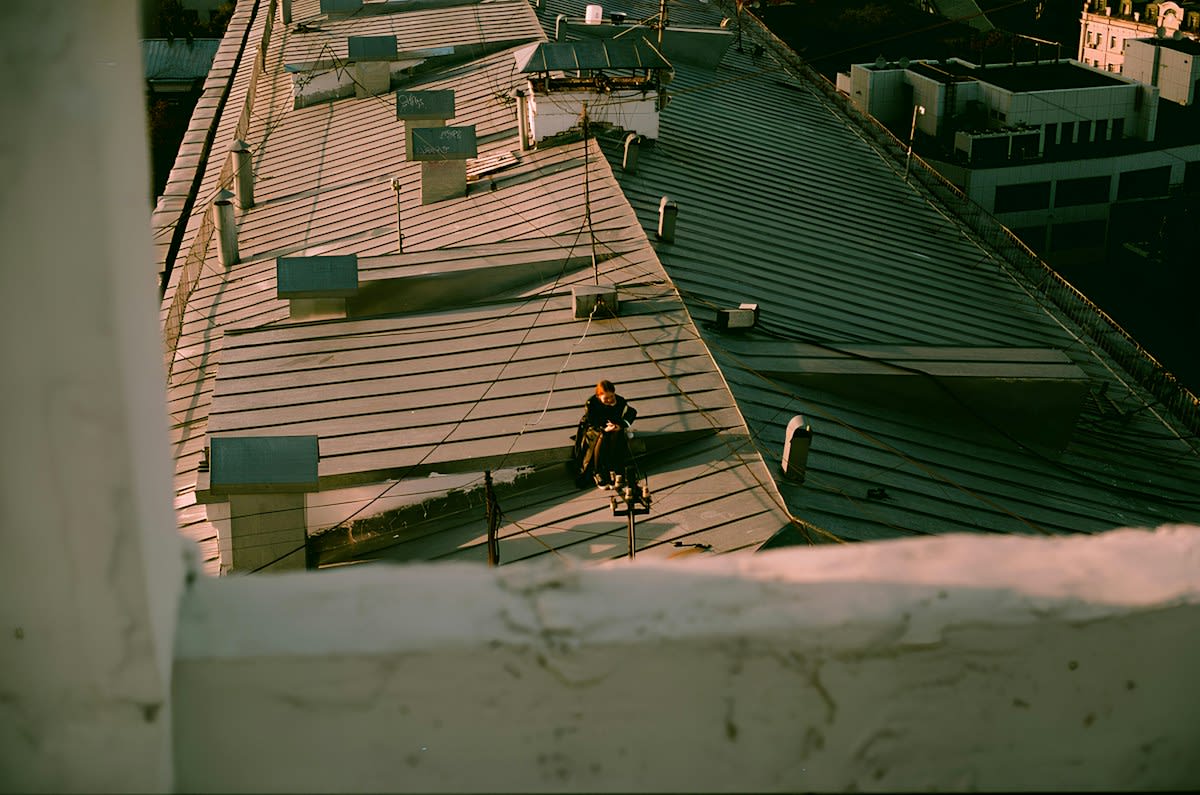
White paint is lying. While standard coatings reflect visible light, they often trap infrared heat, which effectively keeps your building acting like a thermal battery during the night. This specific chemistry creates a thermal exit. Space is cold. Radiative cooling leverages a specific atmospheric window between 8 and 13 micrometers, allowing heat to bypass the atmosphere and escape directly into the cosmic void. It operates entirely without an electrical grid.
Heat kills efficiency. In cities like New Delhi, the urban heat island effect creates a feedback loop where concrete absorbs solar radiation and releases it slowly throughout the evening. This cycle drives unsustainable energy costs for millions. Air conditioning fails. When the outdoor temperature exceeds the design limit of a compressor, the energy required to cool a room climbs exponentially. We must implement a truly passive alternative.
The Chemistry of Thermal Escape
Barium sulfate works. By using particles that are precisely sized to scatter sunlight, this paint achieves a solar reflectance of 98.1% (Source: Purdue University, 2021). It dumps thermal energy into deep space. This process allows surfaces to remain cooler than the ambient air temperature, even under direct midday sun. This is not a case of mere reflection. The paint emits thermal radiation in the infrared spectrum that the atmosphere does not absorb, effectively using the universe as a heat sink. It provides a constant cooling effect.
"The paint reflects 98.1% of sunlight and sends heat into space, reducing the surface temperature by as much as 5.8 degrees Celsius compared to a standard white paint."— Professor Jeffrey radiative cooling research team at Purdue University
Purity creates fragility. The internal debate among chemical engineers centers on whether to maximize the barium sulfate concentration for cooling or add polymers for durability. High-load paints often become brittle. This leads to cracking. When the binder cannot hold the heavy mineral load, the surface develops micro-fissures that allow moisture to seep into the substrate. We fight for the grip.
Prerequisites for Application
Preparation is everything. If you apply a high-reflectance coating over a dirty or oily surface, the paint will peel within a single season of heavy rain. Clean the surface thoroughly. You need a high-nap roller. Standard short-pile rollers cannot distribute the heavy barium sulfate particles evenly, leading to streaks that compromise the radiative properties. Use a dedicated primer. A primer ensures the bond between the mineral-heavy paint and the roof substrate remains secure during thermal expansion.
- Barium sulfate-based radiative cooling paint
- Industrial-grade surface degreaser
- High-nap rollers (for heavy particle distribution)
- Compatible acrylic-based primer
- infrared thermometer for performance verification
Step-by-Step Installation
- Scrub the substrate using a degreaser to remove all organic pollutants and dust particles.
- Apply a thin, uniform layer of primer and allow it to cure for 24 hours to prevent peeling.
- Stir the barium sulfate paint vigorously for five minutes to ensure the heavy particles are not settled at the bottom.
- Apply the first coat using a high-nap roller in a single direction to avoid creating air pockets.
- Allow the first coat to dry completely according to the manufacturer's specifications, typically 12 to 24 hours.
- Apply a second coat perpendicular to the first to ensure 100% coverage and maximize the solar reflectance.
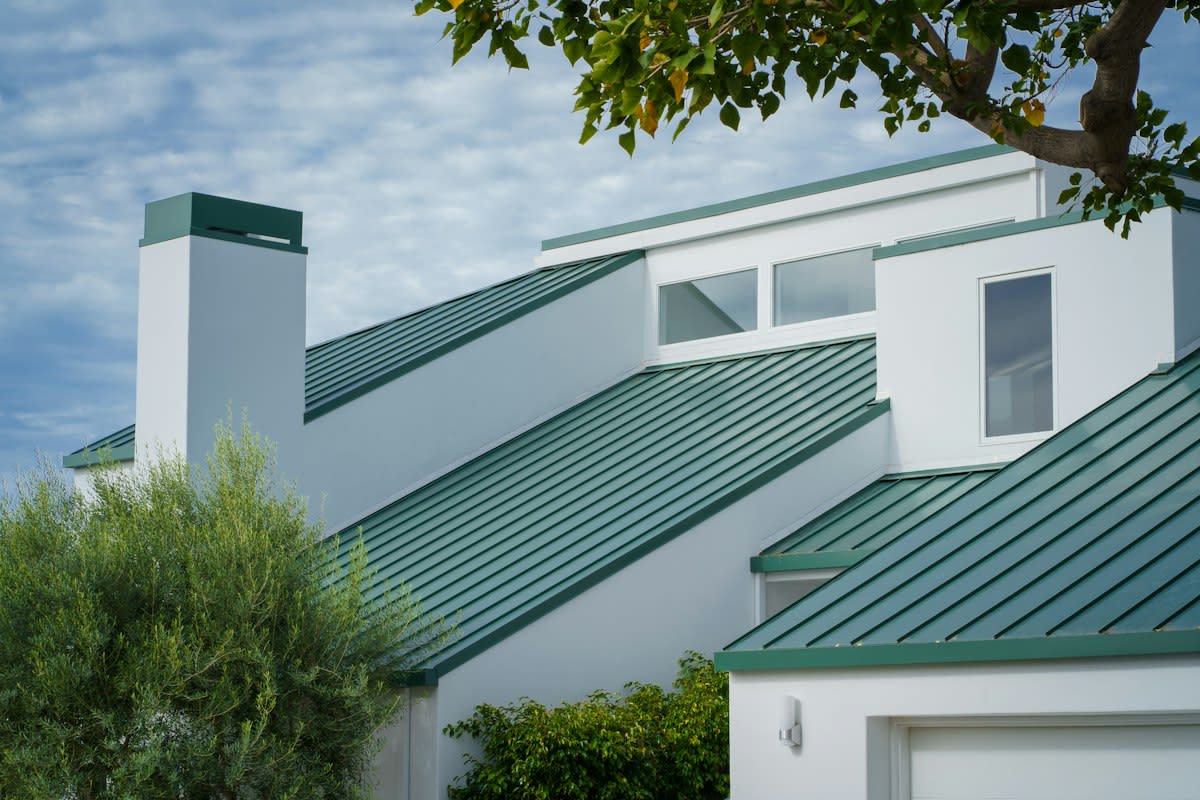
Lagos needs this. In West African coastal cities, the combination of extreme humidity and high solar gain makes traditional roofing materials oppressive for low-income housing. Passive cooling saves lives. By applying these coatings to corrugated metal sheets, residents can reduce indoor temperatures by several degrees without paying for power. It is a basic necessity. The cost of the material is high, but the cost of heat-related illness is higher. This technology democratizes thermal comfort.
Maintaining the Thermal Exit
Dirt ruins everything. When dust settles on a roof in Bangkok, the solar reflectance drops significantly, turning a high-performance cooling surface into a standard heat absorber. Regular cleaning is mandatory. A simple water rinse every three months can restore the radiative capacity of the barium sulfate particles. Neglect kills the effect. If the surface becomes saturated with soot or smog, the paint will begin to absorb heat rather than emit it. Keep the surface pristine.
| Metric | Standard White Paint | Barium Sulfate Paint |
|---|---|---|
| Solar Reflectance | 80-85% | 98.1% (Source: Purdue, 2021) |
| Thermal Emission | Low/Moderate | High (8-13 micrometers) |
| Surface Temp Drop | 1-2°C | 5.8°C (Source: Purdue, 2021) |
| Energy Source | Passive | Passive |
Common Pitfalls
Over-thinning is fatal. Many painters add water to make the paint flow easier, but this reduces the density of the barium sulfate particles. The cooling effect vanishes. You must follow the mixing ratio exactly to maintain the precise particle spacing required for radiative cooling. Humidity is a threat. Applying the paint during a tropical monsoon leads to poor curing and immediate bubbling of the coating. Wait for dry weather. A rushed job results in a total mechanical failure of the bond.
Fact-Check & Accuracy Note
The primary data for this guide is derived from the 2021 Purdue University study on ultra-white radiative cooling paint. Academic debate continues regarding the long-term durability of the barium sulfate binder when exposed to extreme UV radiation and the scalability of barium sulfate production for global urban use.