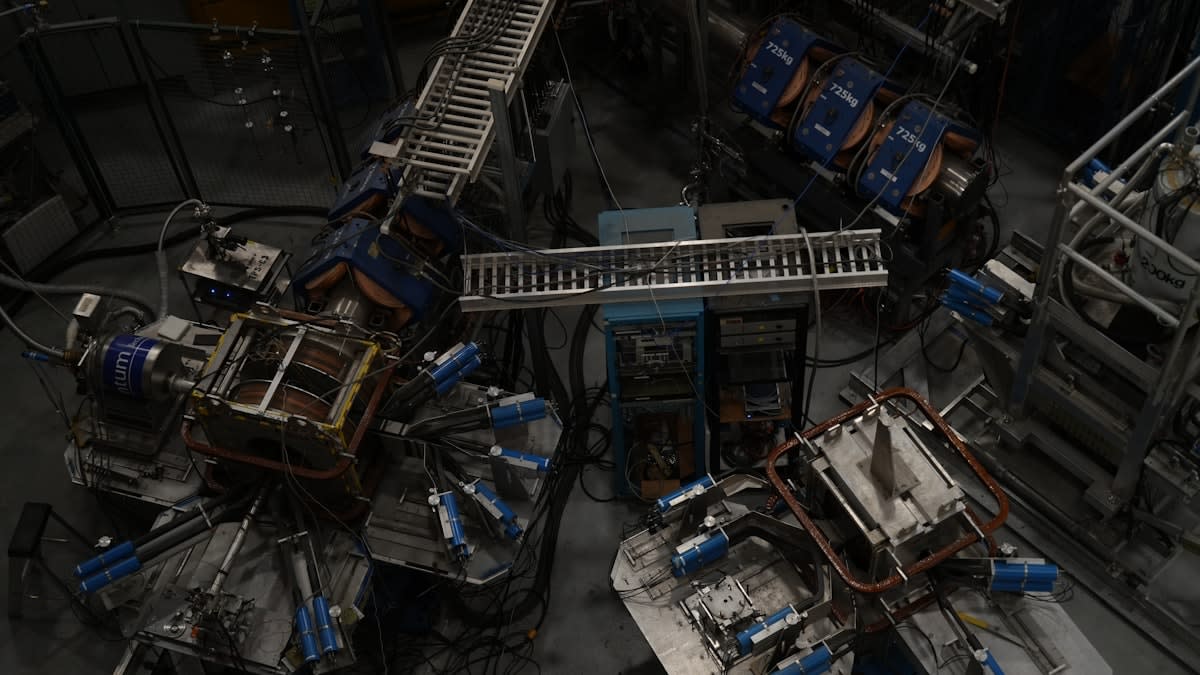
For a century, we built energy cathedrals. These massive, centralized power plants—whether coal-fired or nuclear—were designed as monuments to industrial scale, pumping electricity across thousands of miles of fragile copper veins to reach the end user. This model relied on a simple, brutal logic: the bigger the plant, the lower the unit cost. But this efficiency was a mirage. The sheer scale of these projects created systemic fragility, where a single point of failure could plunge entire provinces into darkness and construction delays could bankrupt national utilities. We are now witnessing the violent expiration of this centralized era.
Enter the Small Modular Reactor (SMR). To the uninitiated, an SMR looks like a scaled-down version of a traditional reactor. To a strategic analyst, it is a fundamental rewrite of the energy map. By shifting production from the construction site to the factory floor, SMRs decouple energy generation from the chaos of civil engineering. Why spend a decade fighting local zoning laws and geological surprises on a massive site when you can manufacture a reactor in a controlled environment and ship it via rail or barge? The shift is not about size; it is about the transition from 'project' to 'product'.

The Economic Pivot: From CAPEX Terror to Iterative Growth
Traditional nuclear power is a financial gamble of the highest order. The capital expenditure (CAPEX) required for a 1,000 MWe plant is so staggering that it often requires sovereign guarantees or decades of debt. One mistake in the pouring of the concrete or a change in regulatory requirements halfway through construction can trigger a cost spiral that lasts years. SMRs dismantle this risk profile. By deploying units in increments—perhaps starting with one 300 MWe module and adding more as demand grows—utilities can fund expansion through the revenue generated by the first unit. This is the 'lean startup' model applied to nuclear physics.
Does the industry actually have the appetite for this? Look at the movement in North America and Eastern Europe. In Canada, the focus has shifted toward deploying SMRs in remote mining communities where the cost of hauling diesel is prohibitive. In Poland, the strategic pivot away from coal isn't just about carbon; it's about energy security. They aren't looking for one giant plant that takes fifteen years to build; they want a fleet of modular units that can be integrated into the existing grid incrementally. The goal is agility, not just capacity.
| Metric | Traditional Large-Scale Nuclear | Small Modular Reactors (SMRs) |
|---|---|---|
| Typical Capacity | 1,000+ MWe | 50 - 300 MWe |
| Construction Method | Custom Site-Built | Factory-Manufactured |
| Financial Risk | Extreme (Single-point failure) | Moderate (Iterative deployment) |
| Grid Requirement | High-Voltage Transmission | Flexible / Micro-grid capable |
| Deployment Timeline | 10 - 20 Years | 3 - 7 Years |
This financial restructuring changes who can play the game. We are moving toward a world where private industrial consortia, rather than just state-backed utilities, can afford to own their power source. Imagine a massive data center complex or a green hydrogen plant that owns its own SMR. They no longer need to beg the state for grid upgrades or worry about the stability of a distant power plant. They become their own utility. This isn't just a technical change; it is the privatization of energy sovereignty.
The Factory Logic
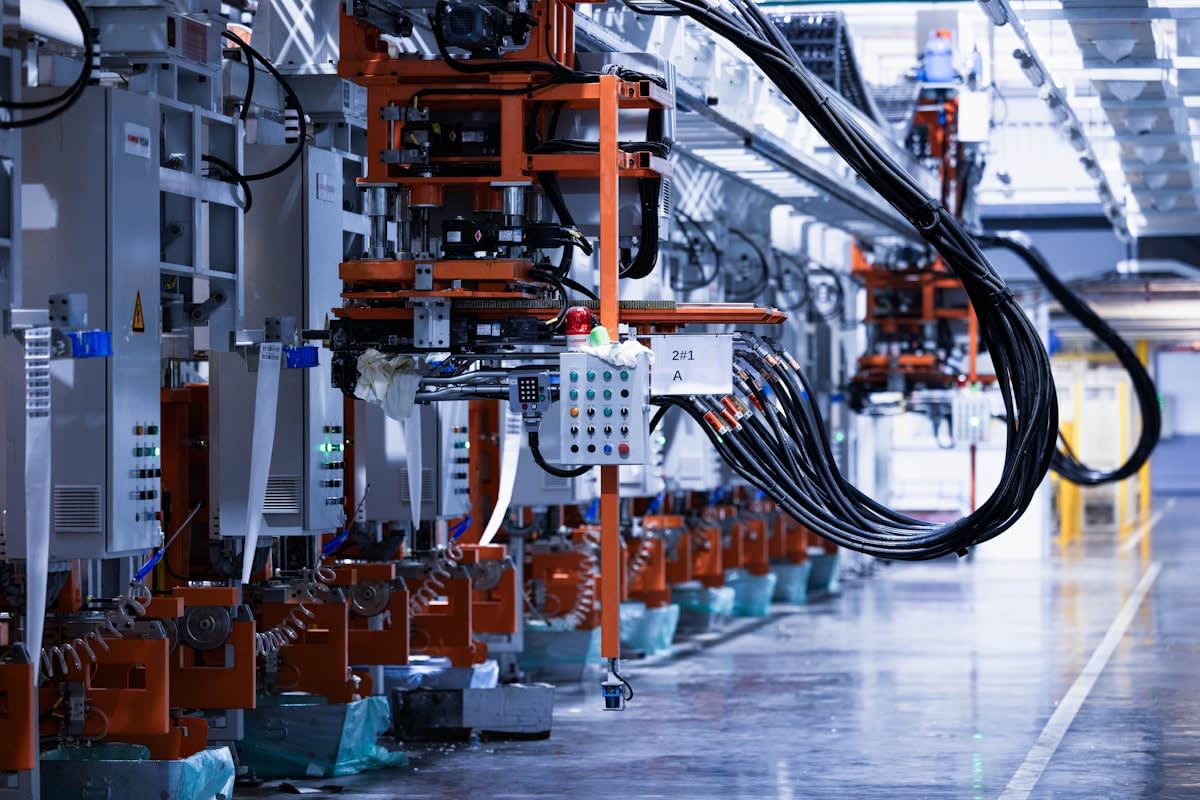
The true disruptor isn't the reactor itself, but the factory. When nuclear power becomes a manufactured commodity rather than a civil engineering project, the cost curve drops precipitously due to the learning effect of repetitive production.
The transition to a cellular energy map allows for a level of resilience that the old grid simply cannot match. In a centralized system, a storm taking out a primary transmission line creates a cascading blackout. In a decentralized SMR network, the grid is a web of autonomous cells. If one node fails, the others continue to operate, isolating the fault and preventing total system collapse. This is the difference between a single giant lightbulb and a million tiny LEDs; the latter is inherently more robust.
Beyond the Electron: The Thermal Opportunity
Most people view power plants as machines that make electricity. This is a narrow, outdated perspective. SMRs produce immense amounts of high-grade heat, which is often wasted in large plants because the heat is too far from the customer. Because SMRs can be placed directly adjacent to industrial sites, that heat becomes a primary product. We are talking about the decarbonization of heavy industry—chemical processing, desalination, and district heating—without needing to convert electricity back into heat, which is an inefficient loop.
Consider the impact on the global shipping and chemical sectors in Southeast Asia. By integrating SMRs directly into industrial parks, these regions can bypass the need for massive grid expansions through densely populated or ecologically sensitive areas. They can produce hydrogen on-site using high-temperature steam electrolysis, fueled by a reactor that fits in a warehouse. This eliminates the 'transmission tax'—the energy lost as electricity travels across long distances—and turns the power plant into an integrated industrial tool.
But why now? The timing is driven by the intersection of three pressures: the desperate need for baseload power to support AI-driven data centers, the volatility of natural gas markets, and the realization that renewables alone cannot sustain heavy industry. Wind and solar are essential, but they are intermittent. SMRs provide the steady, unwavering floor that allows a grid to integrate more renewables without risking brownouts. They are the anchor that makes the rest of the green transition possible.
"The goal is no longer to build the biggest reactor in the world, but to build the most replicable one. Scale is no longer found in the size of the unit, but in the number of units deployed."— Strategic Energy Analyst
This shift forces a reimagining of geopolitical power. For decades, energy dominance was about who controlled the oil fields or the gas pipelines. In the SMR era, dominance shifts to who owns the intellectual property of the reactor design and the precision manufacturing capacity to build them. The 'energy exporter' of the future isn't a country with a resource in the ground; it is a country with a factory that can ship a 300 MWe power plant in a crate. We are moving from a commodity-based energy economy to a technology-based one.
Of course, the skeptics point to the regulatory hurdles. Nuclear regulation was designed for the 'cathedrals'—massive, bespoke projects with thousands of pages of site-specific documentation. Applying this same bureaucracy to a factory-made module is like trying to regulate a smartphone using the rules for a mainframe computer from 1960. The real battle for the decentralized energy map will not be fought in the physics lab, but in the regulatory offices of national governments. The winners will be those who can create a 'type-certification' process, where a reactor design is approved once and then deployed anywhere.
Ultimately, the death of the power plant is the birth of the energy node. We are moving toward a world where energy is generated where it is consumed, reducing the reliance on fragile national grids and empowering local industrial clusters. This is the cellularization of power. It is a move toward resilience, flexibility, and a profound redistribution of economic agency. The era of the monolith is over; the era of the module has begun.