Hindu monk, in Bangladesh jail, gets 5-hour parole to attend mother's funeral
Source Entity
RAJEEV SINGH
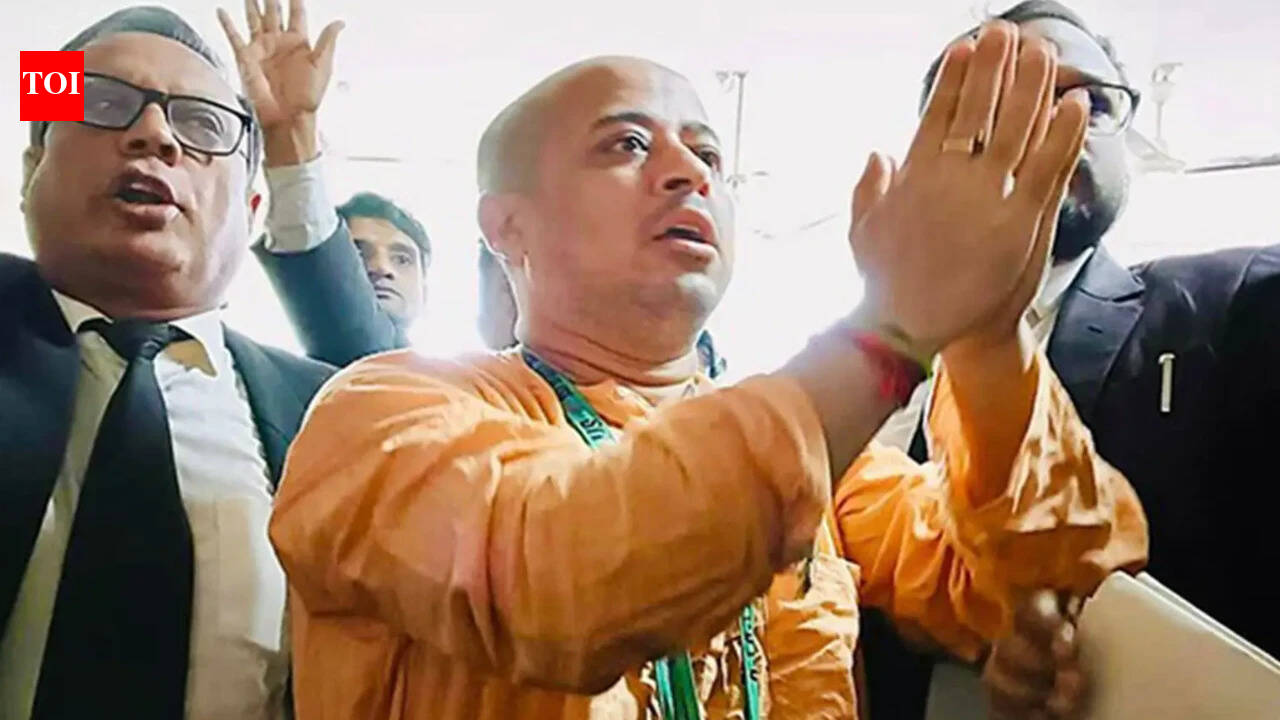
Chinmoy Krishna Das, a Hindu monk arrested on sedition charges in Bangladesh, was granted a five-hour parole to attend his mother's funeral. The decision followed a formal application by his family after his mother passed away in Hathazari.
The Parole of Chinmoy Krishna Das: A Moment of Compassion Amidst Legal Turmoil
The Context of the Arrest
Chinmoy Krishna Das, a prominent figure previously associated with ISKCON and a spokesperson for the Hindu Sammilito Sanatan Jagaran Jote, has been at the center of significant legal and social attention in Bangladesh. His arrest in November 2024 on sedition charges, stemming from allegations of disrespecting the national flag, sparked widespread discourse regarding religious freedom and legal standards. This arrest serves as the primary backdrop for the recent emotional events that have unfolded in Chattogram.
A Humanitarian Interlude
Following the death of his 70-year-old mother, Sandhya Rani Dhar, who passed away while undergoing treatment at a hospital in Hathazari, the legal situation for Das took a humanitarian turn. Upon a formal application submitted by his family, Chattogram District Deputy Commissioner Mohammad Zahidul Islam Mia granted a five-hour parole. This decision allowed Das to attend his mother's final rites, a gesture that highlights the intersection of judicial procedure and the fundamental human right to mourn a parent.
The Emotional Weight of the Event
Reports from the funeral proceedings captured a deeply poignant scene: Das, visibly overcome with emotion, was seen crying as he paid his final respects, at one point touching the feet of an idol. This moment resonated deeply, reflecting the immense personal strain faced by a public figure caught within a complex legal battle. The imagery of the monk in tears provided a stark contrast to the rigid, often impersonal nature of sedition proceedings.
Institutional and Legal Framework
The process of securing the parole was facilitated through the official channels of the Chattogram district administration. The approval, as confirmed by Swatantra Gauranga Das Brahmachari, vice-president of ISKCON's Prabartak Sri Krishna Temple, underscores the necessity of navigating bureaucratic protocols even in times of personal crisis. The five-hour window was strictly defined, requiring Das to travel to Hathazari specifically for the funeral, demonstrating how authorities manage the balance between custody and compassionate leave.
Broader Societal Implications
This incident has become a focal point for observers tracking the status of religious minorities and the application of sedition laws in Bangladesh. By framing the arrest as 'pure, unadulterated cruelty' in some public discourse, critics have highlighted the broader tensions surrounding his case. Conversely, the granting of parole suggests a recognition of the humanitarian obligations inherent in the legal system, even when the underlying charges remain highly contentious and polarizing.
Future Outlook
As the legal process continues, the case of Chinmoy Krishna Das will likely remain a significant barometer for the state of civil liberties and religious sentiment in the region. The temporary release has provided a brief respite, but the underlying sedition charges remain unresolved. Future developments will depend on the judicial proceedings following his return to custody, with many observers closely watching to see how the state balances national security concerns with the rights and sensitivities of religious leaders.