Saudi crown prince allegedly asked Trump to hit Houthis; US president declined: Report
Source Entity
ROHITASHWA RANJAN
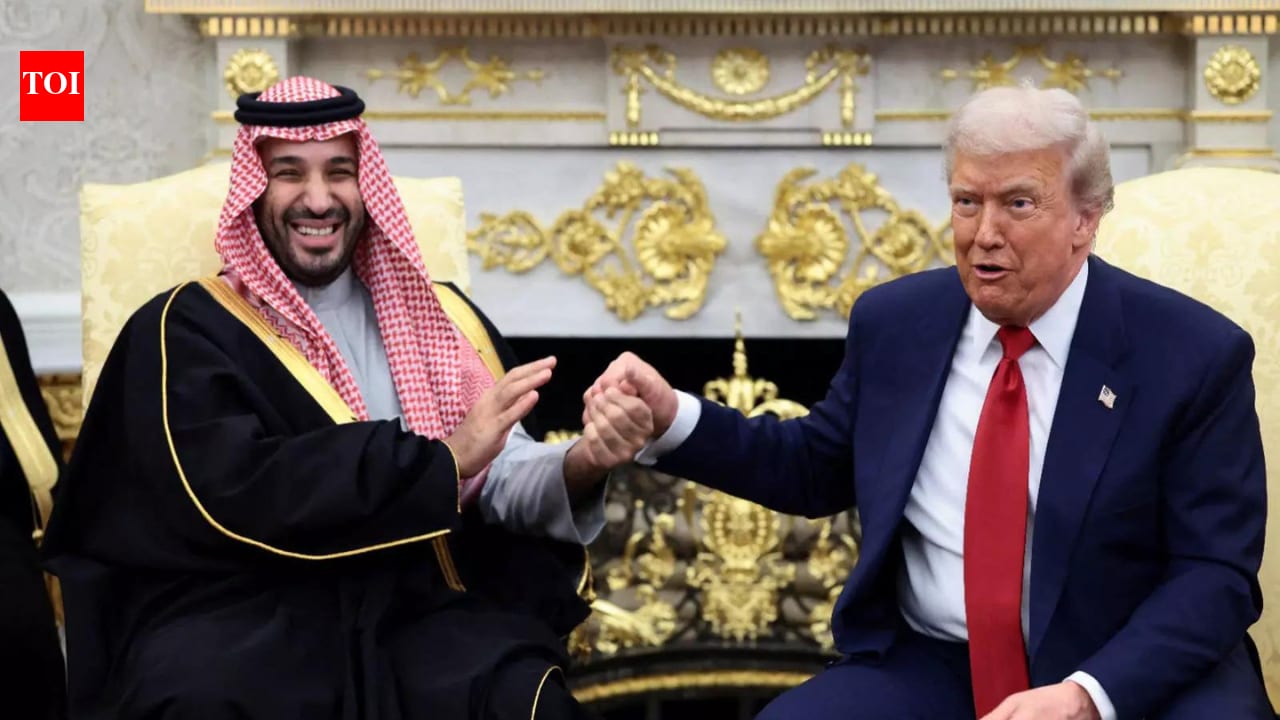
US President Donald Trump reportedly declined two requests from Saudi Crown Prince Mohammed Bin Salman to launch direct military strikes against Houthi forces in Yemen. While refusing direct intervention, the administration committed to providing Saudi Arabia with intelligence and targeting data to support their efforts.
Diplomatic Tensions: Trump Rejects Saudi Request for Strikes
Recent reports indicate that Saudi Crown Prince Mohammed Bin Salman (MBS) reached out to U.S. President Donald Trump on two separate occasions seeking direct American military intervention against Houthi forces in Yemen. This request followed a significant escalation in the conflict, specifically as Houthi forces advanced toward the strategic coastal city of Mokha, forcing a retreat of Saudi-backed Yemeni factions. The refusal by President Trump highlights a complex moment in U.S.-Saudi relations, balancing the traditional security partnership against a stated policy of non-intervention in the Yemeni theater.
The Strategic Context of the Yemeni Conflict
The conflict in Yemen has long been a focal point of regional instability, with the Houthis maintaining control over significant portions of the country. The push toward Mokha represented a critical juncture, as control of the port city holds immense strategic value for regional shipping lanes and military logistics. By attempting to leverage the U.S.-Saudi alliance, MBS sought to shift the momentum of the conflict through superior American air power, a move that would have marked a significant escalation of U.S. involvement in the multi-year civil war.
Understanding the U.S. Policy Stance
President Trump’s decision to decline the request underscores the administration's stated reluctance to engage in direct, kinetic military operations in the Yemeni conflict at that time. Despite the rejection of direct strikes, the administration did not entirely disengage. By committing to share intelligence and targeting data, the U.S. maintained its support for the Saudi-led coalition while attempting to keep American forces from becoming directly embroiled in the ground war. This distinction between providing logistical support and direct participation is a hallmark of the administration's approach to regional proxy conflicts.
Implications for U.S.-Saudi Relations
The fact that these requests were made at the highest levels of government illustrates the high stakes for the Saudi leadership regarding the Houthi advancement. While the U.S. chose to limit its involvement, the willingness to share intelligence signifies that the underlying security partnership remains intact. However, the rejection of the request also serves as a reminder that the U.S. is increasingly cautious about the political and military risks associated with direct participation in the Yemeni crisis.
Future Trends and Regional Stability
Looking forward, the reliance of Saudi-backed forces on U.S. intelligence suggests that the conflict will remain a test of regional cooperation. The strategy of providing data rather than direct firepower reflects a broader trend in modern warfare, where nations prefer to empower regional allies to handle tactical operations while providing technological and informational support from a distance. As the situation remains fluid, the reliance on such intelligence sharing will likely continue to be a defining feature of the U.S.-Saudi security framework in the Middle East.
Conclusion
In summary, the interaction between President Trump and Crown Prince Mohammed Bin Salman represents a calculated decision to support a regional ally without crossing the threshold into direct military intervention. By focusing on intelligence and targeting support, the U.S. has navigated a difficult diplomatic path that seeks to address Saudi security concerns while avoiding the pitfalls of deep, direct involvement in the complex and volatile Yemeni civil war.