KSEB ‘working hard’ to tide over power shortage, says Keralam Electricity Minister
Source Entity
India Latest News: Top National Headlines Today & Breaking News | The Hindu
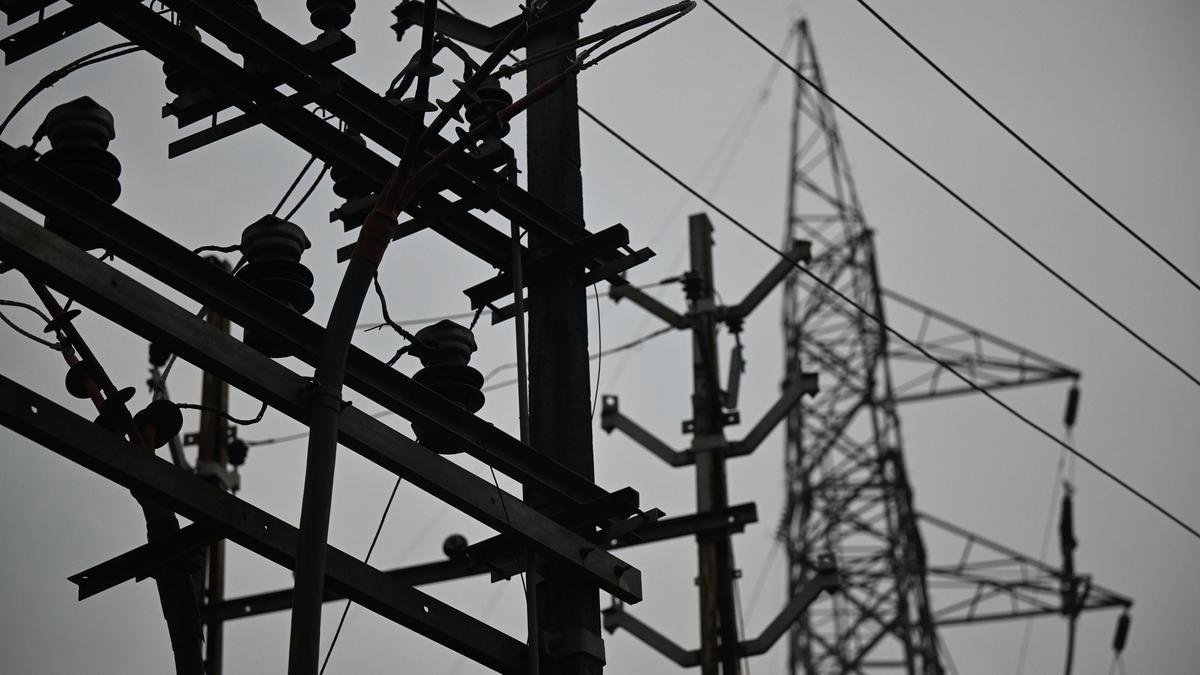
Kerala is grappling with a severe power crisis as electricity demand has surged by 1,000 MW due to soaring temperatures. Electricity Minister Sunny Joseph has urged the opposition to avoid political blame, citing long-term systemic issues and existing power-swap obligations as primary factors.
Kerala's Escalating Power Crisis: An Analytical Overview
Kerala is currently navigating a precarious energy landscape characterized by a significant supply-demand mismatch. Electricity Minister Sunny Joseph has publicly addressed the situation, emphasizing that the Kerala State Electricity Board (KSEB) is operating under immense pressure to maintain grid stability. The crisis, while immediate in its impact, is the result of a confluence of environmental factors, infrastructure limitations, and historical administrative decisions.
The Surge in Demand vs. Generation Deficits
At the heart of the current crisis is a stark increase in peak electricity demand. While the State Load Despatch Centre (SLDC) had projected a peak demand of 4,850 MW for September, unseasonably high temperatures have pushed actual demand to 5,450 MW. This 600 MW variance over projections—and a 1,000 MW increase compared to the same period last year—has severely strained the state's distribution network, necessitating the implementation of staggered power restrictions to prevent grid failure.
The Complexity of Power-Swap Arrangements
Compounding the demand surge is the burden of power-swap obligations. The KSEB is currently mandated to return 3.4 million units (mu) of electricity daily to other states—power that was borrowed to manage consumption spikes between January and April 2026. This contractual obligation forces the board to divert available power away from local consumption to meet return commitments, further tightening the state’s energy supply during a period of high demand.
Political Accountability and Historical Context
Minister Sunny Joseph has countered criticisms from the opposition by highlighting that the current energy shortfall is not solely the product of the present administration’s policies. He argues that systemic lapses occurring during the previous Left Democratic Front (LDF) tenure have contributed to the current state of infrastructure readiness. This political friction underscores the difficulty of addressing long-term energy planning in a highly polarized environment where energy security is frequently used as a tool for political posturing.
Management Strategies and Future Outlook
In response to the crisis, the Ministry has held high-level discussions with KSEB leadership to evaluate the efficacy of current power-cut schedules. The Minister has acknowledged that simple adjustments to these schedules are insufficient. The board is now tasked with finding a balance between meeting contractual obligations to neighboring states and ensuring that domestic consumers are not subjected to unsustainable outages.
Conclusion
As Kerala moves forward, the state must address the vulnerability caused by its reliance on power-swap arrangements and its susceptibility to temperature-induced demand spikes. The current situation serves as a critical indicator that the existing energy infrastructure requires significant investment to handle the growing, climate-driven fluctuations in consumption. Without a strategic pivot toward increasing local generation capacity and diversifying energy sources, Kerala will likely continue to face similar seasonal crises in the years ahead.
Verification Required?