Tragedy that Manipuri musician was attacked because of where he was from: Rahul Gandhi
Source Entity
Latest News: Todays Latest News Headlines from India & World | Hindustan Times | Hindustan Times
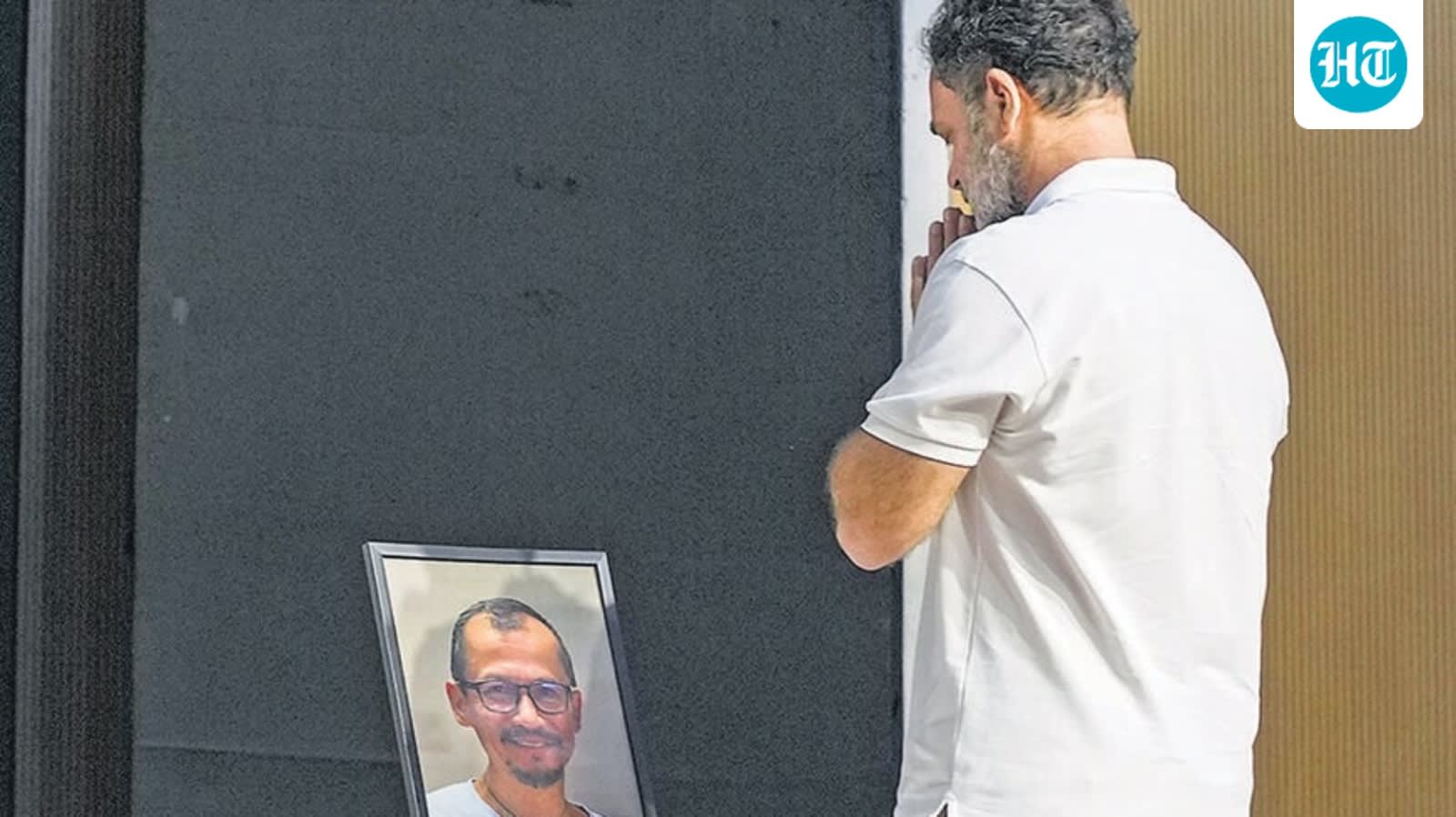
The death of Manipuri musician Chongtham Vikram Singh following a brutal assault in Delhi has ignited national outrage. Political leaders and community members are calling for justice while highlighting the persistent issue of racial discrimination against people from Northeast India.
The Tragic Loss of Chongtham Vikram Singh
The recent death of Chongtham Vikram Singh, a 54-year-old Manipuri musician, has sent shockwaves through the national capital and across the country. Singh, who had spent 17 years building a life and career as a private music teacher in Delhi, was allegedly targeted in a racially motivated assault near his residence in Kilokari village. His passing is not merely an isolated criminal act but a grim reminder of the vulnerability faced by members of the northeastern community in metropolitan India.
A Legacy of Music and Quiet Resilience
Friends, family, and fellow musicians gathered in Delhi to mourn a man described as a gifted and humble artist. Singh was known for his preference to let his music speak for him, embodying a quiet resilience in a bustling city. The outpouring of grief at his tribute ceremony underscores the deep impact he had on his students and the local music scene, transforming his personal tragedy into a collective moment of reflection for a community often marginalized in the national consciousness.
The Recurring Shadow of Racial Discrimination
Rahul Gandhi and other political leaders have explicitly addressed the incident, labeling the attack as a tragedy rooted in the victim's regional identity. This incident has reignited long-standing concerns regarding the safety and social integration of people from India’s Northeast in cities like Delhi. Historical patterns of bias and xenophobic violence against individuals from this region have frequently surfaced in public discourse, yet systemic solutions remain elusive, leaving many in the community feeling unprotected and alienated.
Broader Societal Implications
The violence inflicted upon Singh highlights a critical failure in fostering an inclusive urban environment. When individuals are targeted based on their origin, it erodes the fabric of national unity and safety. The incident necessitates a broader dialogue on the effectiveness of existing anti-discrimination measures and the urgent need for sensitization programs in urban centers to prevent such xenophobic attacks from recurring.
A Call for Justice and Institutional Change
As the investigation into the assault continues, the demands for accountability are growing louder. The incident has moved beyond a local law-and-order issue, becoming a catalyst for a national conversation on human rights and regional inclusivity. Whether this tragedy will lead to meaningful policy shifts or improved security protocols for marginalized groups in the capital remains a significant concern for civil society organizations and citizens alike.
Conclusion
Chongtham Vikram Singh’s death is a profound loss that demands more than just temporary mourning; it requires a structural commitment to eradicating the prejudices that led to his death. By addressing the root causes of racial discrimination and ensuring that the law protects every citizen regardless of their regional background, the nation can begin to honor the memory of a musician whose life was cut short by senseless violence.
Verification Required?