What does the newly passed inter-university transfer Bill mean for teachers in West Bengal? | Explained
Source Entity
India Latest News: Top National Headlines Today & Breaking News | The Hindu
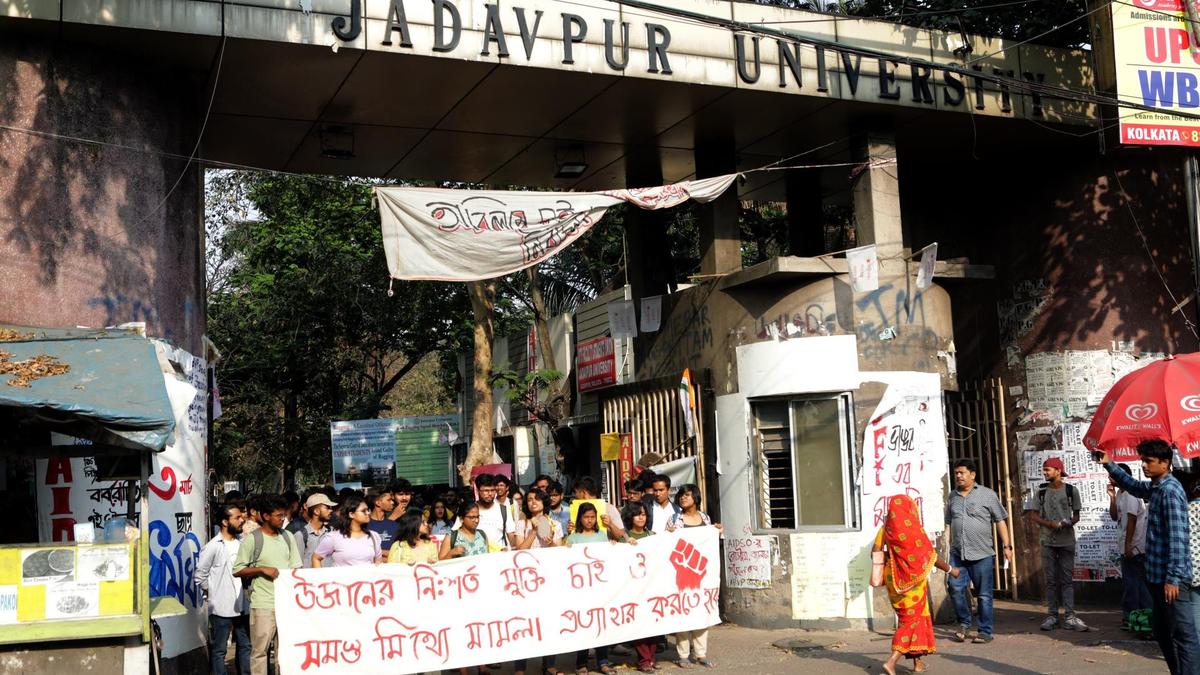
The West Bengal Assembly has passed a new bill allowing the government to transfer university staff between state institutions. While officials cite resource optimization, opposition members express concerns regarding potential political victimization of critical academicians.
Legislative Overhaul of Higher Education in West Bengal
On September 10, 2026, the West Bengal Assembly passed the West Bengal Universities and Colleges (Administration and Regulation) Amendment Bill, 2026, marking a significant shift in the management of state-run higher education institutions. Tabled by Higher Education Minister Jagannath Chattopadhyay during a special assembly session, the bill secured a decisive victory with 171 votes in favor and 15 against. This legislative move follows the state cabinet’s official approval granted just days prior on September 8.
Stated Objectives: Optimizing Human Resources
The primary justification provided by the government for this legislative change is the optimization of human resources across the state's higher education sector. According to the statement of objects and reasons accompanying the bill, the government aims to create a more fluid administrative environment where teaching and non-teaching staff can be moved between universities to address staffing imbalances. Proponents argue that such mobility could help fill critical gaps in specific institutions, thereby ensuring a more equitable distribution of academic expertise and administrative support across the state.
Protections for Academic Staff
To mitigate concerns regarding job security, the legislation explicitly mandates the protection of service conditions, seniority, and other fundamental rights of university employees. By codifying these protections within the amendment, the government seeks to reassure the academic community that transfers will not result in a loss of rank or benefits. The inclusion of these safeguards is designed to maintain institutional stability and prevent the erosion of tenure-based protections that have historically defined university employment in India.
The Opposition’s Perspective: Fears of Political Targeting
Despite the government's assurances, the bill has faced sharp criticism from opposition MLAs. The primary concern raised by the dissenters is that the power to transfer staff could be weaponized to target academicians who are critical of the West Bengal government. By granting the state authority over faculty placement, critics fear that the administration may use the threat of transfer as a mechanism to silence dissent or punish educators who express views contrary to the state’s political agenda.
Broader Implications and Future Trends
This development suggests a trend toward increased centralization in the management of West Bengal’s universities. While the government maintains that the move is purely administrative, the tension between state oversight and institutional autonomy remains a central debate. Moving forward, the implementation of this law will be closely watched to see if the transfer process is conducted transparently or if it becomes a source of litigation regarding academic freedom and institutional independence. The success of this policy will likely depend on whether the state can prove that transfers are based on objective academic needs rather than political considerations.
Verification Required?