
The Philosophy of Decoupling
Most homeowners mistake a grid-tied solar system for energy independence. It is not. A grid-tied system is essentially a lease agreement with a utility company where you trade current for credits, but you remain tethered to a fragile, centralized architecture. True decoupling means building a system where the grid is an optional backup, not a primary lifeline. Why settle for a system that shuts down during a blackout for safety reasons? To achieve real sovereignty, you must transition from a consumer mindset to a producer-operator mindset, treating your home as a micro-utility.
The shift toward distributed energy resources (DERs) is no longer a fringe hobby for survivalists; it is a strategic adaptation to global energy volatility. According to the International Energy Agency (Source: IEA, 2023), the deployment of rooftop solar and residential storage is accelerating as the Levelized Cost of Energy (LCOE) for renewables continues to plummet. This isn't about fighting a crisis, but about seizing the opportunity to optimize your own overhead. When you decouple, you eliminate the 'transmission tax' and the systemic risks associated with aging infrastructure that plagues cities from Jakarta to Johannesburg.
Prerequisites for Energy Sovereignty
Before you buy a single panel or battery, you need a rigorous data set. Most people guess their energy needs, and that is where they fail. You cannot build a resilient system on assumptions. You need to know your base load—the minimum power your house draws to stay alive—and your peak load, which occurs when the AC, oven, and dryer all hit the circuit simultaneously.
- A 30-day energy audit using a smart meter to track kWh consumption by hour.
- A dedicated, ventilated space for battery storage (temperature control is non-negotiable).
- A structural assessment of your roof or ground space for generation arrays.
- A clear budget that accounts for 'over-provisioning' by at least 20% to handle degradation.
- Local regulatory clearance for 'island mode' operation to avoid back-feeding the grid.
Once these basics are locked in, you can move from planning to procurement. The bridge between a failing system and a successful one is the quality of the initial audit. If you under-calculate your surge currents—the massive spike of power needed to start a refrigerator compressor—your inverter will trip, and your expensive system will become a very heavy paperweight.
The Step-by-Step Blueprint for Decoupling
- Load Shedding and Efficiency Optimization: Before adding power, remove the waste. Replace every legacy appliance with high-efficiency DC or inverter-driven AC alternatives. It is ten times cheaper to save a watt than to generate and store one.
- Generation Array Selection: Diversify your inputs. While solar is the gold standard, combining it with a small wind turbine in coastal regions or micro-hydro in mountainous areas ensures you aren't dependent on a single weather pattern.
- Storage Architecture Deployment: Select your chemistry based on cycle life and safety. LiFePO4 (Lithium Iron Phosphate) is currently the industry preference for residential use due to its thermal stability and longevity (Source: IRENA, 2022).
- Inverter and EMS Integration: Install a hybrid inverter capable of seamless switching between grid, battery, and generation. The Energy Management System (EMS) acts as the brain, deciding when to charge and when to discharge based on real-time pricing or state-of-charge.
- The 'Island' Test: Disconnect from the grid entirely for 72 hours. This is the only way to identify 'phantom loads' and verify that your storage capacity meets your actual living requirements.
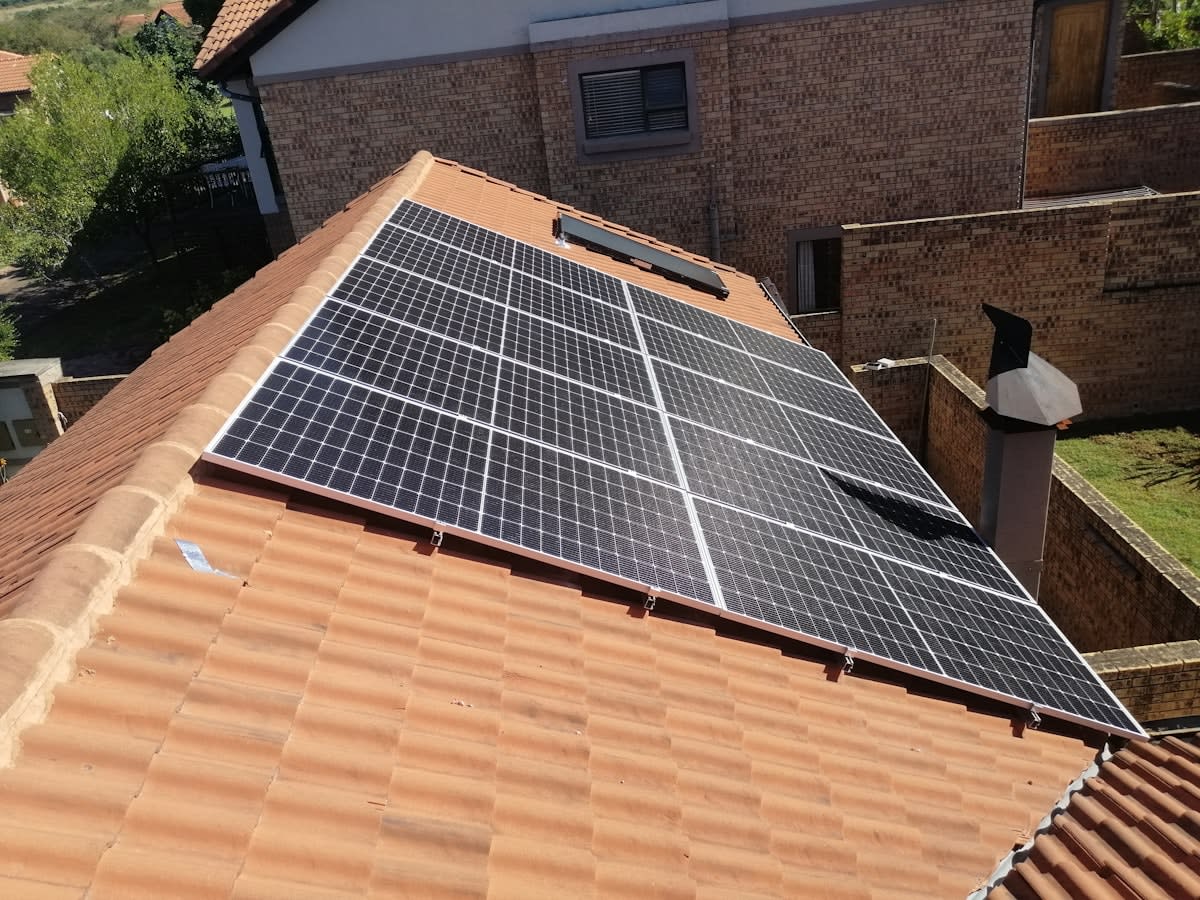
"The transition to decentralized power is not merely a technical shift but a socio-economic one. By moving the point of generation to the point of consumption, we eliminate the inherent inefficiencies of the 20th-century hub-and-spoke model."— International Renewable Energy Agency (IRENA), 2022 Report on Decentralized Energy
From a practitioner's perspective, the real battle isn't in the hardware—it's in the wiring. I've seen countless 'professional' installs fail because the contractor used undersized cables, leading to massive voltage drops between the battery bank and the inverter. In the field, we debate the merits of 48V versus higher voltage DC buses. While higher voltage reduces current and allows for thinner wires, 48V remains the sweet spot for residential safety and component availability. If you see a technician ignoring cable gauge or skipping proper grounding, fire them immediately. The friction in these systems usually manifests as heat, and heat is the enemy of efficiency.
Comparing Storage Chemistries
| Chemistry | Cycle Life | Safety Profile | Depth of Discharge (DoD) |
|---|---|---|---|
| Lead-Acid (AGM/Gel) | 500-1,000 | Moderate | 50% |
| LiFePO4 | 4,000-6,000 | Very High | 80-90% |
| NMC (Lithium) | 1,000-2,000 | Moderate | 80% |
| LTO (Titanate) | 10,000+ | Extreme | 90%+ |
Choosing the right battery is a balance of capital expenditure and long-term operational cost. While Lead-Acid is cheap upfront, the 50% depth of discharge limit means you have to buy twice as much capacity to get the same usable energy as a LiFePO4 system. Furthermore, the maintenance requirements of flooded lead-acid batteries are a deterrent for most modern homeowners. For those in extreme climates, LTO batteries are the gold standard, as they can charge and discharge in temperatures that would freeze a standard lithium cell solid.
Common Pitfalls to Avoid
The most frequent mistake I encounter is the 'Over-Generation Trap.' Homeowners often spend their entire budget on massive solar arrays but skimp on the storage. This results in a system that produces a surplus of energy during the day—which is wasted if the grid won't take it—but leaves the house in the dark by 2:00 AM. Your system is only as strong as its weakest link; usually, that link is the battery bank. Ensure your storage can carry your critical loads for at least three days of zero sun (the 'autonomy period').
Another critical error is neglecting the 'Phantom Load.' Modern homes are filled with standby devices—smart speakers, DVRs, and chargers—that draw small amounts of power 24/7. While a single LED standby light seems negligible, twenty of them can drain a battery bank significantly over a week of cloudy weather. I recommend installing a physical kill-switch for non-essential circuits to completely isolate these vampires during low-generation periods.
Fact-Check & Accuracy Note
This guide relies on technical standards from the International Energy Agency (IEA) and the International Renewable Energy Agency (IRENA) regarding LCOE and battery chemistry. While the principles of electrical engineering are universal, local building codes and electrical standards (such as NEC in the US or IEC internationally) vary. Always consult a licensed master electrician for the final commissioning of your system to ensure safety and compliance.