Abhijeet Dipke granted conditional bail: 'Ensure no breach of peace for one year'
Source Entity
Latest News: Todays Latest News Headlines from India & World | Hindustan Times | Hindustan Times
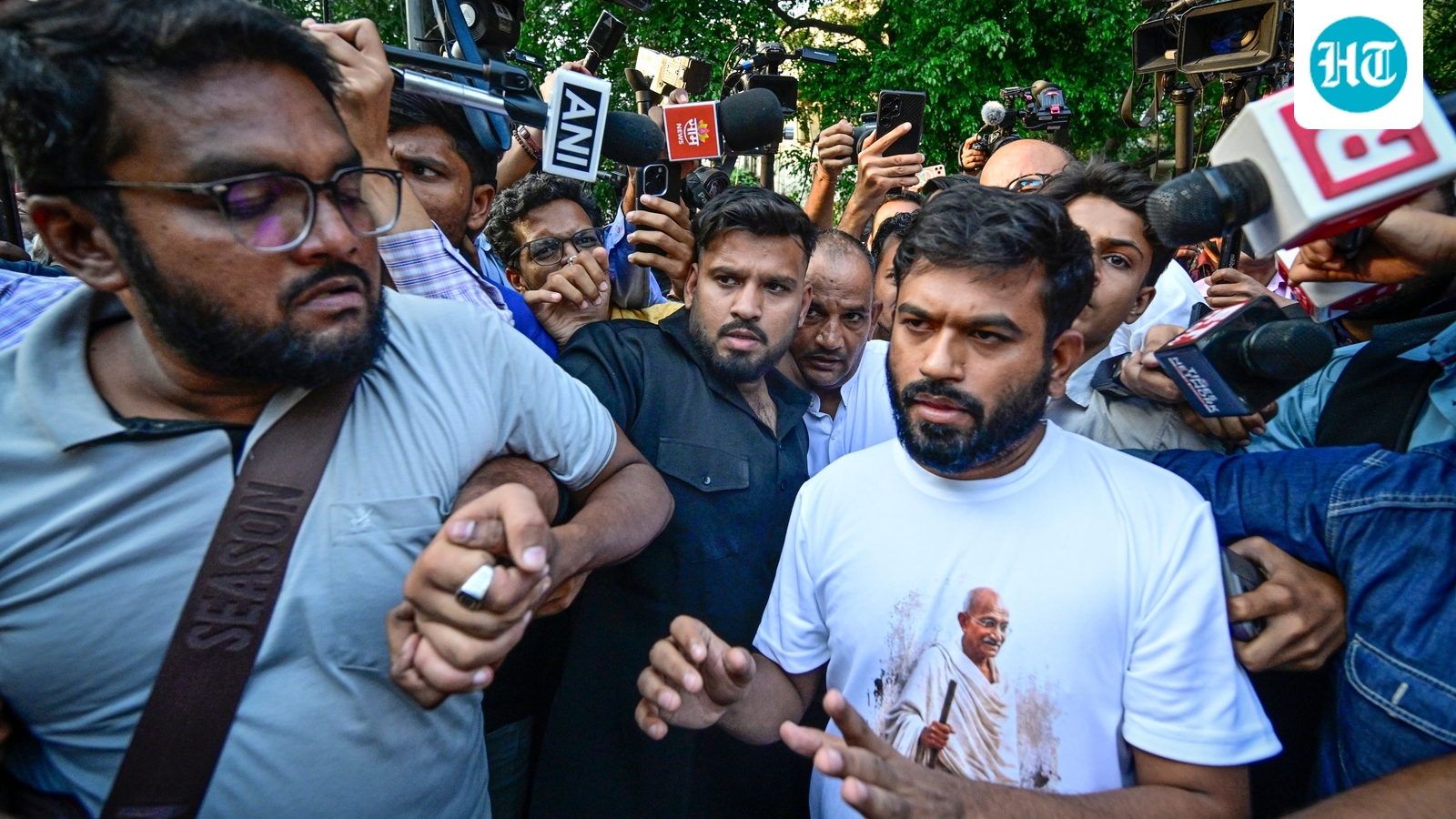
Abhijeet Dipke, founder of the Cockroach Janta Party, has been released on conditional bail following his arrest and detention by Delhi Police. The bail requires him to maintain peace for one year after his planned protest march was thwarted.
The Legal Status of Abhijeet Dipke
Abhijeet Dipke, the founder of the Cockroach Janta Party (CJP), has been granted conditional bail by the Special Executive Magistrate at Mandir Marg. This development follows his detention by the Delhi Police on Friday, October 16, while he was departing from his residence in Jhandewalan. The arrest occurred as Dipke was en route to Connaught Place to lead a planned demonstration, which he had promoted under the banner of a 'Lehra Do Tiranga' march.
Conditions of Release
The primary stipulation imposed by the magistrate for Dipke's release is a binding undertaking that he must ensure no breach of the peace for a period of one year. This form of preventive legal measure is often utilized by authorities to manage individuals whose public activities are deemed to potentially disrupt public order or safety. By requiring this bond, the judicial system seeks to balance the right to assembly with the state's interest in maintaining civic stability.
The Context of the 'Lehra Do Tiranga' March
The arrest was a direct response to Dipke's public call for a protest march scheduled for 5:00 PM on October 16. The Delhi Police, acting under preventive detention protocols, intercepted Dipke before he could reach his intended destination in Connaught Place. This proactive intervention underscores the heightened security environment in the capital, where public demonstrations in high-traffic areas are subject to strict regulatory oversight and police monitoring.
Broader Implications for Political Expression
The detention and subsequent bail conditions of a political organizer like Dipke highlight the tension between grassroots political mobilization and law enforcement strategies. While the CJP is a smaller, niche political entity, the state's use of the Special Executive Magistrate reflects a standard administrative approach to managing potential public order disturbances. The requirement to maintain peace for a year acts as a significant legal constraint on the political activities of the individual involved.
Future Outlook and Legal Compliance
Moving forward, the primary concern for Dipke will be adherence to the court's strict mandate. Any deviation from the condition to maintain peace could lead to the revocation of his bail, as the undertaking serves as a formal legal safeguard for the state. As the full text of the bail order becomes available, further details regarding specific restrictions on his movement or communication may emerge, potentially shaping his future ability to organize public events.
Verification Required?