UDP Down To 4 In Meghalaya As Speaker Recognises 8 MLAs' Switch To BJP
Source Entity
NDTV News Search Records Found 1000
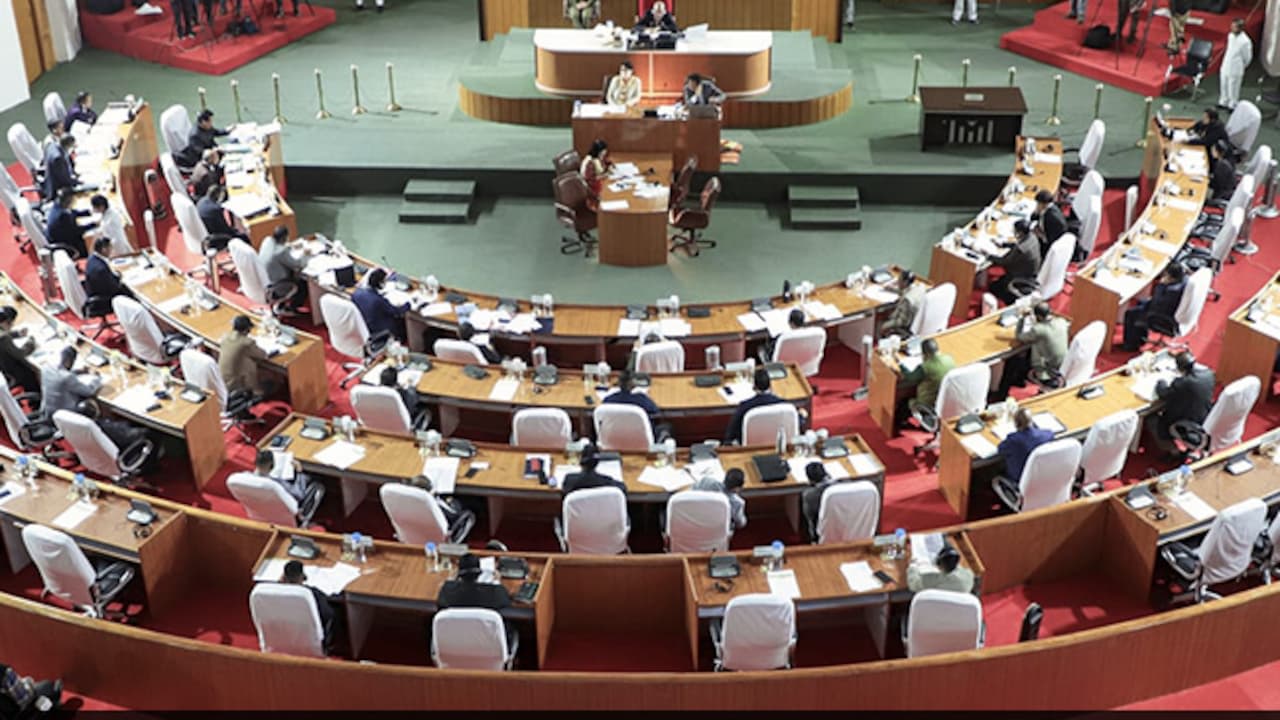
The Meghalaya Assembly Speaker has officially recognized the defection of eight UDP MLAs to the BJP. This shift significantly reduces the UDP's strength to four members, altering the state's legislative arithmetic.
Shifting Political Dynamics in Meghalaya
The recent decision by the Meghalaya Assembly Speaker to formally recognize the transition of eight MLAs from the United Democratic Party (UDP) to the Bharatiya Janata Party (BJP) marks a significant recalibration of the state's political landscape. By officially acknowledging this defection, the Speaker has effectively codified a shift in the legislative power balance, reducing the UDP’s presence to just four members. This transition serves as a stark reminder of the fluid nature of coalition politics in Northeast India, where party allegiances can shift rapidly based on regional strategic interests and national political alignments.
Impact on Legislative Arithmetic
The immediate consequence of this development is the disruption of the existing party arithmetic within the Meghalaya Assembly. Legislative strength is not merely a matter of numbers; it dictates committee representation, floor management, and the ability of a party to influence policy discourse. With the UDP now reduced to a four-member caucus, their leverage in future legislative sessions and coalition bargaining is significantly diminished. This change forces a re-evaluation of how the ruling coalition will manage its internal dynamics moving forward.
The Strategic Pivot to the BJP
For the BJP, the absorption of these eight legislators represents a strategic expansion of its footprint in a region where it has historically sought to increase its influence. By integrating these members, the BJP is positioning itself to play a more central role in the state's governance. This move reflects a broader trend of political consolidation, where parties seek to align themselves with national power centers to secure developmental funding and political stability for their respective constituencies.
Historical Context of Coalition Shifts
Meghalaya’s political history is characterized by complex coalition arrangements, often necessitated by fragmented mandates. The movement of MLAs between parties is a recurring theme in the state's legislative history, often driven by the desire to be part of the ruling government. This latest development is consistent with long-standing patterns in the region, where individual political actors prioritize proximity to power to ensure they can deliver on promises made to their local voter base.
Future Implications and Trends
Looking ahead, this development suggests that the BJP will likely exert greater influence over Meghalaya’s policy agenda. As the party arithmetic settles into this new configuration, the remaining UDP members will face the challenge of maintaining their relevance in a house where their numerical strength has been severely curtailed. Political analysts will be watching closely to see how this transition impacts upcoming legislative votes and whether it signals a permanent shift in the electoral fortunes of the parties involved.
Conclusion
In summary, the formal recognition of the eight MLAs' switch to the BJP is a pivotal moment for Meghalaya's political structure. It underscores the fragility of traditional party boundaries and the high stakes of legislative maneuvering. As the Assembly adapts to this new reality, the focus will inevitably shift toward how this consolidated power will be utilized in the governance of the state and the subsequent impact on the political careers of those involved.
Verification Required?