Reform MSP quits party to sit as independent
Source Entity
BBC News
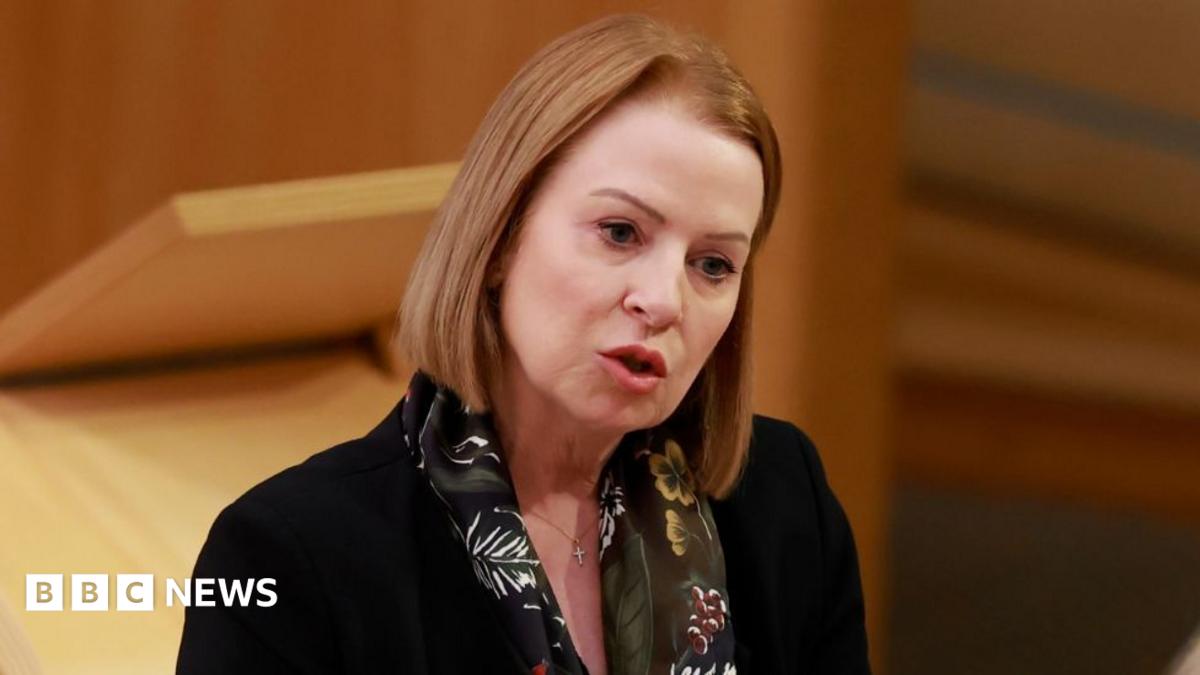
MSP Amanda Bland has resigned from Reform UK Scotland to sit as an independent, reducing the party to the third-largest group at Holyrood. Reform UK has called for her to step down from her seat to allow the next party candidate to take her place.
Political Shift at Holyrood: Amanda Bland Resigns from Reform UK
The landscape of the Scottish Parliament has shifted following the surprise resignation of MSP Amanda Bland from Reform UK Scotland. By choosing to sit as an independent, Bland has fundamentally altered the parliamentary arithmetic at Holyrood, effectively relegating Reform UK to the third-largest group. This move is particularly significant as it places the party one member behind Labour, fundamentally changing the dynamics of opposition and influence within the chamber.
The Mechanics of the Resignation
Amanda Bland serves as a list MSP for the Central Scotland and Lothians West regions. Her decision to exit the party fold comes without a public explanation, leaving both her constituents and the party leadership in a state of uncertainty. Reform UK Scotland confirmed the departure but notably refrained from providing specific reasons, highlighting a disconnect between the MSP and the party organization.
Party Response and Calls for Resignation
In the wake of the news, Reform UK has taken a hardline stance. A party spokesperson publicly challenged Bland, suggesting she should "reflect on her reasons" for isolating herself. More pointedly, the party has urged her to resign her seat entirely. The argument put forward by Reform UK is that her mandate was derived from the party list system, and therefore, her seat should be filled by the next eligible candidate on that list to ensure the party's platform remains represented in Central Scotland and Lothians West.
Understanding the List MSP System
Holyrood’s electoral system, which combines constituency seats with regional list seats, is designed to ensure proportionality. Under these rules, list MSPs are technically elected on a party platform. When an MSP leaves their party, it triggers a debate regarding the legitimacy of their mandate. Since the party’s next candidate is slated to replace a departing list MSP, the pressure on Bland to vacate the seat reflects the party's desire to reclaim their lost parliamentary influence.
Broader Implications for Scottish Politics
This resignation serves as a reminder of the volatility inherent in party-list systems. As Reform UK adjusts to its new position as the third-largest group, the loss of a member may impact their ability to introduce motions, secure speaking time, or exert pressure on the governing administration. For the Scottish electorate, this event underscores the complexities of political representation when an individual representative chooses to depart from the party platform that initially secured their election.
Future Outlook
Going forward, the political spotlight will remain on Bland’s next moves as an independent. Whether she will align with other independent members or continue to vote along ideological lines remains to be seen. Meanwhile, the pressure from Reform UK to trigger a replacement suggests that the party intends to maintain a firm grip on its regional representation, setting the stage for a contentious period as the chamber navigates this transition.