Ministers must be honest about Russian threat to UK, says former Foreign Office head
Source Entity
Harry Taylor
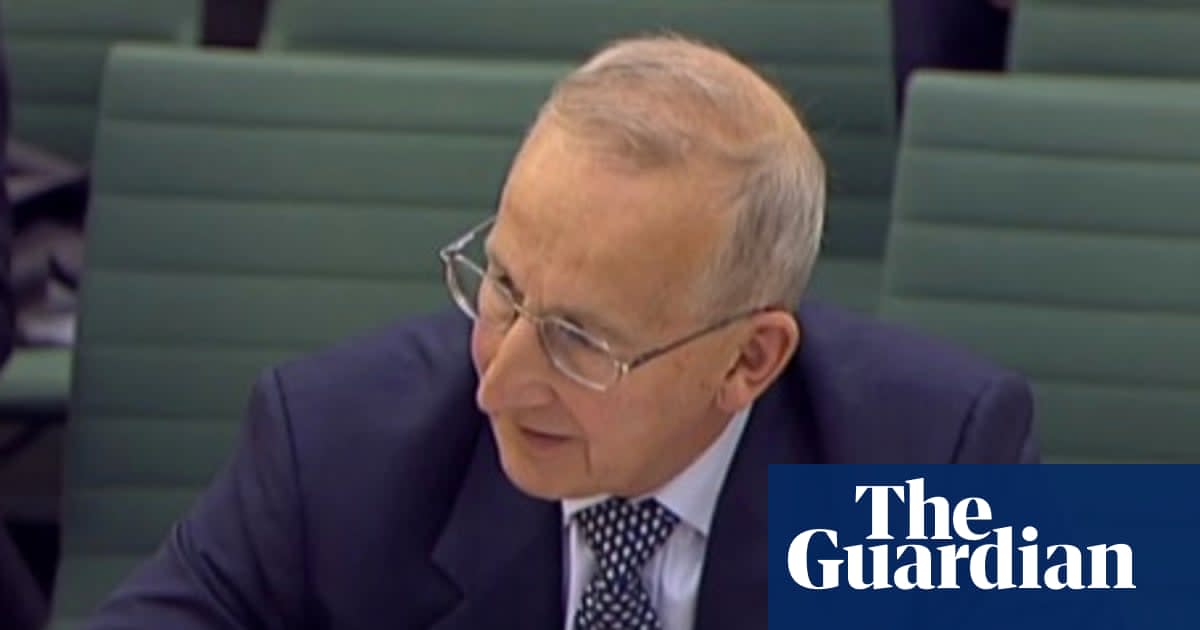
Former UK national security adviser Lord Ricketts has urged the government to transparently inform the public about the escalating risk of Russian hybrid attacks. He emphasizes the urgent need for increased investment in national infrastructure resilience to counter threats to energy, water, and transport systems.
The Escalating Threat of Russian Hybrid Warfare
Recent warnings from high-level security figures have brought the reality of Russian "hybrid warfare" to the forefront of British national security discourse. Lord Ricketts, a former national security adviser and top civil servant at the Foreign Office, has issued a stark call for the UK government to be more transparent with the British public regarding the immediate and evolving threats posed by the Kremlin. According to Ricketts, these threats are no longer abstract; they represent a tangible danger that could potentially result in the loss of life if the nation is not adequately prepared.
The Nature of Hybrid Attacks
Hybrid warfare, as described by Lord Ricketts, encompasses a broad spectrum of non-conventional tactics designed to destabilize a nation without resorting to traditional open warfare. This includes sophisticated cyber-assaults targeting critical national infrastructure (CNI) such as banking systems, energy grids, and water supplies. By focusing on these essential services, adversaries like Russia aim to erode public morale and disrupt the foundational stability of the state. Ricketts characterizes these actions as becoming increasingly "reckless" and "dangerous," necessitating a shift in how the government communicates these risks to its citizens.
Call for Infrastructure Resilience
To mitigate these vulnerabilities, Lord Ricketts has advocated for significant increases in public spending focused on national resilience. This involves hardening key sectors—specifically energy, transport, and air traffic control—against both digital and physical sabotage. The argument is that the traditional defense budget must be supplemented by strategic investments that ensure the continuity of essential services during a period of heightened geopolitical tension.
Contextualizing the Security Landscape
These warnings align with broader concerns voiced by current British intelligence and military leadership. Sir Kevin McCallum, the head of MI5, recently noted that threats from foreign states, including Russia and Iran, have quadrupled over the last decade. This convergence of expert opinion underscores a systemic shift in the threat environment, moving from localized regional conflicts to globalized efforts to compromise domestic security in Western nations.
Future Implications and Policy Directions
Moving forward, the pressure on the UK government to balance transparency with national security will likely intensify. The demand for honesty from ministers suggests a public expectation for greater awareness regarding the potential for disruption. As the security landscape continues to evolve, the UK's ability to maintain public trust while bolstering its defensive architecture will be a defining challenge for policymakers. Future trends will likely favor increased integration of cybersecurity into core national defense strategies, prioritizing the protection of digital and physical infrastructure as a primary deterrent against hostile state actors.