Documents: Police officer gave her Flock login to her ICE agent husband
Source Entity
Hacker News
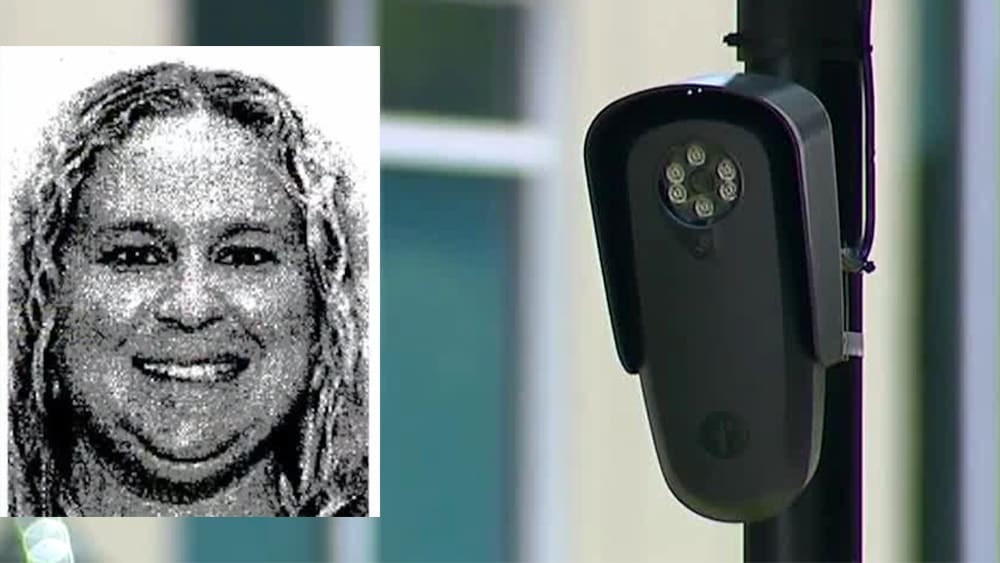
A former Savannah police officer was ousted after sharing her department login for a license plate reader system with her husband, an ICE agent. The husband used the unauthorized access to conduct hundreds of searches for immigration enforcement targets.
Breach of Trust: The Savannah Flock System Scandal
Recent investigative reporting has unveiled a significant security breach within the Savannah Police Department, involving the misuse of the Flock license plate reader system. Amber Harpe, a former officer, admitted to providing her official login credentials to her husband, an agent with U.S. Immigration and Customs Enforcement (ICE). This unauthorized sharing of access allowed a federal official to bypass departmental protocols and utilize local law enforcement surveillance technology for federal immigration investigations.
The Mechanics of the Breach
At the core of the controversy is the Flock safety system, a network of automated license plate readers (ALPRs) designed to assist local police in tracking vehicles associated with criminal activity. The records indicate that Harpe’s husband, despite working for the Department of Homeland Security, lacked his own authorized access to this specific platform. By leveraging his wife's credentials, he conducted hundreds of searches specifically aimed at locating individuals with active immigration-related arrest warrants, effectively turning a local public safety tool into an extension of federal immigration enforcement.
Accountability and Departmental Policy
This incident highlights a critical vulnerability in the management of digital credentials within modern police departments. When an officer shares their password, they are not merely violating internal security protocols; they are compromising the integrity of the data collected by the department. The decision to oust Harpe underscores the severity with which the Savannah Police Department treats the unauthorized dissemination of sensitive data and the potential liability associated with allowing unauthorized federal actors to operate within local surveillance ecosystems.
Broader Implications for Surveillance Technology
The integration of ALPR systems into local law enforcement has long been a subject of debate regarding privacy and the scope of government surveillance. This case brings a new dimension to that conversation: the potential for 'function creep.' When local tools are accessed by federal agencies through back-channel means, it raises questions about the oversight mechanisms currently in place. It suggests that without stringent identity and access management (IAM) controls, local databases can be exploited by outside entities, undermining the public trust that these systems were originally intended to build.
Future Trends in Digital Security
As law enforcement agencies continue to adopt sophisticated surveillance technologies, the need for robust, multi-factor authentication (MFA) and granular audit logs becomes paramount. This event serves as a cautionary tale for departments nationwide. Moving forward, it is likely that police agencies will implement stricter digital hygiene requirements, including periodic credential audits and mandatory training on the legal boundaries of data sharing between local and federal jurisdictions to prevent similar abuses of power.
Conclusion
The case of Amber Harpe is a stark reminder of the ethical and legal responsibilities inherent in police work. The misuse of the Flock system not only resulted in the loss of a career but also exposed systemic gaps in how sensitive surveillance data is protected. As transparency becomes increasingly vital in modern policing, agencies must prioritize the security of their digital infrastructure to ensure that public safety tools remain within their intended scope and are utilized only by authorized, vetted personnel.