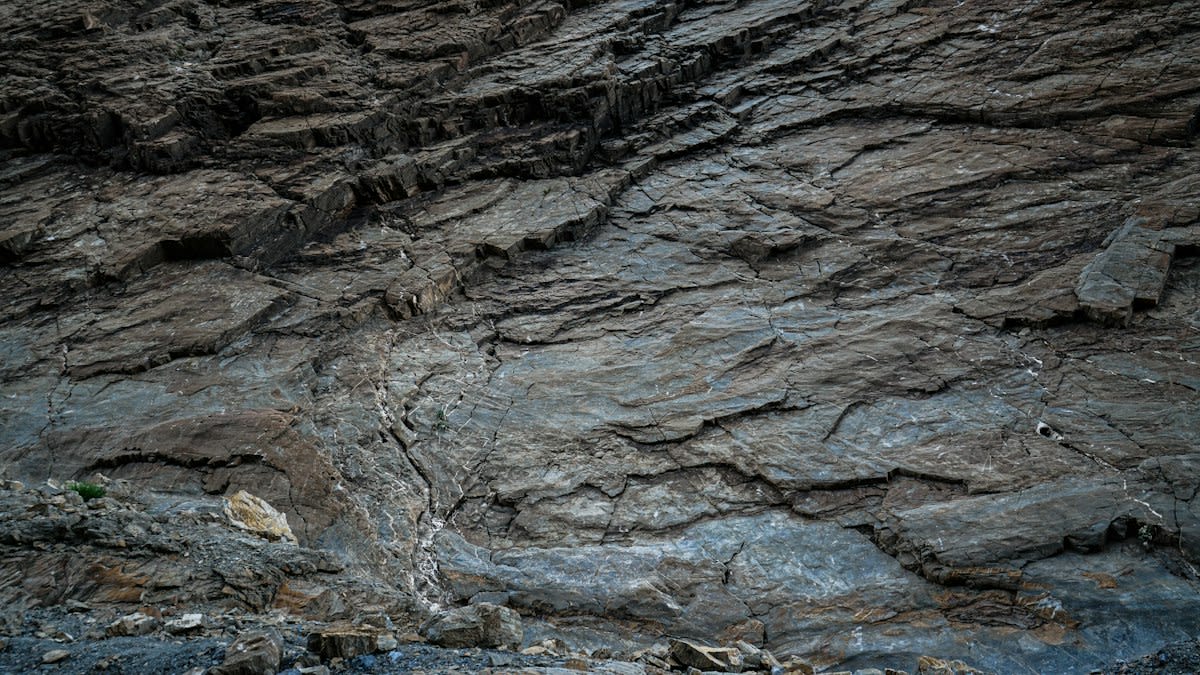
The energy industry loves a curated narrative. For a decade, the script was simple: wind and solar provide the cheap bulk, and batteries or Small Modular Reactors (SMRs) handle the gaps. It is a tidy story. It keeps the venture capital flowing into lithium mines and modular nuclear startups. But the script ignores the basement. Specifically, the supercritical heat residing five to ten kilometers beneath our feet. We have been told geothermal is a niche play for Iceland or Kenya. That was the lie. The reality is that Enhanced Geothermal Systems (EGS) have finally cracked the cost curve, turning the earth's crust into a planetary-scale battery that never drains.
For years, geothermal was hostage to geography. You needed the holy trinity: heat, water, and permeability. If you didn't have a natural volcanic vent or a porous aquifer, you were out of luck. This limited the industry to a few hyper-local hubs like the Olkaria fields in Naivasha, Kenya, where KenGen has scaled geothermal to provide nearly half of the national grid (Source: KenGen, 2022). The boardroom consensus was that scaling this globally was impossible. The cost of drilling into hard, hot basement rock was a financial suicide mission. Drill bits melted. Wells collapsed. The CapEx was a nightmare.
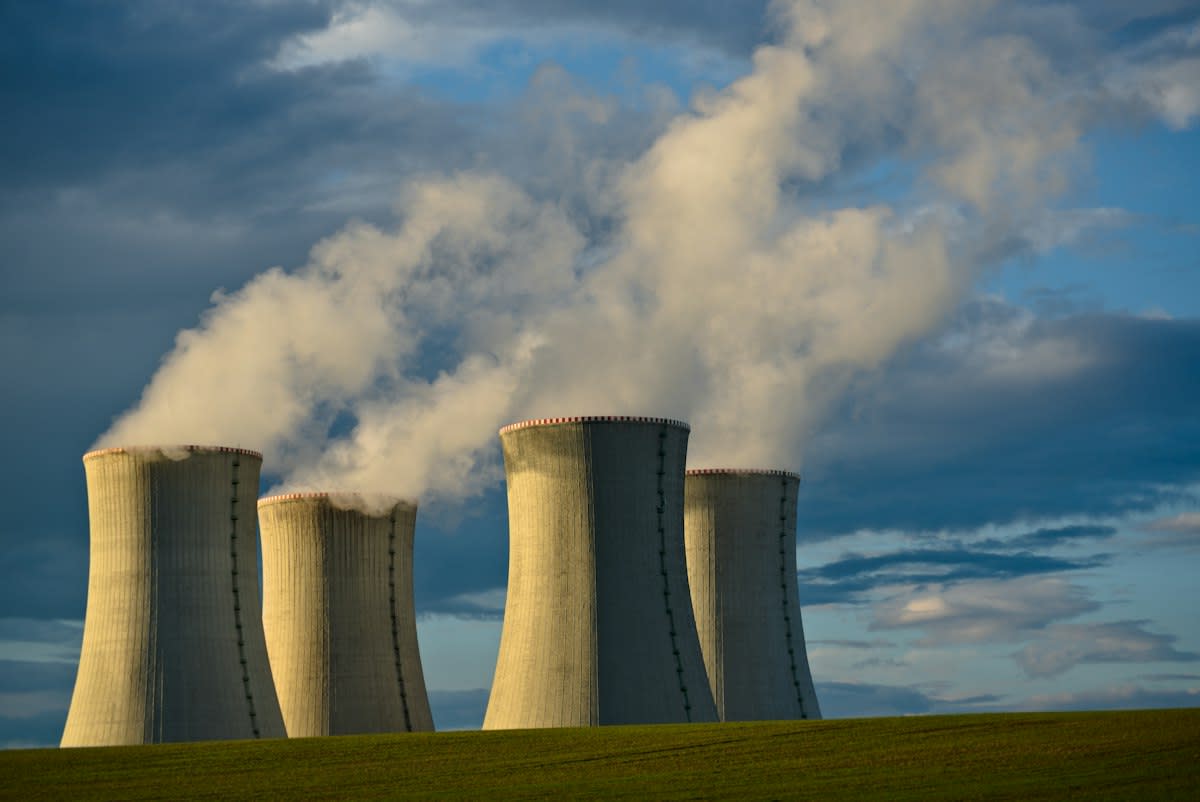
The shift happened when the industry stopped trying to find water and started creating it. Enter EGS. By borrowing horizontal drilling and multi-stage hydraulic fracturing from the shale gas revolution, companies are now engineering reservoirs where none existed. Fervo Energy proved this in Nevada, utilizing precision drilling to create a distributed network of fractures in hot rock, achieving a commercial-scale 3.5 MW pilot that operates with the reliability of a coal plant (Source: Fervo Energy, 2023). This isn't just a technical win. It is a price floor collapse. When you can put a baseload plant anywhere, the geographic premium vanishes.
"The goal is to drive the cost of EGS electricity down to 45 dollars per megawatt-hour by 2035, making it competitive with the cheapest forms of fossil fuel baseload."— US Department of Energy, Geothermal Technologies Office
Let's talk about the baseload price floor. In the current grid, the floor is set by the marginal cost of the last plant needed to keep the lights on—usually a natural gas peaker or a legacy nuclear unit. These plants are expensive to maintain and volatile to fuel. Deep geothermal breaks this because its marginal cost of fuel is zero. Once the hole is drilled, the heat is free. If EGS hits the 45 dollar per MWh target (Source: US DOE, 2023), it doesn't just compete with gas; it makes the very concept of a peaker plant obsolete. The industry whispers are already shifting. The smart money is moving away from hydrogen storage and toward deep-bore heat.
The real disruption isn't just the cost—it is the depth. Traditional geothermal stops at a few kilometers. But the new frontier is supercritical geothermal. Quaise Energy is attempting to use gyrotrons—essentially high-power microwave beams—to vaporize rock rather than grind through it. This allows for drilling depths of up to 20 kilometers, where temperatures hit 500 degrees Celsius (Source: Quaise Energy, 2024). At these depths, water becomes supercritical, carrying ten times more energy than standard steam. We are talking about a single well producing the equivalent of ten traditional geothermal wells.
| Energy Source | Capacity Factor | LCOE (Projected/Current) | Geographic Constraint |
|---|---|---|---|
| Solar PV | 20-30% | $30-60/MWh | High (Sunlight) |
| Wind | 35-45% | $40-80/MWh | High (Wind corridors) |
| Nuclear (Gen III) | 90%+ | $140-200/MWh | Low (Regulatory) |
| Deep Geothermal (EGS) | 90%+ | $45-100/MWh | Very Low (Ubiquitous) |
The transition from hydrothermal to EGS is the same transition the oil industry made from vertical to horizontal drilling. It is a leverage play. By increasing the contact area with the hot rock, you increase the energy extraction rate. This turns a geological lottery into a manufacturing process. You don't look for a hot spot; you build a heat exchanger in the basement of the world. The implication is a total decoupling of baseload power from volatile fuel markets.
But don't mistake this for a clean victory. The ground-level friction is brutal. The ghost that haunts every EGS boardroom is Basel, Switzerland. In 2006, a geothermal project there triggered a magnitude 3.4 earthquake, causing millions in damages and shutting down the project (Source: Swiss Seismological Service, 2007). This created a lasting stigma. Induced seismicity is the Achilles heel of deep geothermal. If you fracture the rock too aggressively, you don't get a reservoir; you get a liability. The technical challenge now isn't just drilling deep—it is managing the pressure transients to avoid waking up a fault line.

Then there is the regulatory rot. In most jurisdictions, geothermal is treated as a mining activity or a water right issue. Neither framework fits. You are not mining a mineral; you are harvesting a flux. In the US, the permitting process for a geothermal well can take years longer than an oil well, despite using the same equipment. This is a curated inefficiency. Legacy utilities prefer the predictability of the current grid over a decentralized heat-based system that threatens their centralized control.
The second-order consequence of this price floor collapse is the data center migration. Big Tech is desperate for 24/7 carbon-free energy (CFE). They cannot rely on batteries to power a gigawatt-scale AI cluster for three days of windless weather. They have been eyeing SMRs, but the regulatory timeline for nuclear is a joke. Deep geothermal offers a plug-and-play baseload solution that can be co-located with the data center. We are seeing a quiet pivot where the largest compute hubs in the world may soon be built directly on top of EGS wells.
Look at the Iceland Deep Drilling Project (IDDP). They hit a magma chamber by accident in 2009, reaching temperatures of 427 degrees Celsius (Source: IDDP, 2017). While that was a fluke, it proved that the energy density of supercritical fluids is an order of magnitude higher than anything we currently use in commercial geothermal. The goal now is to replicate that energy density without the fluke. When you combine the precision of Fervo's drilling with the temperatures of the IDDP, the math changes. The cost per kilowatt-hour plummets.
The mainstream narrative will tell you that we need a mix of everything. A little wind, a little solar, a lot of batteries, and some nuclear. That is the safe, diversified bet. But the systemic leverage of EGS suggests a different future. If you can deploy baseload power anywhere on earth for under 50 dollars per MWh, you don't need the complex balancing act. You just need more holes. The energy transition isn't about capturing the wind; it is about tapping the core.
Fact-Check & Accuracy Note
The debate over induced seismicity is largely settled in the lab but unsettled in the public eye. Modern micro-seismic monitoring allows operators to throttle pressure in real-time, preventing large events. However, the political risk remains high because one 'felt' event can kill a project's social license.