10 get death in 2013 Maoist attack that almost wiped off Chhattisgarh Congress leadership
Source Entity
Jayprakash S Naidu
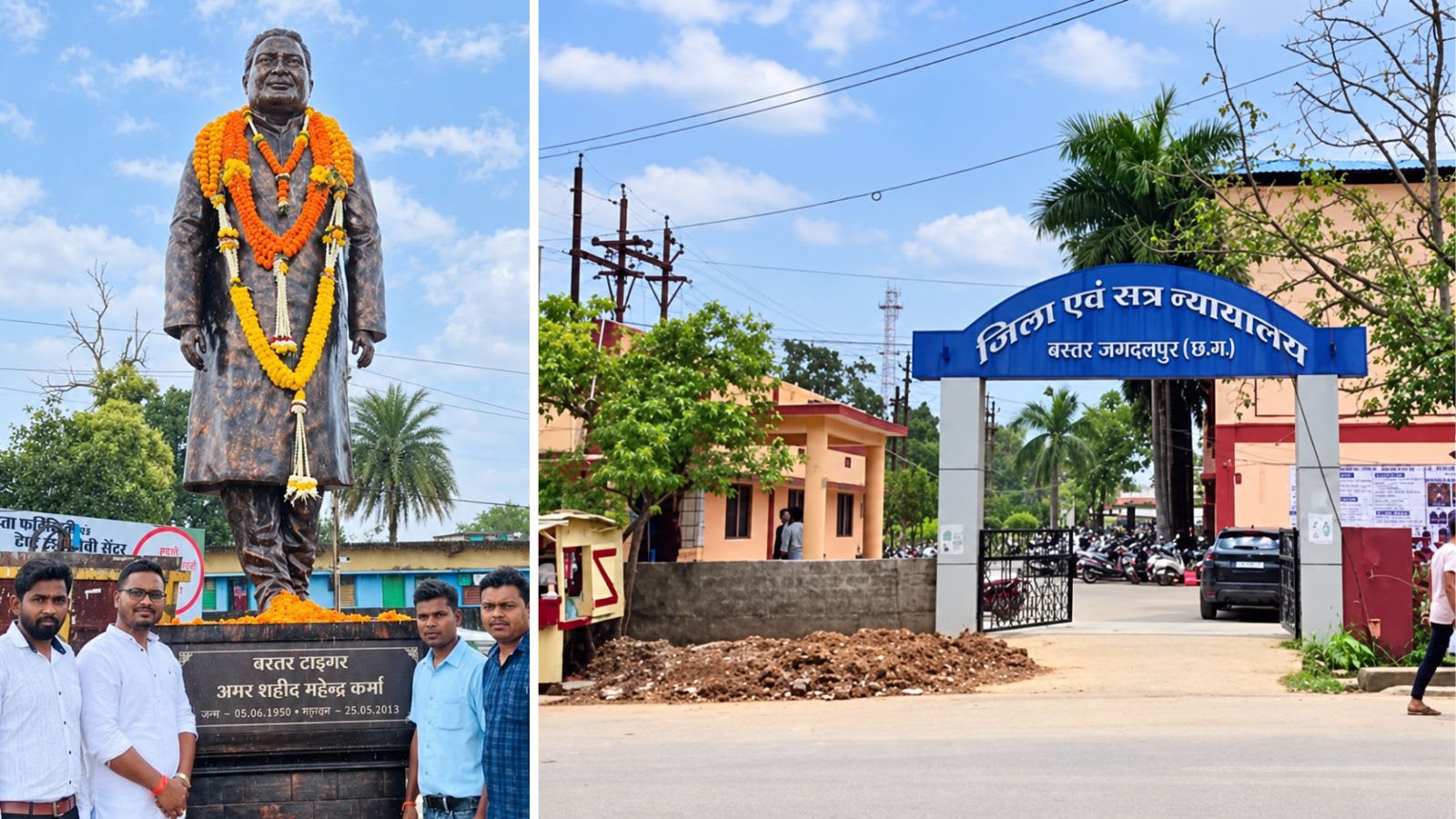
A special NIA court has sentenced 10 Maoists to death for their roles in the 2013 Jhiram Ghati massacre. The brutal ambush killed 29 people, including top Chhattisgarh Congress leaders, marking a devastating blow to the state's political landscape.
The Jhiram Ghati Verdict: A Legal Milestone in Left-Wing Extremism
More than a decade after the horrific Jhiram Ghati massacre, a special National Investigation Agency (NIA) court in Jagdalpur has handed down death sentences to 10 individuals convicted of conspiracy and murder. This verdict serves as a significant, albeit delayed, judicial response to one of the most violent episodes in India's struggle against Left-Wing Extremism (LWE). The 2013 attack was not merely an act of insurgency but a calculated strike aimed at crippling the political machinery of Chhattisgarh.
Decimating the Political Vanguard
On May 25, 2013, the landscape of Chhattisgarh politics was irrevocably altered when armed cadres of the Communist Party of India (Maoist) ambushed a Congress party convoy. The scale of the violence was unprecedented, resulting in the deaths of 29 individuals, including state Congress chief Nand Kumar Patel and Mahendra Karma, a prominent tribal leader and vocal critic of the Maoist movement. The attack effectively wiped out a large portion of the state’s political leadership, creating a power vacuum and signaling the insurgents' intent to target the democratic process directly.
The Judicial Process and NIA Intervention
The case, which involved 38 injuries in addition to the 29 fatalities, was handled by the NIA due to its national security implications. Judge Ajay Singh Rajput’s decision to award the death penalty to all 10 convicts—including two women—reflects the severity of the charges under the Indian Penal Code. The legal proceedings, spanning over 13 years, underscore the complexities of prosecuting insurgency-related crimes in regions where evidence gathering is often hindered by the remote and volatile nature of the conflict zones in Bastar.
Historical Context of the Bastar Conflict
To understand the gravity of the Jhiram Ghati attack, one must recognize the role of Mahendra Karma. As a tribal leader, his opposition to the Maoist ideology made him a primary target. His death was not an isolated incident but a strategic assassination intended to silence tribal voices that challenged the Maoists' influence in the Bastar region. The massacre remains a stark reminder of the intense friction between state governance and the insurgent groups operating within the dense forests of Central India.
Broader Implications for Future Security
While this sentencing provides a measure of closure for the families of the victims, it also highlights the ongoing challenge of addressing LWE in India. The conviction serves as a deterrent, reinforcing the state's resolve to hold perpetrators accountable for violence against democratic institutions. However, the path forward remains complex; as the state continues to combat extremism, the necessity of balancing judicial retribution with long-term socio-economic development and security integration becomes increasingly critical to preventing such tragedies in the future.