CJP launches ‘Adivasi School Thik Karo’ campaign in Maharashtra’s Gadchiroli
Source Entity
Latest News: Todays Latest News Headlines from India & World | Hindustan Times | Hindustan Times
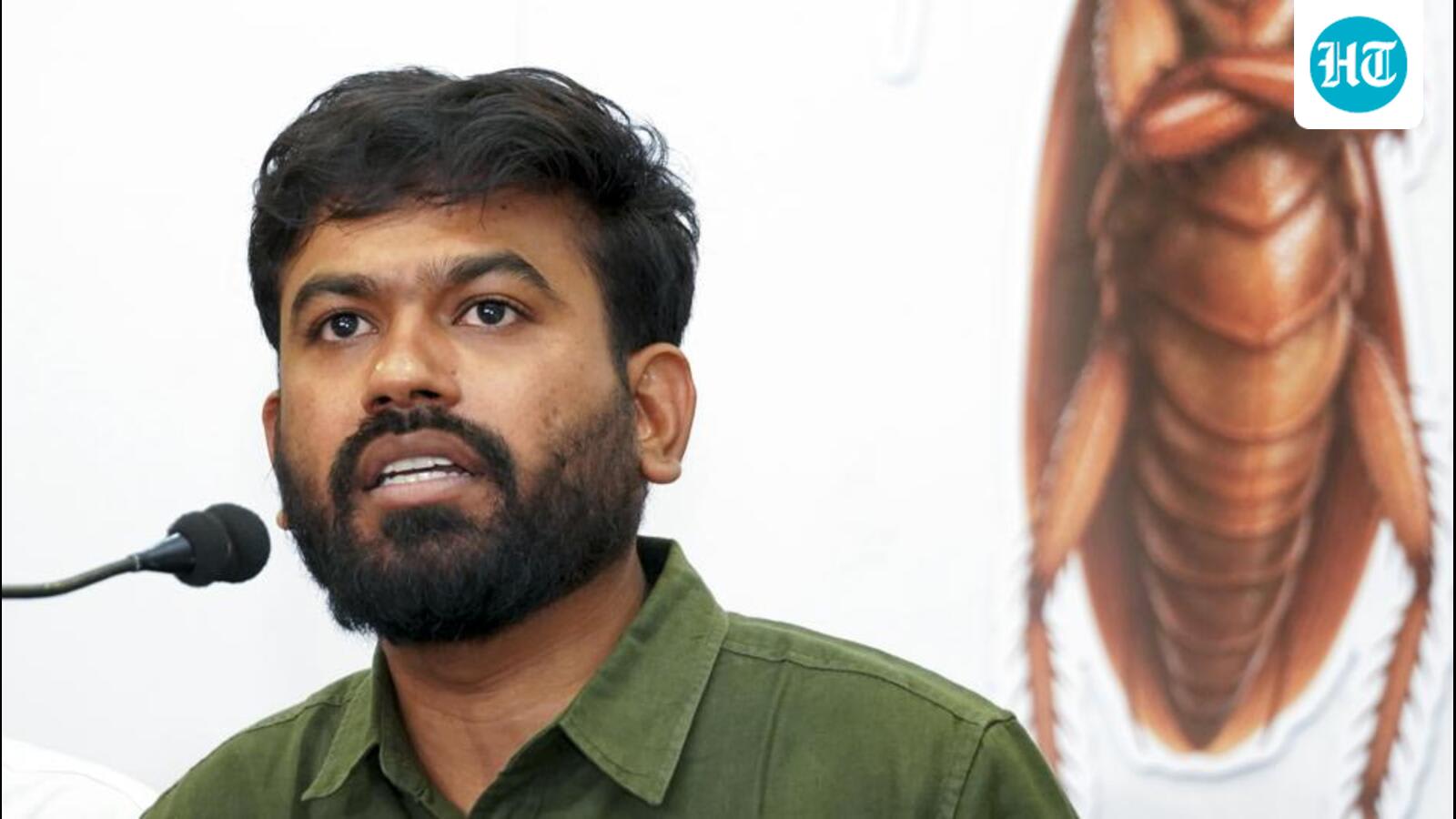
The Cockroach Janta Party (CJP), led by founder Abhijeet Dipke, is launching the 'Adivasi School Thik Karo' campaign on September 17 in Gadchiroli, Maharashtra. The initiative seeks to address systemic infrastructure neglect and safety failures in tribal schools, following the tragic death of three students due to snakebites.
Launching the 'Adivasi School Thik Karo' Campaign
The Cockroach Janta Party (CJP), under the leadership of founder Abhijeet Dipke, has officially announced the launch of the 'Adivasi School Thik Karo' (Fix Tribal Schools) campaign. Scheduled to commence on September 17 in the Gadchiroli district of Maharashtra, this initiative represents a targeted effort to expose and rectify the systemic neglect of educational infrastructure within tribal regions. By positioning the campaign launch in Gadchiroli, the CJP aims to draw national attention to the specific challenges faced by marginalized student populations in remote areas.
The Catalyst: Addressing Systemic Failure
The urgency of this campaign is underscored by a recent, tragic incident in a government-aided ashramshala in Gadchiroli, where three tribal children lost their lives due to snakebites. This event has served as a grim indicator of the broader safety and infrastructure failures within the state’s tribal education system. The CJP’s intervention follows a pattern of student-led unrest, including widespread hunger strikes across the tribal belt, which have already necessitated strong judicial intervention from the Bombay High Court.
Historical Context and Allegations of Neglect
Abhijeet Dipke has framed the 'Adivasi School Thik Karo' initiative as a necessary response to what he characterizes as eight decades of government apathy toward tribal education. By connecting this specific campaign to the broader, nationwide 'School Thik Karo' initiative launched earlier this year, the CJP is attempting to build a comprehensive narrative regarding the failure of public policy. The focus remains on the visible decay of facilities, which the group argues is a form of structural discrimination against tribal communities.
Methodology and Objectives
As part of the campaign, CJP representatives are tasked with conducting on-the-ground inspections of various tribal schools. The objective is to produce a detailed audit of existing infrastructure, student safety protocols, and general access to educational resources. By gathering empirical evidence through these visits, the CJP intends to force accountability from state authorities who have been under pressure from the judiciary to improve conditions in these facilities.
Broader Implications for Tribal Education
The ongoing legal scrutiny from the Bombay High Court, led by a division bench comprising acting chief justice Ravindra Ghuge and justice Gautam Ankhad, highlights the severity of the crisis. The CJP’s campaign is expected to act as a catalyst for public discourse, potentially compelling the government to accelerate reforms in ashramshalas and other tribal residential schools. Future trends suggest that if these infrastructure gaps remain unaddressed, the intersection of judicial oversight and grassroots political activism will likely intensify, placing further pressure on the state administration to provide immediate relief and long-term structural upgrades.
Multiple Citing Sources
Verification Required?