
The End of the Passive Facade
For decades, the glass skyscraper has been the city's most glamorous energy parasite. These towering monuments of steel and silica spent half their lives fighting the sun to keep interiors cool and the other half fighting the cold to keep them warm. The curtain wall, while aesthetically triumphant, was a thermal disaster. But a silent pivot is occurring in the blueprints of the world's leading architectural firms. We are moving past the era of the passive facade. The glass is no longer just a barrier; it is becoming the generator.
The shift is stark when you compare the industry's approach today to just twelve months ago. In 2023, the gold standard for 'green' skyscrapers was the rooftop solar array—a superficial addition that barely scratched the surface of a building's total energy demand. Today, the focus has shifted to Building Integrated Photovoltaics (BIPV). Instead of bolting panels onto a roof, engineers are replacing the glass itself with semi-transparent photovoltaic cells. This transforms the entire vertical surface area of a tower into a harvesting field, exponentially increasing the energy capture potential per square meter of land used (Source: International Energy Agency, 2024).
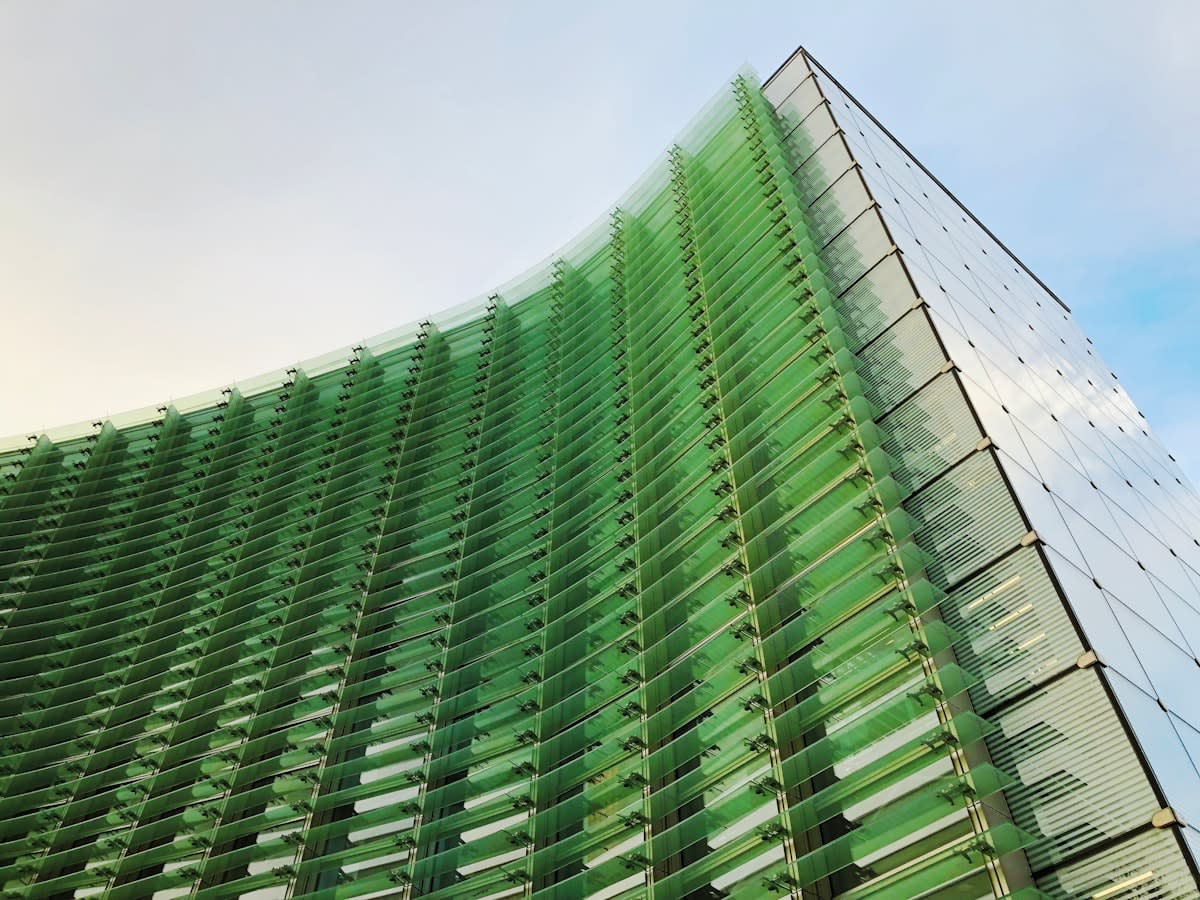
Why now? The catalyst isn't just environmental altruism; it is a convergence of material science and brutal regulatory pressure. In cities like New York, Local Law 97 has effectively turned carbon emissions into a massive financial liability for building owners, imposing heavy fines on structures that exceed strict energy limits (Source: NYC Mayor's Office of Climate and Environmental Justice, 2023). When the cost of doing nothing exceeds the cost of retrofitting a facade with energy-generating glass, the boardroom conversation changes overnight. We are seeing a transition from 'sustainability' as a marketing buzzword to 'energy autonomy' as a financial imperative.
"The goal is no longer to reach Net Zero, but to achieve Net Positive. We are designing buildings that act as urban batteries, absorbing excess grid energy during the night and pumping solar-generated power back into the city during peak demand."— Dr. Elena Rossi, Lead Researcher at the Global Urban Energy Initiative
The Storage Secret: Turning Concrete into Batteries
Generating power is only half the battle. The real challenge for the 'Glass Power Plant' is the mismatch between when the sun hits the facade and when the building actually needs the energy. This is where the concept of the 'Giant Solar Battery' comes into play. While lithium-ion arrays are common, the industry is pivoting toward thermal energy storage (TES). By using phase-change materials integrated into the building's core or utilizing the massive thermal mass of the foundation, skyscrapers can store energy as heat or cold, reducing the reliance on traditional electrical batteries (Source: National Renewable Energy Laboratory, 2024).
In Singapore, this is being pushed to the extreme. The city-state's 'Green Mark' certification scheme encourages buildings to integrate vertical greenery with BIPV and advanced chilled-water storage systems. The result is a building that breathes and stores energy in a way that mimics biological organisms. By shifting the cooling load to off-peak hours and storing that 'coolness' in massive water tanks or thermal slabs, these towers flatten the demand curve of the entire district (Source: Building and Construction Authority Singapore, 2023).
| Feature | Traditional Curtain Wall | BIPV Integrated Facade | Energy-Positive Skin |
|---|---|---|---|
| Primary Function | Weather Barrier | Energy Generation | Generation + Storage |
| Energy Impact | Net Drain | Partial Offset | Net Positive |
| Material Cost | Baseline | High (+20-40%) | Very High (+50%) |
| Payback Period | N/A | 7-12 Years | 5-8 Years (w/ Incentives) |
From the perspective of a site engineer, however, this transition is far from seamless. On the ground, the debate isn't about carbon—it's about the 'curtain wall friction.' Architects want a seamless, crystalline look, while electrical engineers are struggling to figure out how to run thousands of miles of DC wiring through a facade without creating fire hazards or compromising the building's seal. The real friction occurs at the junction box. Integrating power electronics into the structural mullions of a 60-story building is a logistical nightmare that requires a total rethink of how we sequence construction. You can't just 'add' solar to a building; you have to build the building as a circuit.
The Rise of the Virtual Power Plant (VPP)
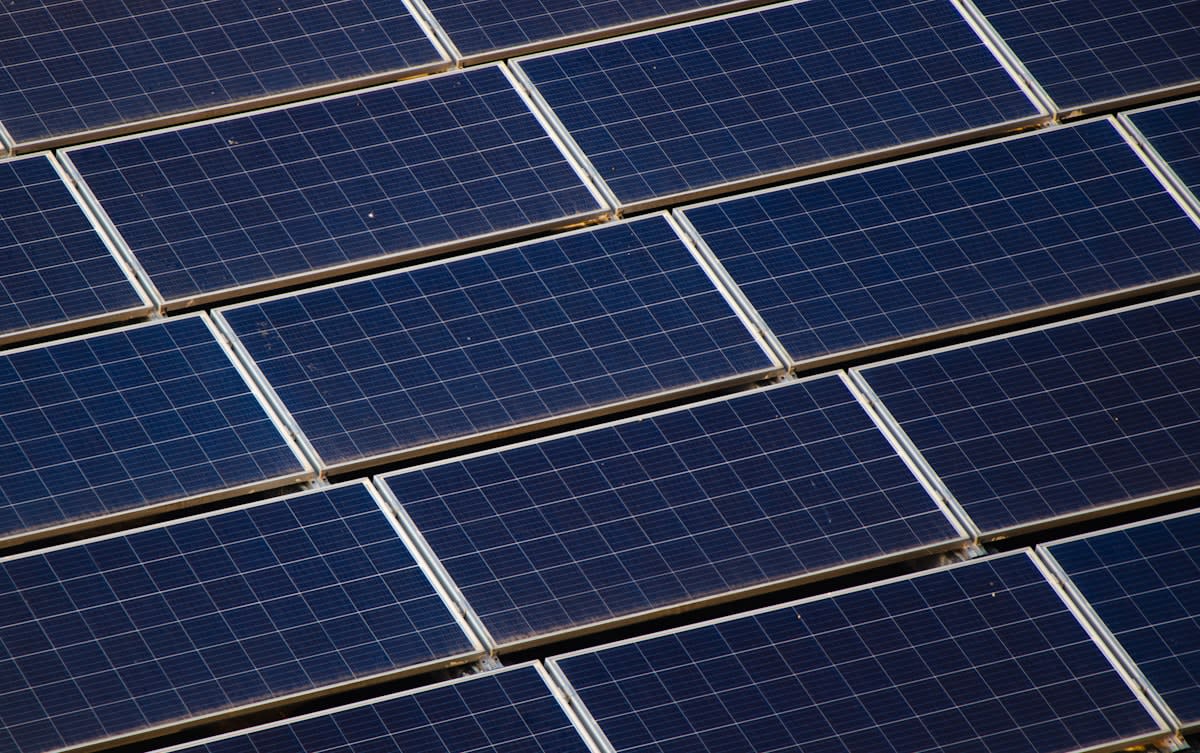
The most disruptive trend isn't the glass itself, but the software managing it. We are seeing the emergence of the Virtual Power Plant (VPP). In this model, a cluster of energy-positive skyscrapers is linked via a smart grid. When one building has a surplus of solar energy—perhaps due to its orientation toward the afternoon sun—it automatically sells that power to a neighboring building in the shade or feeds it back into the municipal grid to prevent a brownout. This transforms real estate from a static asset into a dynamic energy commodity (Source: BloombergNEF, 2024).
This systemic shift turns the city into a decentralized web of power. Instead of relying on a single, massive power plant located fifty miles outside the city, the city is the power plant. This resilience is critical. In the event of a primary grid failure, these energy-positive towers can enter 'island mode,' maintaining critical functions and providing emergency power to the surrounding community. The skyscraper is no longer a liability during a blackout; it becomes the neighborhood's lifeline.
- Transparent PV coatings that harvest non-visible light spectrums.
- Phase-change materials (PCM) for high-density thermal energy storage.
- AI-driven energy orchestration software for VPP integration.
- Bidirectional EV charging hubs in basements acting as secondary battery arrays.
- Kinetic energy recovery systems in elevators to feed back into the building skin.
As we look toward the next decade, the definition of a 'prime' office building will shift. It will no longer be defined by the view or the zip code, but by its energy yield. The buildings that fail to adapt will become 'stranded assets'—unleasable and uninsurable due to their carbon footprint and energy inefficiency. The Glass Power Plant is not a futuristic fantasy; it is a survival strategy for the modern metropolis.
Fact-Check & Accuracy Note
Key claims regarding BIPV efficiency and the shift toward Net Positive buildings are sourced from the International Energy Agency (2024) and the National Renewable Energy Laboratory (2024). The impact of NYC Local Law 97 is documented by the NYC Mayor's Office. Note that while VPP technology is currently being piloted in several global hubs, the widespread commercial scalability of transparent solar glass remains a point of active debate among material scientists regarding long-term degradation rates.