Right to protest can't justify endless occupation of a site: SC
Source Entity
DHANANJAY MAHAPATRA
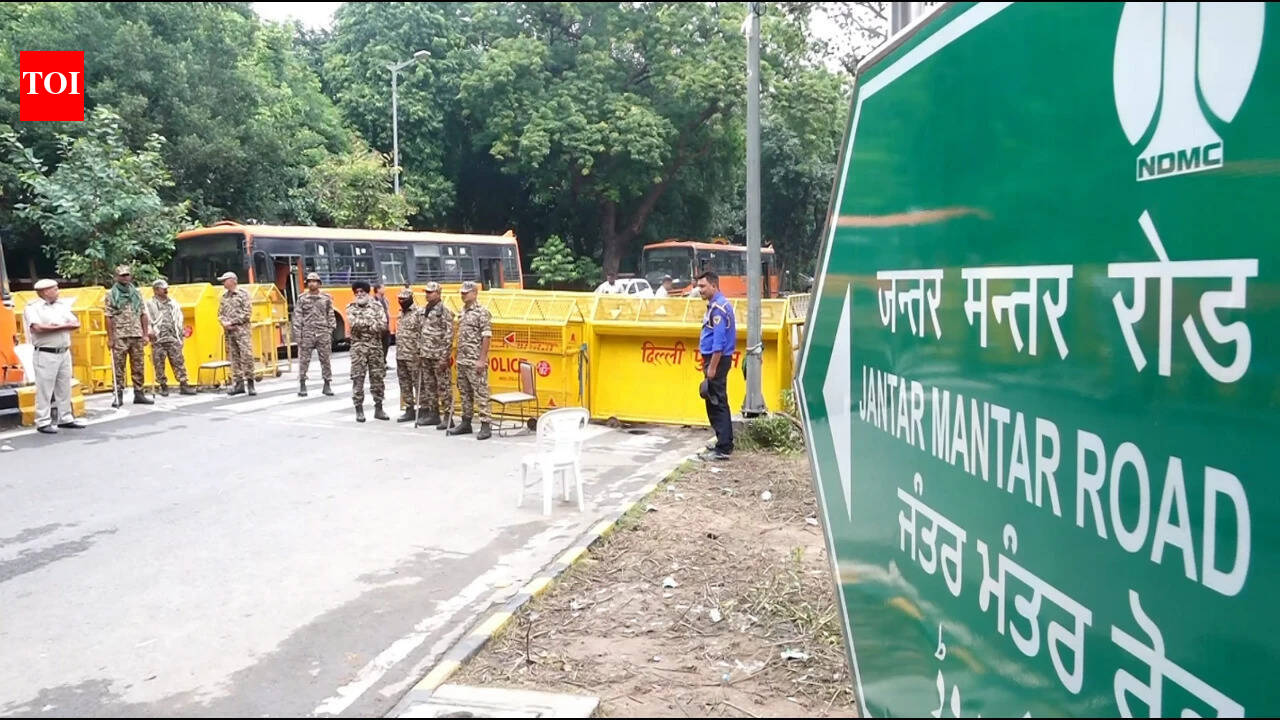
The Supreme Court of India ruled that protest sites cannot be occupied indefinitely, emphasizing the need to balance the right to dissent with the rights of traders and citizens. The bench acknowledged the economic impact on local vendors while suggesting a rotational system for designated protest venues.
The Supreme Court Balances Dissent and Livelihood in Delhi
The Legal Tug-of-War
In a significant legal development, the Supreme Court of India has addressed the growing tension between the constitutionally protected right to protest and the fundamental right to trade. A Bench led by Chief Justice of India Surya Kant emphasized that while the right to dissent is a cornerstone of Indian democracy, it cannot be exercised in a manner that permanently obstructs public life or livelihoods. The court’s intervention follows pleas from traders’ associations in Delhi, who argued that prolonged demonstrations have caused significant economic disruption to surrounding areas.
The Impact on Local Commerce
Counsel representing the traders highlighted the plight of approximately 50 lakh residents and business owners surrounding current protest sites. The argument presented to the court underscored that shops have remained shut, leading to severe financial losses. The judiciary, while firm on the limitation of occupation, expressed nuanced sympathy for the vulnerable, specifically mentioning that the right to livelihood for hawkers, push-cart vendors, and daily wagers is also a protected interest that must be weighed against the right to expression of protestors.
Defining the 'Protest Economy'
Interestingly, the Supreme Court observed the existence of a 'protest economy,' noting that demonstrations often create unique, albeit transient, business opportunities for local vendors who cater to the crowds. However, the court clarified that this phenomenon does not justify the indefinite seizure of public space. The focus remains on establishing a regulatory framework where designated venues are allocated for specific, limited durations, ensuring that the city's infrastructure remains functional for all citizens.
Regulatory Shifts in the Capital
This judicial scrutiny comes amidst a shifting landscape for public assembly in New Delhi. Following the Cockroach Janta Party’s march on July 20, the Delhi Police denotified Jantar Mantar as a protest site on October 12, shifting the focus to alternative locations such as Ramlila Maidan, Burari Ground, and CBD Ground. The current unrest, fueled by calls for the resignation of Chief Election Commissioner Gyanesh Kumar, has brought these logistical challenges to the forefront of the national discourse.
Future Implications for Public Assembly
Moving forward, the Supreme Court's mandate for a time-bound usage of protest sites signals a departure from the status quo. By pushing for a rotational system, the judiciary aims to prevent the permanent paralysis of commercial hubs like Connaught Place. This approach suggests a future where the state must proactively manage public spaces, ensuring that political expression remains vibrant without infringing upon the socio-economic stability of the capital's trading communities.
Multiple Citing Sources