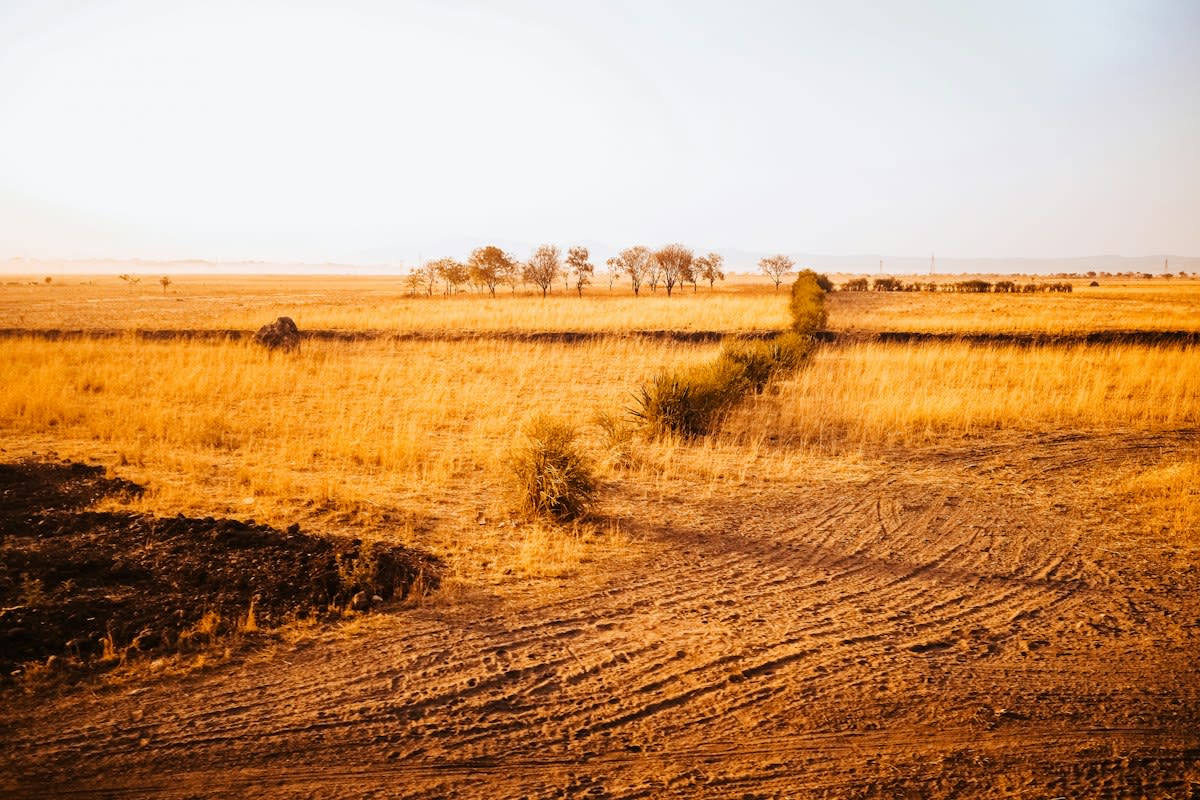
Dirt is currency. In the red soils of the Rift Valley, smallholders are discovering that the fungal glues holding their earth together are worth more than the maize they grow. Money follows the fungi. Because glomalin resists microbial decay far better than simple organic matter, investors are now paying a premium for credits backed by these glycoproteins. Stability wins the day. While traditional carbon credits often fail during droughts, glomalin-linked assets maintain their weight regardless of the weather because the protein remains inert in the soil. Markets are reacting fast.
The Protein Turn
The old way failed. For years, developers tracked total organic carbon without realizing that a significant portion of that carbon disappears the moment a farmer plows the field. Accuracy is now mandatory. By targeting glomalin specifically, new projects in Ghana are ensuring that the carbon they sell is physically bound to soil particles for decades. The math has changed. These glycoproteins create a web of stability that prevents the soil from eroding during the heavy rains of the monsoon season.
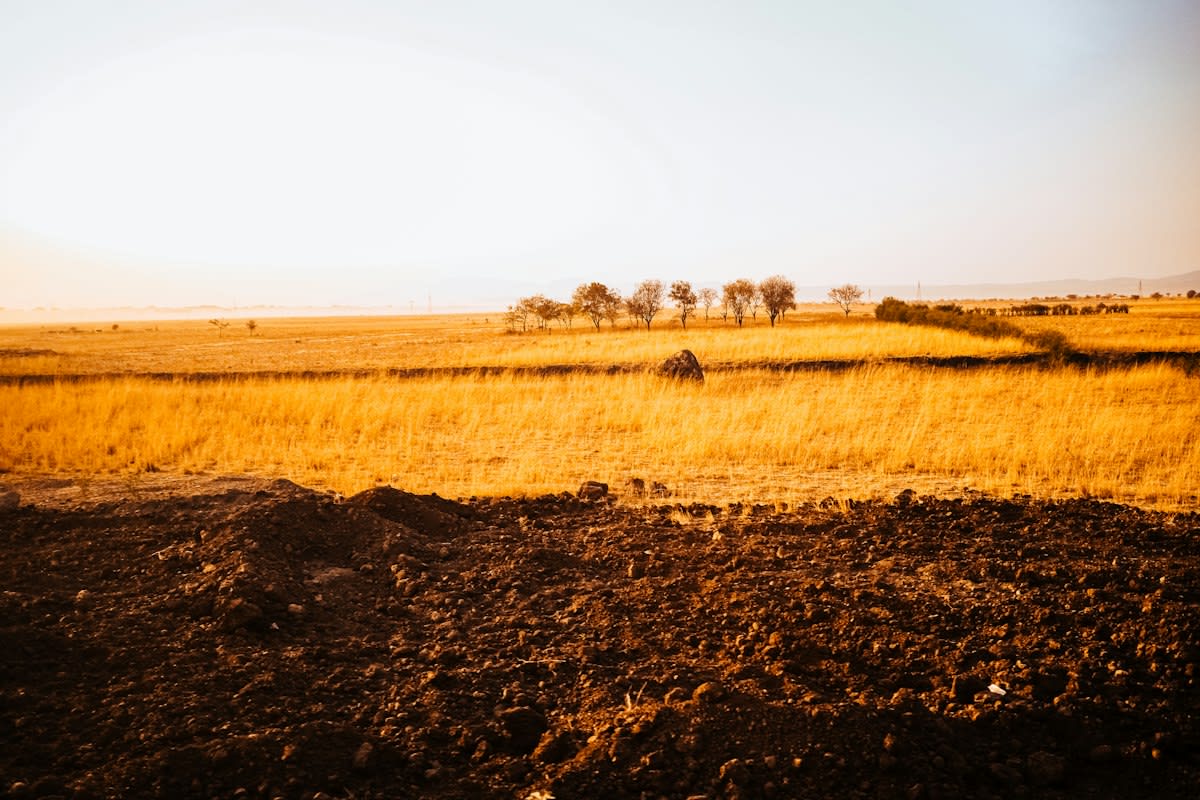
Nature is precise. Glomalin is produced by arbuscular mycorrhizal fungi, which form a symbiotic relationship with plant roots to exchange phosphorus for carbon. This is not accidental. In the degraded terrain of the Sahel, restoring these fungal networks allows farmers to capture carbon that stays in the ground for over forty years (Source: Soil Biology and Biochemistry, 2001). The delta is clear. Compared to 12 months ago, the demand for glomalin-verified credits has surged as buyers flee the volatility of generic soil carbon credits.
"The focus on glomalin represents a hard turn in how we value soil. We are moving from measuring what is present to measuring what actually stays."— Dr. Rattan Lal, Distinguished Research Professor in Soil Science
Verification is hard. Measuring glomalin requires complex laboratory assays involving citrate extraction and the Bradford protein assay, which is far more expensive than basic carbon testing. Costs are climbing. However, the price premium for these stable credits justifies the expense for large-scale institutional buyers who require long-term guarantees. The reward is high. These high-stability credits have seen a 15% price increase over the last year (Source: World Bank Carbon Pricing Report, 2024).
| Metric | Total Organic Carbon (TOC) | Glomalin-Related Soil Protein (GRSP) |
|---|---|---|
| Stability | Low to Medium | High |
| Persistence | 1-10 years | 40+ years |
| Measurement Cost | Low | High |
| Market Value | Baseline | Premium (+15-20%) |
Friction is inevitable. Inside the carbon fray, a bitter dispute has emerged between the Soil-Core camp and the Digital-Twin camp regarding how to validate these credits. The conflict is real. Core purists insist that physical samples are the only truth, while digital proponents argue that satellite-derived biomass data can estimate glomalin levels. Trust is thin. This mechanical failure of agreement has delayed several million-dollar projects in Ethiopia as auditors argue over the margin of error in remote sensing.
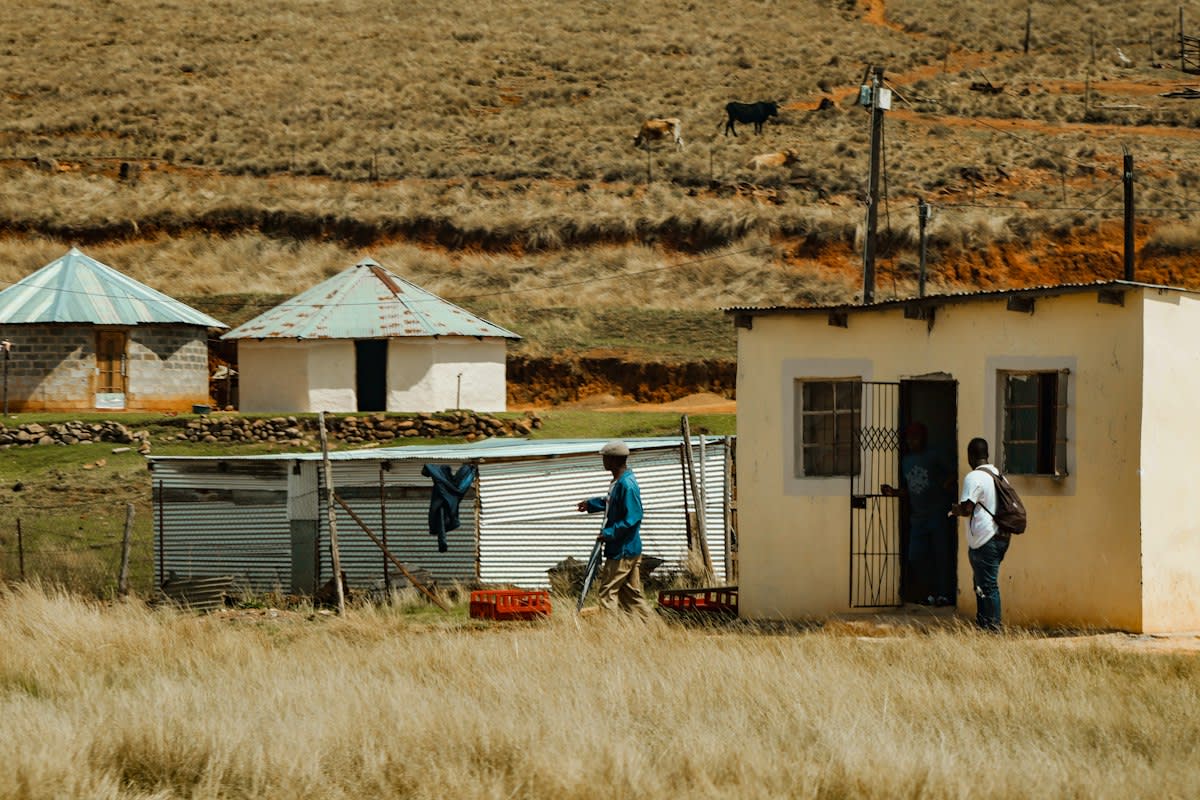
Scale is possible. With 60% of African smallholder soils currently degraded, the potential for carbon capture is immense (Source: FAO, 2022). The opportunity is vast. By introducing mycorrhizal inoculants and reducing tillage, farmers can saturate their soil with glomalin while increasing crop yields. This is a win. The protein not only stores carbon but also improves water infiltration, which protects crops during the erratic dry seasons of East Africa.
Fact-Check & Accuracy Note
The primary academic debate centers on the 'stability' of glomalin. While generally considered long-lived, some researchers argue that glomalin degradation rates vary wildly depending on soil pH and temperature, meaning a credit in Kenya might not have the same staying power as one in Ghana.
Money is moving. European hedge funds are now diverting capital from forest-based offsets to these soil-protein projects. The logic is simple. Trees can burn or be logged, but glomalin is buried and invisible to the elements. Risk is lower. This migration of capital is creating a new asset class where soil health is traded as a financial instrument. The trend is accelerating.
Growth in Glomalin-Specific Credit Demand (2023-2024)
Executive Insight
+18.4%
YTD Growth
Farmers are winning. In rural Zambia, the transition to fungal-based sequestration has provided a secondary income stream that exceeds the value of their corn harvests. The impact is immediate. This cash flow allows for the purchase of better seeds and solar irrigation, creating a positive loop of productivity. It works well. The focus on glomalin turns the soil from a depleting resource into a permanent bank account.
Editorial Note
Editorial Note: This report focuses on the transition from TOC to GRSP. While the financial incentives are strong, the long-term ecological impact of mass mycorrhizal inoculation is still under study by regional agricultural boards.
The race is on. As more nations commit to Net Zero, the search for permanent sequestration will lead deeper into the soil. Glomalin is key. The ability to quantify a protein that lasts for decades provides the certainty that the carbon market has lacked since its inception. The future is fungal. Africa is not just a site for these projects, but the primary laboratory for the next generation of environmental finance.