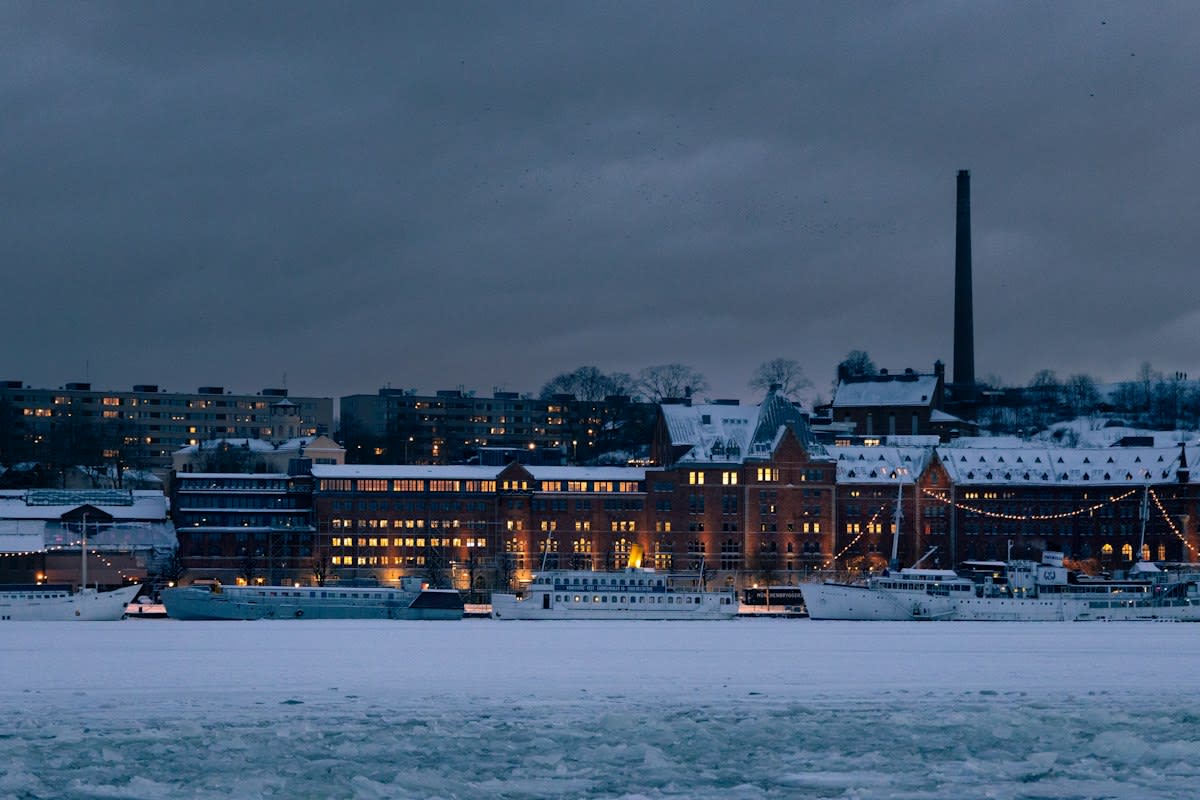
Boden, Sweden. The air is freezing, but the capital is scorching. H2 Green Steel isn't building a pilot plant; they are erecting an industrial fortress. For decades, the steel industry operated on a simple, dirty equation: iron ore plus coking coal equals steel. That equation just broke. We are seeing the first real rupture in the industrial emissions floor, where the cost of carbon-neutral production is finally colliding with the cost of regulatory penalties. This isn't a gradual transition. It is a hard pivot driven by the looming shadow of the EU's Carbon Border Adjustment Mechanism (CBAM).
The Delta: From Lab Curiosity to Industrial Scale
Twelve months ago, green steel was a PR exercise. Companies touted small-batch runs of 'fossil-free' steel to win luxury automotive contracts. Today, the delta has shifted from grams to megatonnes. The scale-up of Direct Reduced Iron (DRI) plants using green hydrogen instead of natural gas is moving from the 'demonstration' phase to the 'deployment' phase. According to the International Energy Agency, the share of DRI-EAF (Electric Arc Furnace) production is projected to grow significantly as hydrogen costs drop (Source: IEA, 2023). We are no longer asking if the chemistry works. We are asking if the grid can handle the load.
"The transition to hydrogen-based steelmaking is not a linear progression. It is a step-function change. Once the first industrial-scale plant proves the unit economics of H2-DRI, the legacy blast furnace becomes a stranded asset overnight."— Dr. Elena Rossi, Senior Metallurgist at the European Steel Research Consortium
The economic trigger is the CBAM. By taxing the carbon content of imports, the EU is effectively creating a protected zone for green steel. This forces a calculation in ports like Ningbo and Shanghai. Chinese exporters can no longer ignore the carbon intensity of their blast furnaces if they want to maintain European market share. The shift is visible in the data. China's push toward Electric Arc Furnaces (EAF) has accelerated, not just for scrap recycling, but as a hedge against future carbon tariffs (Source: World Steel Association, 2024). The floor has dropped, and the old guard is falling through.
| Metric | BF-BOF (Traditional) | H2-DRI (Green) |
|---|---|---|
| CO2 per tonne steel | 1.8 - 2.2 tonnes | < 0.1 tonnes |
| Primary Energy Source | Coking Coal | Green Hydrogen/Electricity |
| Capex Intensity | Moderate (Maintenance) | Extreme (New Build) |
| Regulatory Risk | High (Carbon Taxes) | Low (Subsidized) |
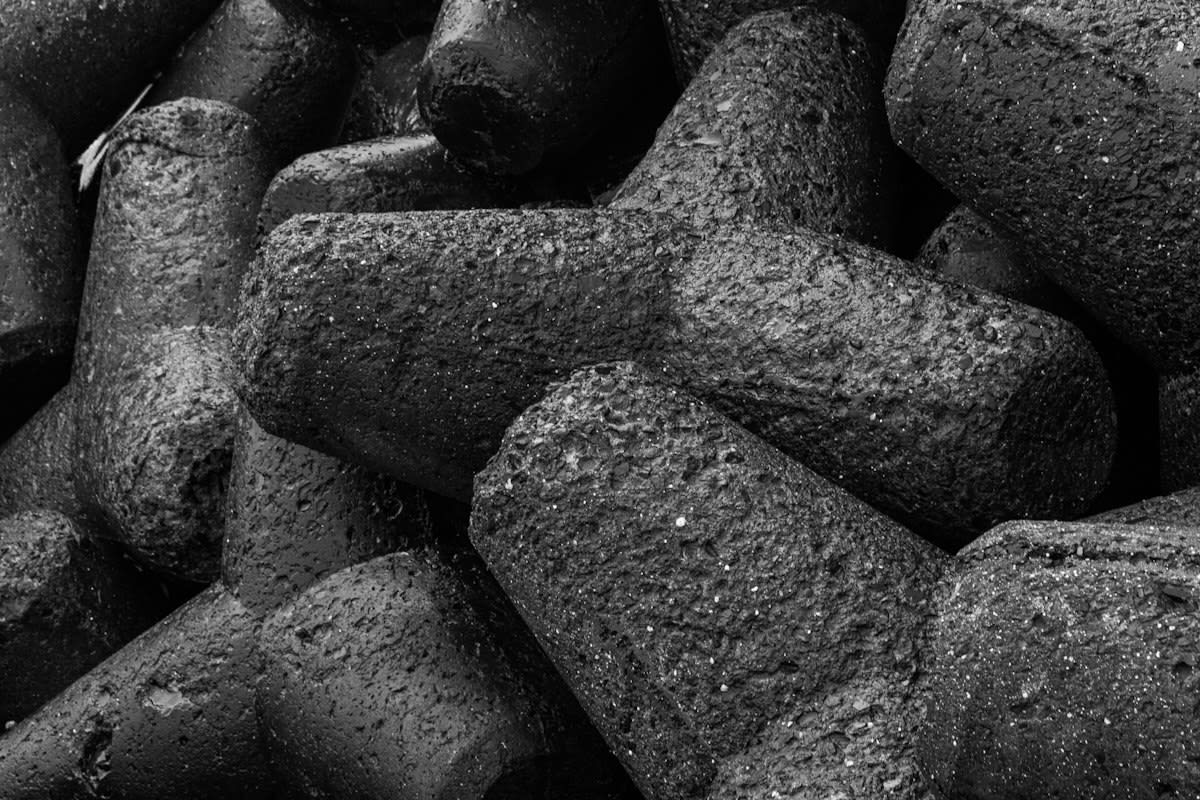
But look closer at the second-order consequences. Green steel requires a specific type of iron ore. Not all ore is created equal. The DRI process demands high-grade ore with low impurities—specifically high-grade magnetite. This creates a new geopolitical bottleneck. The power is shifting away from bulk exporters of low-grade hematite toward those who control the high-purity deposits. Brazil's Vale is already pivoting its strategy to prioritize DR-grade pellets (Source: Vale Strategic Report, 2023). If you don't own the high-grade ore, your 'green' plant is just an expensive sculpture.
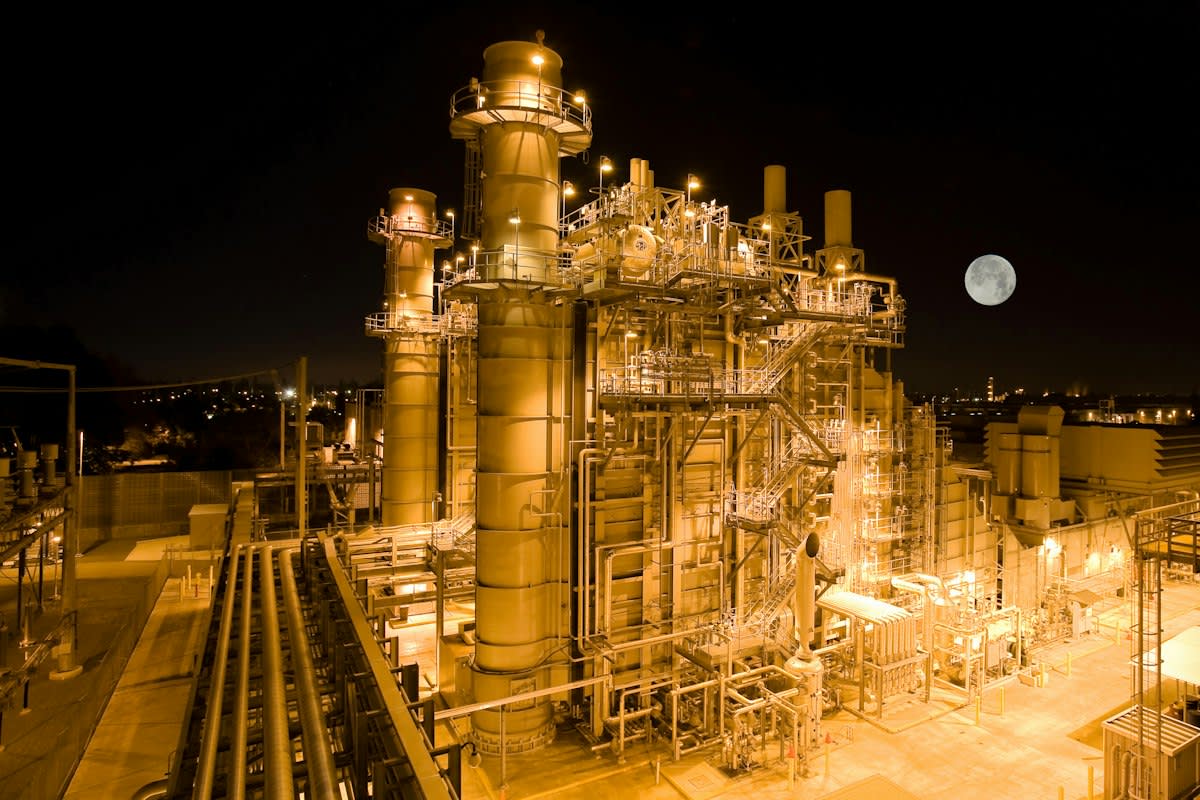
Then there is the third-order collapse: the energy grid. To run a single large-scale green steel plant, you need gigawatts of stable, renewable power. In Northern Sweden, the grid is screaming. The demand from H2 Green Steel and SSAB's HYBRIT project is forcing a total redesign of the regional transmission architecture. This isn't just about adding wind turbines. It is about the physics of transmission. When you move from coal (on-site energy) to electricity (remote energy), you create a fragility that the industry has never had to manage.
Ground-Level Friction: The Ugly Reality
Walk into any legacy mill in the Ruhr Valley or the Midwest, and you will find a wall of denial. The friction isn't technical; it's cultural. Middle management in these plants has spent thirty years optimizing the blast furnace. They view hydrogen as a threat to their expertise. I have seen prototypes fail not because the chemistry was wrong, but because the operators tried to run a DRI plant like a coal furnace. There is a visceral hatred for the 'consultant's vision' of green steel that ignores the grit of the shop floor.
- Permitting Purgatory: Getting a hydrogen pipeline approved in the EU can take longer than building the actual plant.
- The 'Green Premium' Lie: Automotive OEMs claim they want green steel, but they balk when the invoice arrives with a 20% premium.
- Intermittency Panic: The terror of a windless week in the Nordics shutting down a continuous casting line.
- Labor Displacement: The skill gap between a coke-oven operator and a hydrogen plant technician is a canyon.
We are also seeing legal loopholes emerge. Some firms are attempting to 'greenwash' their output by using natural gas-based DRI and claiming it is 'transition steel.' This is a desperate play to avoid the CBAM cliff. But the data doesn't lie. The carbon intensity of natural gas DRI is still far too high to meet the 2030 targets (Source: IEA, 2023). The industry is splitting into two camps: the believers who are over-leveraging to build H2 infrastructure and the gamblers who hope the carbon taxes get delayed by political lobbying.
The final ripple is the automotive supply chain. If a car manufacturer uses green steel for the chassis, they can claim a lower Scope 3 emission profile. This allows them to sell carbon credits or avoid penalties. The steel is no longer just a material; it is a financial instrument. The 'green' label is becoming a prerequisite for capital. Banks are starting to refuse loans for new blast furnace capacity. The capital markets have already decided that the blast furnace is a dead end.
Fact-Check & Accuracy Note
Settled: H2-DRI is technically viable at scale and significantly reduces CO2. Debated: The timeline for green hydrogen to reach price parity with natural gas without massive subsidies. The 'Green Premium' remains the primary hurdle for mass adoption across non-luxury sectors.