Self-sufficient BCCI pays around ₹3000 crore income tax annually
Source Entity
Latest News: Todays Latest News Headlines from India & World | Hindustan Times | Hindustan Times
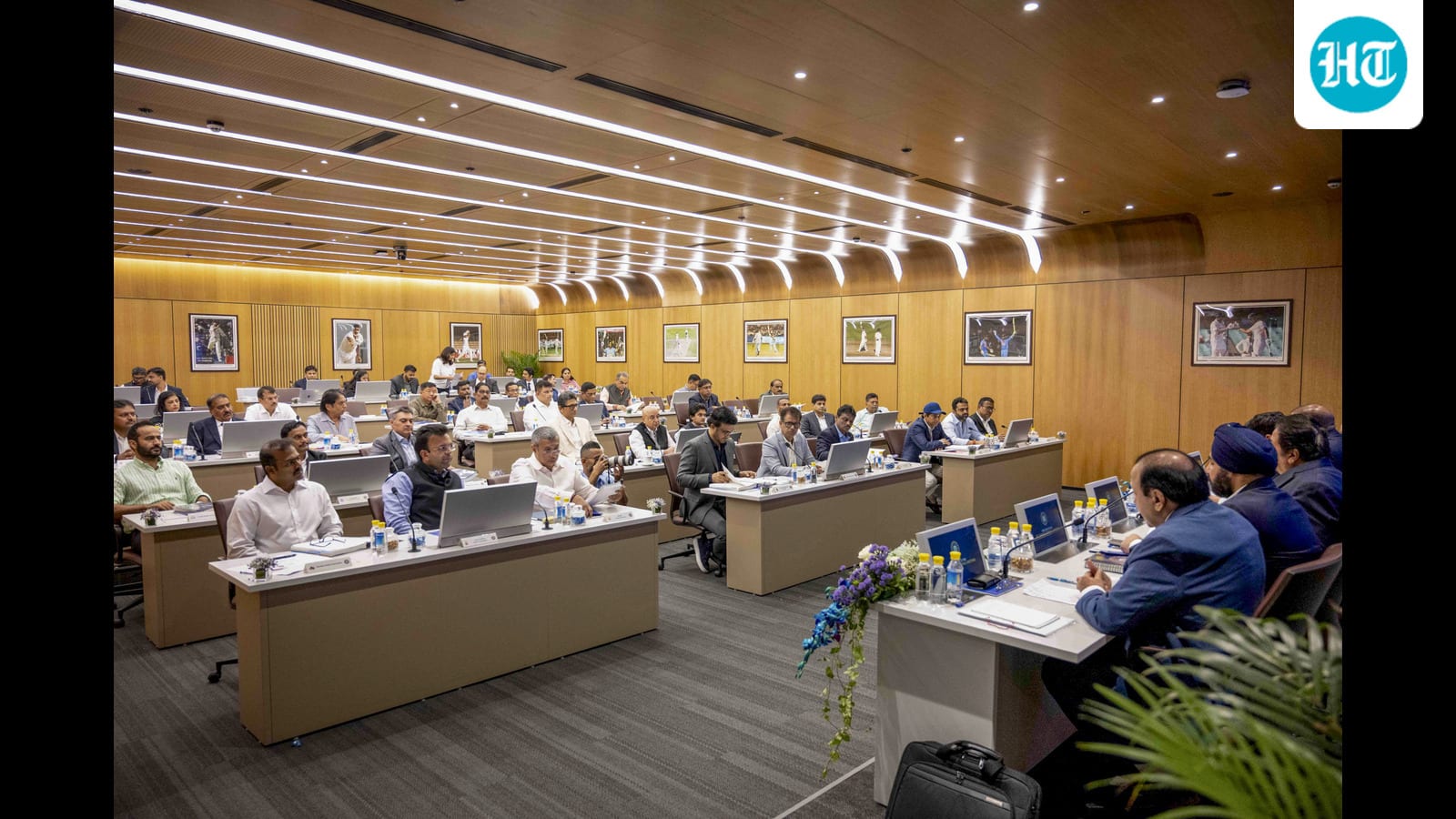
The BCCI has informed its state units that they are not yet subject to the National Sports Governance Act. Consequently, state associations will continue to follow their existing constitutional frameworks for elections.
BCCI Clarifies Position on National Sports Governance Act
Current Regulatory Status
The Board of Control for Cricket in India (BCCI) has formally communicated to its state units regarding the implementation of the National Sports Governance Act. According to the board, the governing body has not yet received official notification designating it as a sport under the ambit of this specific legislation. This clarity is crucial, as it defines the immediate legal and administrative requirements for the board and its constituents.
Continuity in Administrative Procedures
Because the BCCI has not been brought under the purview of the Sports Act at this time, state units are permitted to maintain their current operational procedures. Specifically, this applies to the conduct of elections, which will continue to be governed by the state associations' existing constitutions rather than new federal mandates. This ensures a level of administrative continuity for the board, which recently concluded its 95th Annual General Meeting in Mumbai.
Financial Contributions and Self-Sufficiency
The BCCI maintains a robust financial profile, underscored by its role as a self-sufficient entity. The board reportedly contributes approximately ₹3000 crore in income tax annually to the national exchequer. This significant financial footprint highlights the board's scale and its importance to the national economy, reinforcing its status as one of the most financially stable sports organizations globally.
Implications for Governance
The statement from BCCI secretary Devajit Saikia emphasizes that while the board is aware of the legislative landscape, procedural requirements must be met by the concerned authorities before the Act can be applied. By clarifying this, the BCCI aims to provide certainty to its state units, ensuring that elections and internal governance remain uninterrupted during the transitionary period of legislative implementation.
Future Outlook and Regulatory Alignment
Looking ahead, the BCCI’s approach remains one of adherence to current legal frameworks while awaiting official directives. As the organization continues to manage its massive operations, the eventual integration into the National Sports Governance Act will likely trigger a review of internal constitutions across all state units. For now, however, the status quo remains the standard, allowing the board to focus on its domestic and international cricketing commitments.
Verification Required?