Review: Chapal Rani, the Last Queen of Bengal by Sandip Roy
Source Entity
Latest News: Todays Latest News Headlines from India & World | Hindustan Times | Hindustan Times
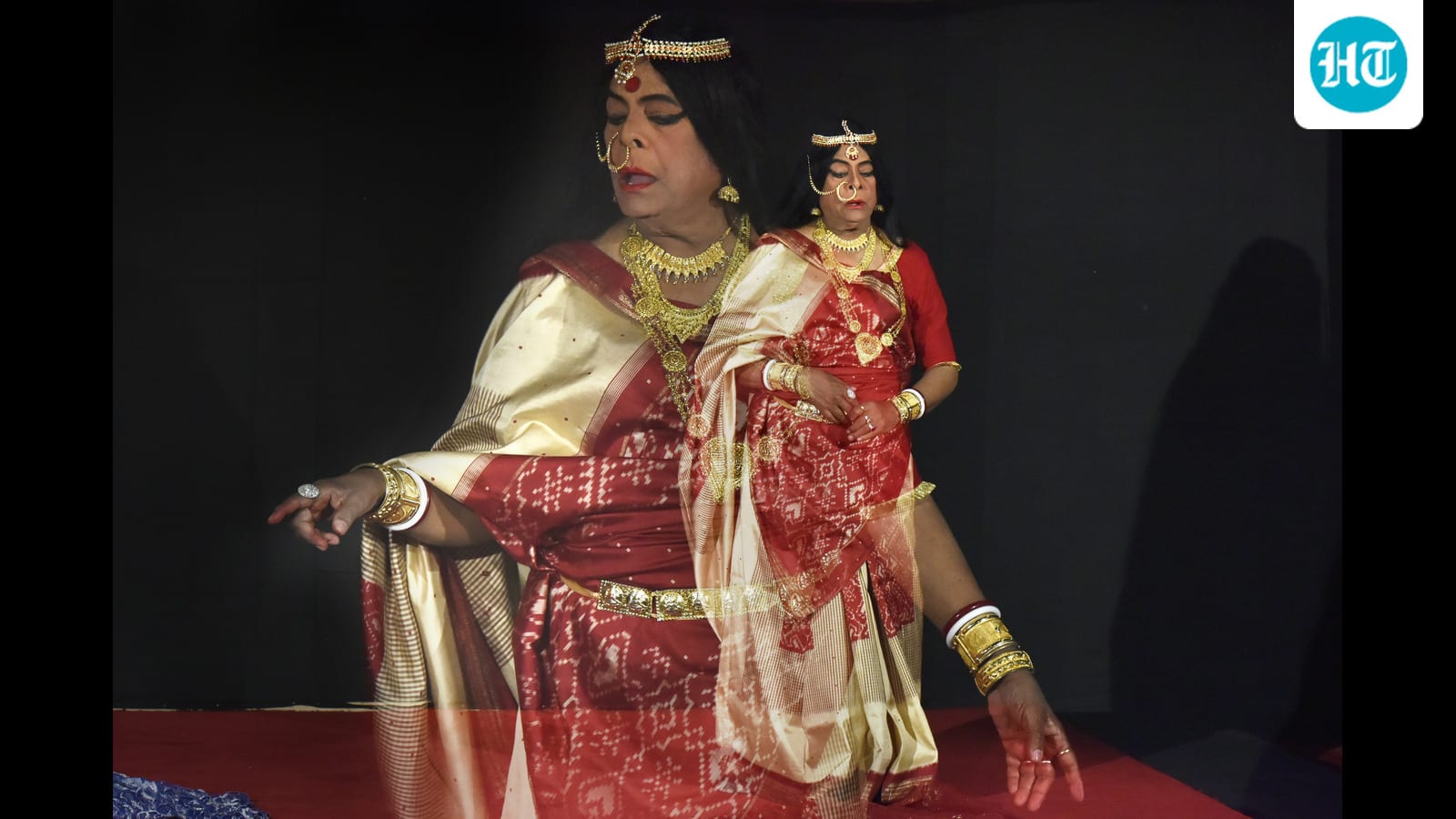
Sandip Roy's biography, 'Chapal Rani, the Last Queen of Bengal,' chronicles the life of legendary female impersonator Chapal Badhuri. The book explores the intersection of traditional Bengali jatra, gender identity, and the performer's unique place in queer history.
The Legacy of the Last Queen of Bengal
Sandip Roy’s biography, Chapal Rani, the Last Queen of Bengal: The Life and Times of a Female Impersonator, serves as both a poignant portrait of a singular artist and a vital archival document of the Bengali jatra tradition. By chronicling the life of Chapal Badhuri, an iconic figure in folk theatre, Roy captures the twilight of an era where male actors dominated the portrayal of female roles, long before the industry saw a shift in gender dynamics on the professional stage.
The Art of Female Impersonation
At the heart of the narrative is the craft of the jatra performer. In the 20th century, jatra was a vibrant, traveling folk theatre form that relied heavily on the skill of men who could embody femininity with such precision that they became household names. Chapal Badhuri, known as 'Chapal Rani,' was the zenith of this tradition. Roy’s work explores how these performers navigated a strictly gendered performance space, transforming themselves into icons of beauty and tragedy while existing in a society that often marginalized their personal lives.
Challenging Modern Queer Theory
One of the most provocative aspects of the book is its confrontation with contemporary academic frameworks. Through the interlude titled 'The Drag Queen,' Roy invites the reader to consider where Badhuri fits into modern queer theory. The narrator poses a challenging question: how does a traditional performer who identifies outside of modern Western 'drag' labels reconcile his life with today’s rigorous discourse on identity, gender, and sexuality? This highlights a disconnect between the lived experience of traditional Indian performers and the analytical lenses often applied to them by outsiders.
The Personal and the Public
Roy delves into the intimate life of Badhuri, specifically addressing his long-term relationship with a married man. The candid exchange presented in the book—where Badhuri admits to his inability to provide children while asserting his capacity to satisfy his partner in every other way—strips away the artifice of the stage. This vulnerability provides a humanizing look at a man who spent his professional life playing women, yet lived a complex, distinctly male existence in his private sphere.
Historical and Cultural Significance
Beyond the personal biography, Chapal Rani acts as a historical overview of 20th-century Bengali folk theatre. By documenting Badhuri’s career, Roy preserves the nuances of a dying art form. The book forces a re-evaluation of how we categorize performance and gender, suggesting that the rigid boxes of 'queer theory' may fail to account for the fluid, traditional roles occupied by artists like Badhuri. It is a necessary contribution to the study of Indian performance history.
A Final Reflection
Ultimately, Sandip Roy’s biography is more than just a life story; it is a meditation on the intersection of tradition and identity. As the last of his kind, Chapal Badhuri represents a bridge to a bygone era of Bengali culture. Through meticulous storytelling, Roy ensures that the legacy of the 'Queen of Bengal' remains documented, challenging future generations to look beyond surface-level labels and understand the profound complexity of the human spirit within the context of folk performance.
Verification Required?