
The off-grid dream is a fiction. While venture capitalists hawk the promise of decentralized micro-grids, the sheer energy appetite of generative AI and industrial electrification forces a return to massive, centralized power hubs. We are doubling down on the wire. Why do we pretend that a few rooftop panels grant autonomy? The weight of modern compute requires a scale that no residential battery can sustain (Source: IEA, 2023).
Power is hungry. Large-scale language models demand a constant, high-voltage feed that renders small-scale storage irrelevant for industrial players. The grid wins again. Engineers in Malaysia now scramble to upgrade substation capacity to accommodate a flood of new data centers (Source: MIDA, 2024). These facilities do not want a tiny solar array; they want a direct, unbreakable bond to the national transmission web.
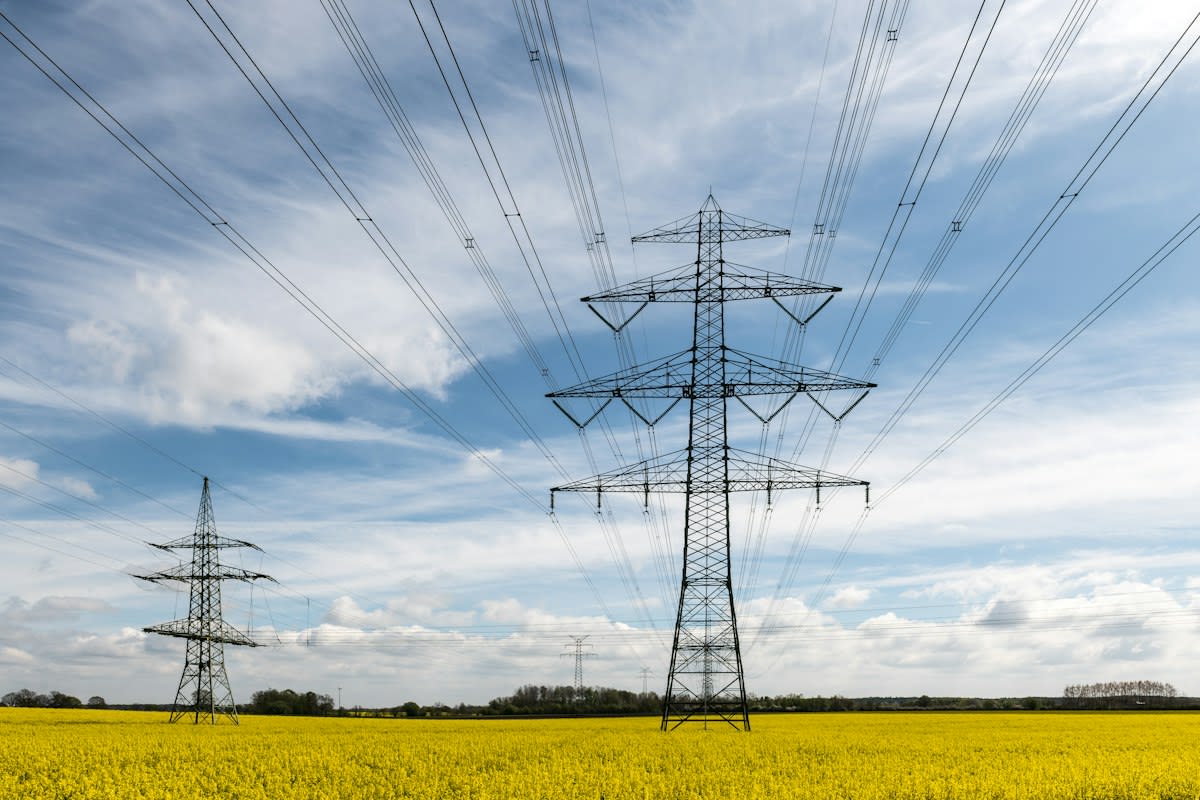
The Compute Burden
Compute needs scale. The transition from traditional search to generative AI increases the energy cost per query by nearly ten times, making local generation a rounding error (Source: International Energy Agency, 2024). The math is brutal. Operators cannot rely on the wind or the sun when a million GPUs require an identical, unwavering current every single second.
Voltage is everything. In Vietnam, the rapid rollout of rooftop solar created a chaotic imbalance that forced the government to curtail power from thousands of small producers (Source: Vietnam Energy Partnership, 2023). The system simply could not breathe. Centralized control is the only way to stop the web from collapsing under the weight of unpredictable, distributed inputs.
"The narrative of decentralization ignores the physics of stability. You cannot run a global AI economy on a patchwork of batteries and hope for the best; you need the massive rotating mass of centralized turbines to keep the frequency stable."— Fatih Birol, Executive Director at International Energy Agency
The Interconnection War
Queues are growing. In the United States and India, developers wait years for a simple connection agreement because the physical transformers cannot handle the new load. This creates a war between the transmission operators and the local utilities. They argue over who pays for the copper.
Fray occurs here. Inside the industry, a bitter dispute rages over the cost of the last mile, where distribution system operators claim they cannot absorb the surge of EV chargers without a total overhaul of the local terrain. This is not a software bug. It is a mechanical failure of 50-year-old hardware meeting 21st-century demand.
| Region | Current Load (GW) | Projected 2030 Load (GW) | Primary Driver |
|---|---|---|---|
| Southeast Asia | 800 | 1200 | AI Data Centers |
| India | 1500 | 2200 | Industrialization |
| Brazil | 600 | 850 | Electrification |
Globalized Grids
Borders are blurring. India leads the One Sun, One World, One Grid (OSOWOG) initiative to create a global interconnected web that shares solar power across time zones (Source: Ministry of Power, India, 2023). This is a hard turn. Instead of every village becoming an island, the goal is to plug every village into a continental super-grid.
Scale solves stability. By linking the sun-drenched plains of Rajasthan to the industrial hubs of Southeast Asia, engineers can balance load across thousands of miles. The local battery is a toy. The continental grid is the only tool capable of absorbing the shock of a total energy transition.
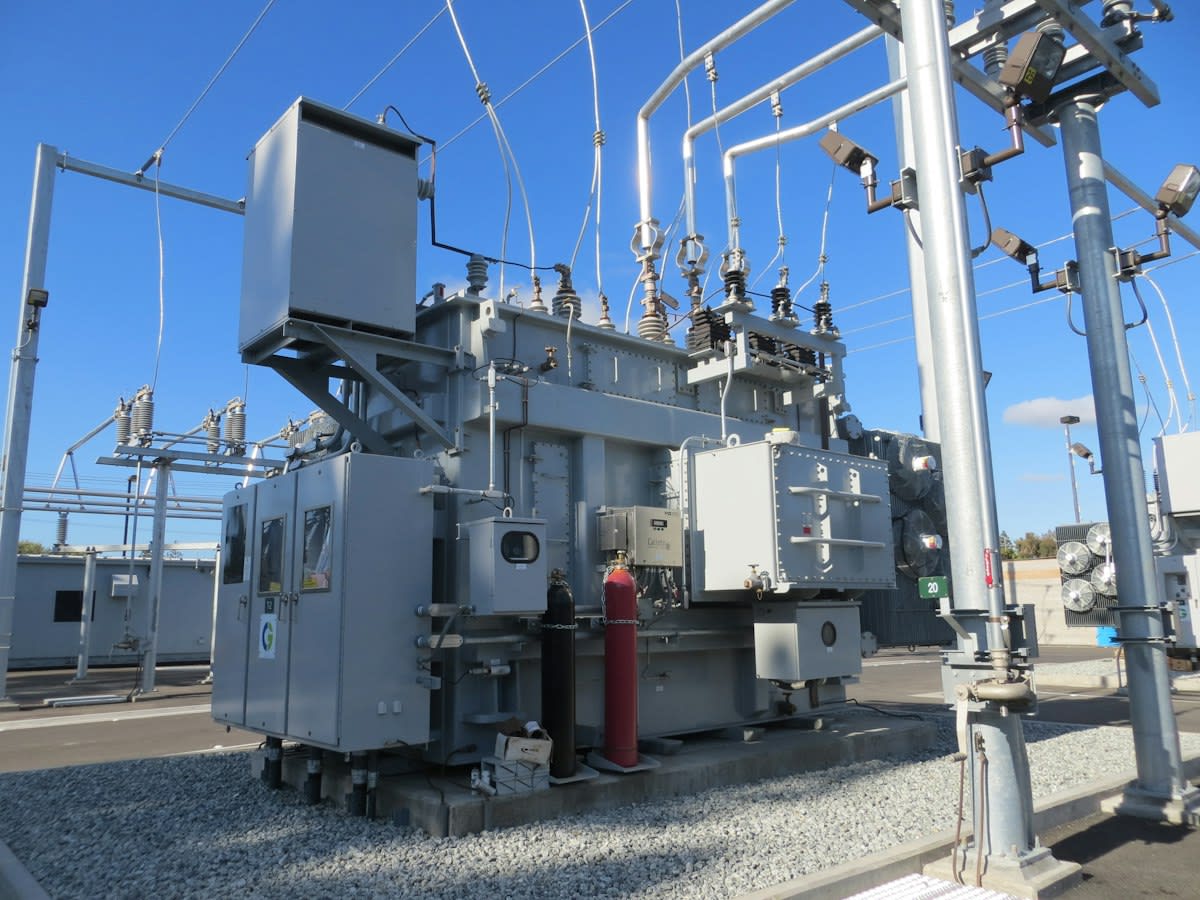
Costs are soaring. The investment required to modernize these webs exceeds trillions of dollars, yet the alternative is a total stagnation of economic growth (Source: IRENA, 2023). Who pays the bill? Governments now treat grid capacity as a matter of national security rather than a simple utility service.
Fact-Check & Accuracy Note
This analysis relies on data from the IEA World Energy Outlook 2023 and IRENA's 2023 reports. A key academic debate persists regarding the efficiency of High-Voltage Direct Current (HVDC) lines versus localized micro-grids for rural electrification in Sub-Saharan Africa, though current trends favor the former for industrial scaling.
Editorial Note
This piece adopts a contrarian stance against the 'decentralization' narrative common in ESG reports. The focus is on the physical reality of load requirements rather than the ideological preference for distributed energy.