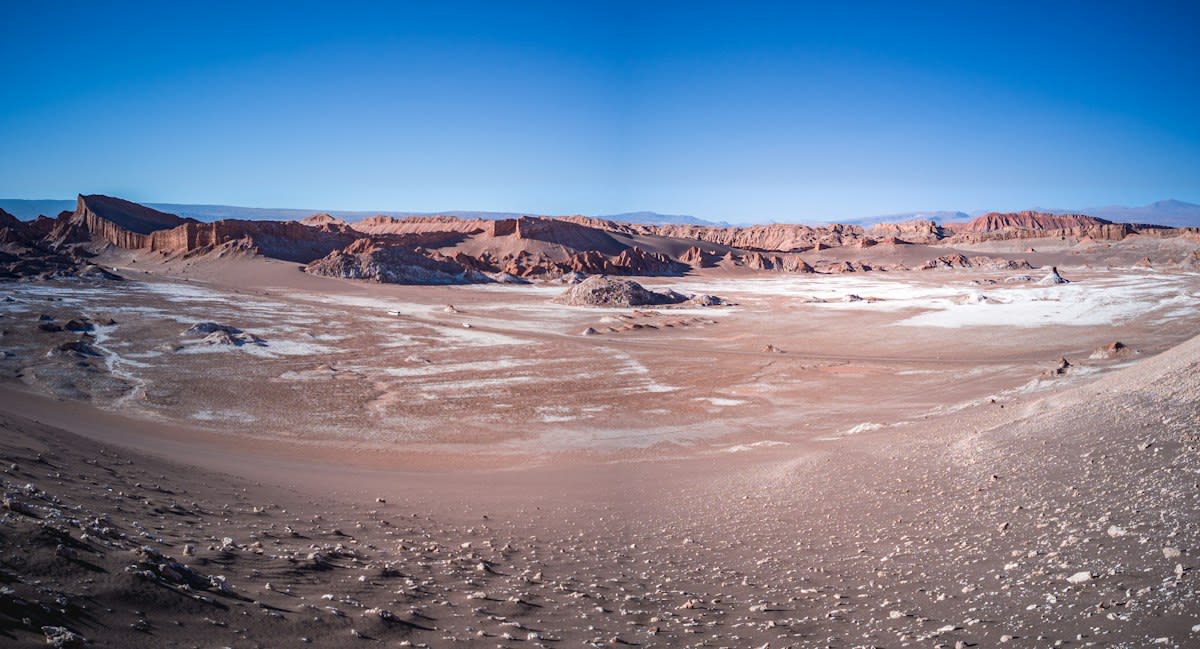
Stop looking at the solar panels. The real story isn't the generation; it's the transport. You can generate all the green hydrogen you want in the Atacama or the Tabuk province, but moving it to a freezing boiler in Hamburg or Oslo is where the math falls apart. Industry whispers suggest the energy penalty for converting hydrogen to ammonia for shipping, and then back again, eats a staggering portion of the initial gain. We are talking about a systemic energy tax that the marketing departments simply omit from the slide decks.
The play is simple: leverage the highest solar irradiance on the planet to drive electrolysis. The NEOM project in Saudi Arabia aims to produce 600 tonnes of green hydrogen per day (Source: NEOM Green Hydrogen Company, 2023). It looks great on a map. But the boardroom secret is the dependency on massive desalination plants. You cannot make hydrogen without ultra-pure water. In a desert, that means burning energy to strip salt from the sea before you even start the electrolysis process. It is a circular energy drain that keeps the Levelized Cost of Hydrogen (LCOH) stubbornly high.

The Ammonia Shell Game
Liquid hydrogen is a nightmare. It requires cooling to -253 degrees Celsius. The boil-off rates during long-haul shipping from Chile to Rotterdam make it a logistical suicide mission. The industry's solution? Ammonia (NH3). It's easier to liquefy and we already have the tankers. But here is the catch: you have to add nitrogen, ship the ammonia, and then crack it back into hydrogen at the destination. This cracking process is energy-intensive and inefficient. The 'green' label starts to blur when you realize the destination city is spending a significant percentage of that energy just to undo the transport packaging.
"The technical challenge isn't the electrolysis; it's the molecular logistics. We are essentially trying to build a global plumbing system for a gas that wants to leak through solid steel."— Dr. Aris Papadopoulos, Senior Energy Analyst at the International Energy Agency (IEA)
Look at the Maghreb region. Morocco is positioning itself as the gateway to Europe, utilizing the Ouarzazate solar complex (Source: MASEN, 2022). The plan is to pipe hydrogen directly into the existing gas networks of Spain. This sounds efficient until you account for hydrogen embrittlement. Hydrogen atoms are small. They migrate into the crystal lattice of existing steel pipelines, making them brittle and prone to catastrophic failure. The 'repurposing' of old gas lines is a gamble that few engineers are willing to sign off on without massive, costly upgrades.
| Transport Method | Energy Loss (%) | Infrastructure Cost | Primary Risk |
|---|---|---|---|
| Liquid H2 (LH2) | 30-40% | Extreme | Boil-off / Cryogenic Failure |
| Ammonia (NH3) | 20-30% | Moderate | Cracking Energy Cost |
| LOHC (Liquid Organic) | 25-35% | High | Chemical Catalyst Degradation |
| Repurposed Pipeline | 5-10% | High (Retrofit) | Steel Embrittlement |
The financial architecture of these projects is even more opaque than the chemistry. Most of these desert hubs are funded by sovereign wealth funds or heavily subsidized state-backed entities. They aren't looking for immediate ROI; they are buying geopolitical leverage. If the North becomes dependent on Chilean or Saudi hydrogen, the power dynamic shifts from OPEC oil to OPEC molecules. It is the same game, different element.
Ground-Level Friction: The Ugly Reality
Step away from the boardroom and look at the dust. In the Atacama, the friction isn't technical; it's social. Indigenous communities are seeing their ancestral water rights evaporated by the needs of green hydrogen electrolysis (Source: Chile Ministry of Energy, 2023). The irony is palpable: to save the planet from carbon, we are risking the total dehydration of local ecosystems. This leads to legal injunctions, blocked roads, and project delays that the glossy brochures never mention.
Then there is the hardware. Electrolyzers are not 'plug and play.' In the harsh environments of the Sahara or the Arabian Peninsula, sand ingress and extreme heat degrade membranes faster than lab tests predict. We are seeing prototype failures where membranes rupture due to impurity spikes in the desalinated water. The maintenance cycle in these remote locations is a logistical nightmare, requiring specialized technicians to fly into the middle of nowhere every time a stack fails.
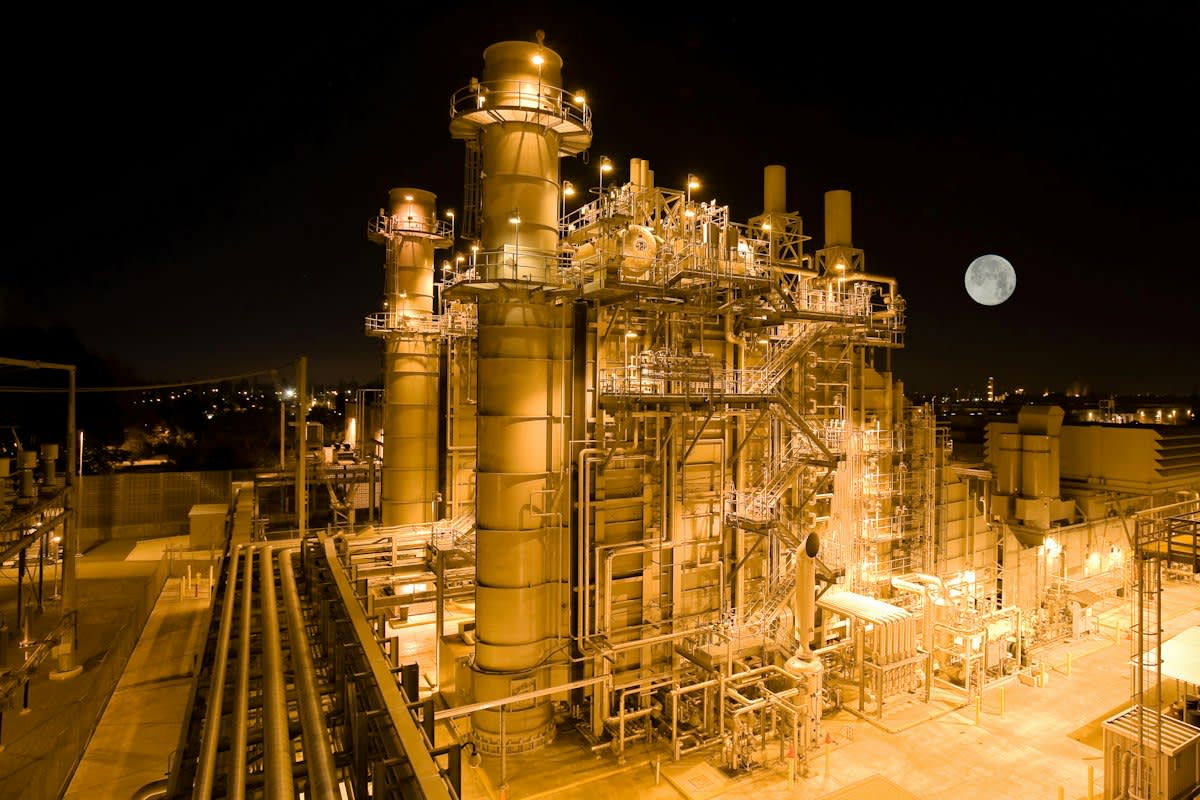
The legal loopholes are where the real money is made. Many of these projects utilize 'Carbon Credits' to offset the energy cost of the ammonia cracking process. By claiming the hydrogen is 'green' at the source, they ignore the carbon footprint of the shipping fleet and the destination processing plants. It is a bookkeeping trick designed to make the LCOH look competitive with natural gas (Source: BloombergNEF, 2023). If you actually track the molecule from the desert to the city, the carbon footprint is significantly higher than the marketing suggests.
The Systemic Leverage Shift
Why proceed? Because the alternative is worse. Northern cities are desperate to decarbonize their heavy industry—steel, cement, chemicals—which cannot run on batteries. Hydrogen is the only viable candidate for high-heat industrial processes. This desperation creates a buyer's market for the desert states. The leverage has shifted. The North isn't just buying energy; they are outsourcing their environmental guilt to the deserts of the Global South.
We are witnessing the birth of a new energy hegemony. The infrastructure being built now—the ammonia terminals in Rotterdam, the pipelines in Morocco, the electrolyzer arrays in NEOM—will dictate global trade for the next fifty years. The question isn't whether the technology works; it's who owns the valves. If the transport costs can be squeezed by another 10% through catalyst breakthroughs, the desert hubs win. If not, these projects become the stranded assets of the 21st century.
The Technical Pivot
The debate among energy architects currently centers on 'Direct-to-Ammonia' synthesis. If we can skip the pure hydrogen stage and create ammonia directly from air and water using solar heat, the energy penalty drops. However, the catalysts required for this are currently too expensive for industrial scale (Source: IRENA, 2022).
Fact-Check & Accuracy Note
Settled: Solar-to-hydrogen electrolysis is technically viable at scale. Debated: The actual carbon footprint of the ammonia-cracking cycle and the long-term integrity of repurposed steel pipelines. Unsettled: The actual LCOH of delivered hydrogen compared to blue hydrogen (natural gas with CCS).