US Home Sales Hit 14-Month Low as Borrowing Costs Bite
Source Entity
Yahoo Finance
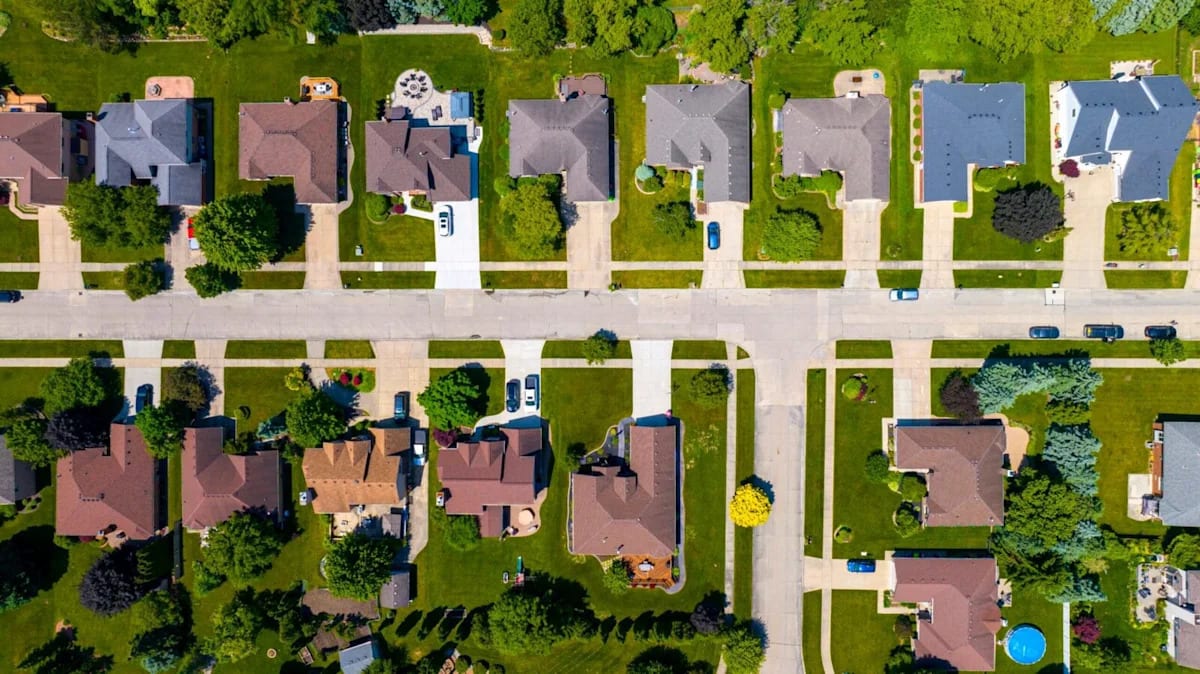
US home sales dropped to a 14-month low in August, reaching an annual rate of 3.98 million units. High mortgage rates and elevated home prices continue to suppress market activity for prospective buyers.
The Cooling US Housing Market: A Comprehensive Overview
The American housing market is currently navigating a period of significant contraction, as evidenced by the latest data from the National Association of Realtors. In August, US home sales experienced a 2% month-over-month decline, falling to a seasonally adjusted annual rate of 3.98 million residences. This figure represents the lowest level of activity since June 2025, signaling a persistent trend of stagnation within the residential real estate sector.
The Impact of Borrowing Costs and Pricing
At the heart of this downturn are two primary macroeconomic headwinds: stubbornly high mortgage rates and persistently elevated home prices. For many Americans, the dream of homeownership—once considered a foundational milestone of the middle-class experience—is increasingly becoming an unattainable aspiration. The combination of high interest rates and high valuations has created a 'lock-in' effect, where potential buyers are sidelined by affordability constraints while current homeowners are reluctant to sell and lose their existing, lower-rate mortgages.
Historical Context and Market Sentiment
Historically, the housing market serves as a bellwether for the broader US economy. The current 14-month low highlights a shift in consumer behavior and financial priorities. Where paying off a mortgage was once a universal financial goal, the contemporary discourse among younger generations, particularly Gen Z, reflects a growing frustration with the barrier to entry. This sentiment is not merely anecdotal; it is reflected in the cooling sales data that shows a clear retreat from the market.
Broader Economic Implications
This slowdown in home sales has ripple effects that extend far beyond the real estate industry. When housing turnover declines, associated sectors—such as construction, home improvement retail, and financing services—often experience reduced demand. Furthermore, the persistence of these high borrowing costs suggests that the Federal Reserve's monetary policy continues to exert significant pressure on household purchasing power, influencing how Americans view long-term asset accumulation.
Future Trends and Outlook
Looking ahead, the recovery of the housing market will likely depend on a recalibration of mortgage rates and a potential correction in home pricing. As long as supply remains constrained and the cost of debt remains high, the market is expected to remain in this state of suppressed activity. Investors and prospective homeowners alike are closely monitoring these trends to determine when the market might reach an inflection point, though current indicators suggest that the 'biting' effect of borrowing costs will persist for the foreseeable future.