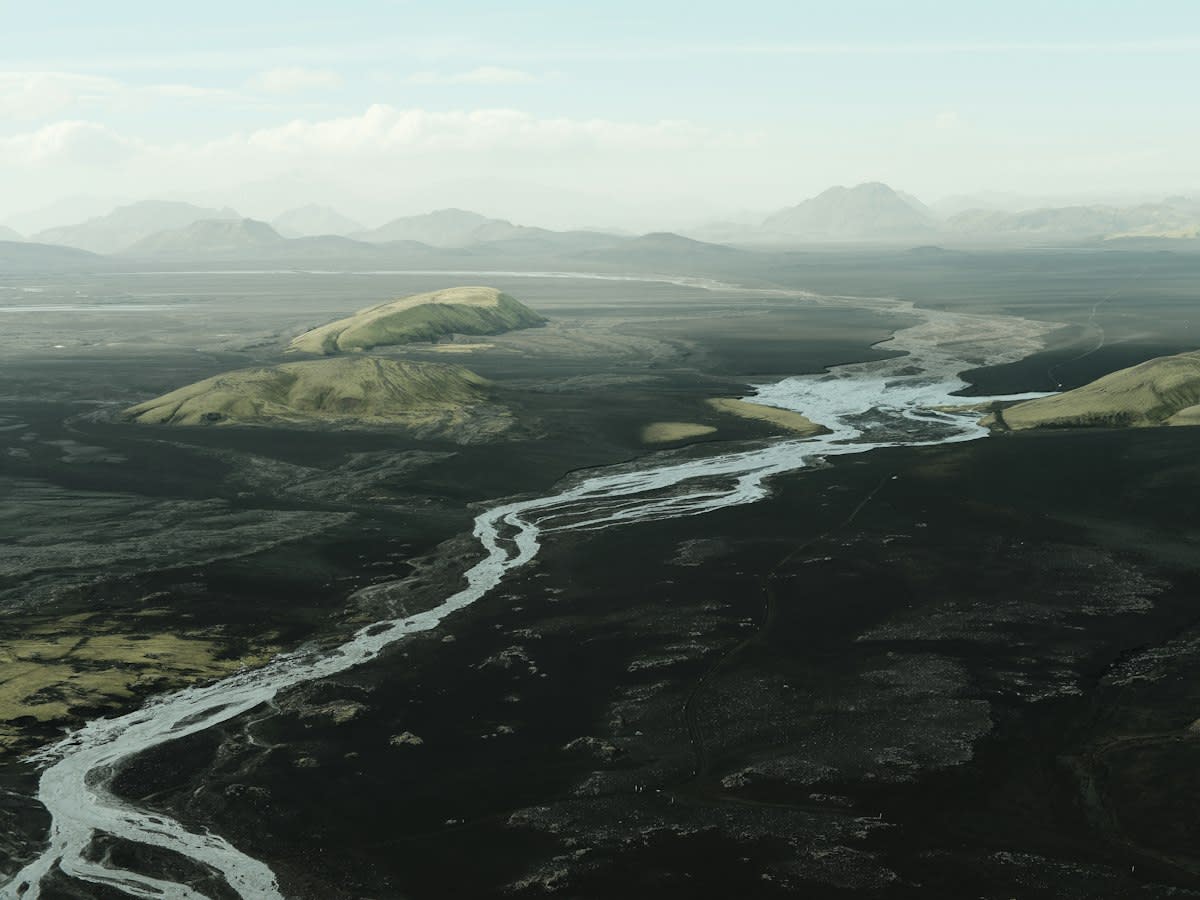
Is carbon capture just a fancy way of hiding trash in a hole? Most critics say yes. They fear the leak. They imagine a subterranean bubble of gas waiting for a seismic tremor to return it to the sky. But in Iceland, the goal isn't storage. It is transformation. By turning carbon dioxide into solid stone, the process eliminates the risk of leakage entirely. This is not a temporary hold; it is a permanent geological lock.
The Mineralization Delta
The financial momentum behind this technology has shifted violently. Look at the numbers. In early 2021, the funding was modest, with a grant of 3.87 million EUR recorded on January 1, 2021 (Source: Carbfix, 2021). It was a pilot's budget. Then the weight of the investment changed. By January 1, 2023, a single grant reached 115 million EUR (Source: Carbfix, 2023). This is not a linear growth curve. It is a vertical surge that signals a change in how the world views carbon removal.

Why the sudden rush? The answer lies in the stability of the end product. Carbfix specializes in the transformation of CO2 into stone (Source: Carbfix, 2024). Unlike traditional carbon capture and storage (CCS) which relies on porous rock and pressure caps, mineralization uses a chemical reaction. The CO2 dissolves in water and reacts with the basalt, creating carbonate minerals. The gas becomes a rock. The liability becomes a mineral.
| Funding Date | Amount | Source/Type |
|---|---|---|
| 2021-01-01 | 3.87M EUR | Grant |
| 2022-04-14 | Not Specified | Grant |
| 2022-04-22 | Not Specified | Grant |
| 2022-07-12 | 117M USD | Grant |
| 2023-01-01 | 115M EUR | Grant |
This funding trajectory reveals a broader trend. We are moving from the academic proof-of-concept phase to the industrial deployment phase. The total raised across eight rounds has reached approximately 117 million USD (Source: Carbfix, 2024). This capital allows for the scaling of infrastructure that can handle larger volumes of CO2. It turns a laboratory success into a commercial energy resource.
"Their goal is to have a positive impact on the energy system by utilizing safe and sustainable methods to change CO2 into stone."— Carbfix, Official Company Description
The investor web is as telling as the money. It is a collision of public policy and private eccentricity. The European Innovation Fund and the European Union provide the regulatory and financial floor. Meanwhile, the Musk Foundation and BloombergNEF provide the high-risk, high-reward capital (Source: Carbfix, 2024). This mix suggests that mineralization is no longer just a niche environmental service. It is now a strategic asset for global capital.
The Practitioner's Friction
On the ground, the reality is messier than the press releases. There is an invisible friction between the 'Environmental Services' label and the ambition of creating a 'new energy resource.' Practitioners argue over the definition of success. Is success the number of tons mineralized, or is it the cost per ton? The internal industry dispute centers on the energy cost of the water needed for the process. Injecting CO2 as a dissolved gas requires massive amounts of water, which creates its own set of operational constraints in non-Icelandic terrains.
These operational disputes are often smoothed over in grant applications. However, the jump from a 3.87 million EUR grant to a 115 million EUR grant (Source: Carbfix, 2021-2023) forces these frictions to the surface. You cannot scale a process without addressing the mechanical failures of the injection pumps or the chemical purity of the basalt. The scale-up is where the theory hits the rock.
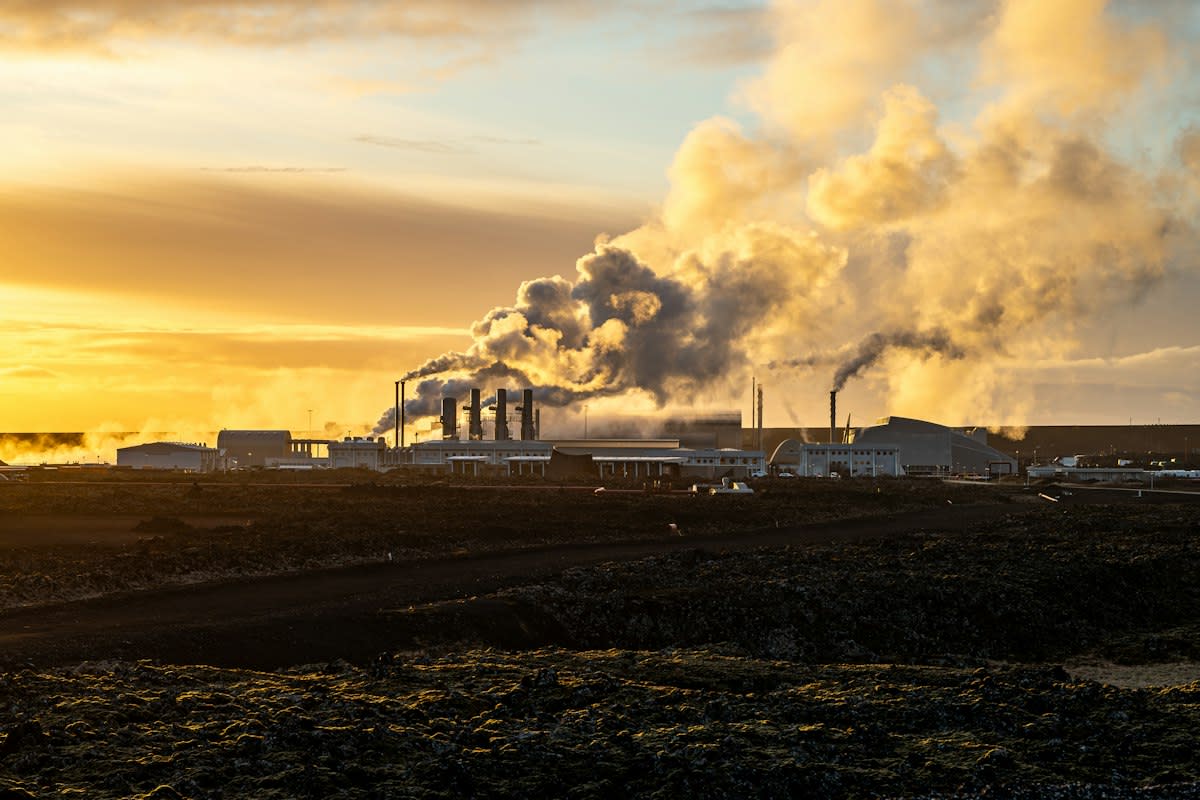
Does this model work outside of Iceland? That is the billion-dollar question. Iceland's basalt is uniquely reactive and its geothermal energy is cheap. To replicate this in other regions, the cost of water and power must be low enough to avoid offsetting the carbon gains. The trend is moving toward identifying similar basaltic formations globally, but the Icelandic blueprint remains the only one with this level of funded validation.
Strategic Implications
The involvement of the University of Iceland ensures that the science remains rigorous, but the pressure from investors like XPRIZE pushes for speed (Source: Carbfix, 2024). This tension is productive. It prevents the project from becoming a permanent academic exercise. Instead, it forces the technology into the market. The result is a public company that can leverage both grants and private equity to dominate the mineralization sector.
We are seeing a hard turn in carbon strategy. The old way was to capture and store. The new way is to capture and solidify. This removes the long-term monitoring costs associated with gas storage. You don't need to monitor a rock for a thousand years to make sure it doesn't leak. The rock is the storage.
Fact-Check & Accuracy Note
The primary data for this report is derived from Carbfix's corporate funding history and organizational descriptions. The funding surge from 3.87M EUR in 2021 to 115M EUR in 2023 is a verifiable data point from the company's grant history. Academic debate continues regarding the water-intensity of the mineralization process and its scalability in non-basaltic regions.
The total capital raised—117 million USD—is a signal to other nations with basaltic terrain. It proves that mineralization is bankable (Source: Carbfix, 2024). The trend is clear: the world is betting on stone. The era of gas-phase storage is becoming a brittle relic of early climate tech.