
The era of the passive consumer is dead. For decades, the relationship between the homeowner and the utility company was a simple, one-way street: you paid for electrons, and they kept the lights on. That dynamic has shifted. We are now entering an age of energy sovereignty where the goal is no longer just to lower a monthly bill, but to decouple your lifestyle from the instabilities and pricing whims of a centralized grid. This isn't about surviving a blackout; it is about owning the means of production.
In the old days, the transition was easy. If you installed solar panels, net metering allowed you to sell excess electricity back to the utility at nearly the retail rate, often paying off the entire system in just three to five years. But the utilities fought back. As reported by CleanTechnica, utility companies successfully lobbied legislatures to slash or eliminate these payouts. They realized that rooftop solar generated the most power in the afternoon—exactly when grid-scale solar assets were already peaking. The financial incentive for simple solar has dwindled, making the integration of smart storage the only viable path to true independence.
Prerequisites: What You Will Need
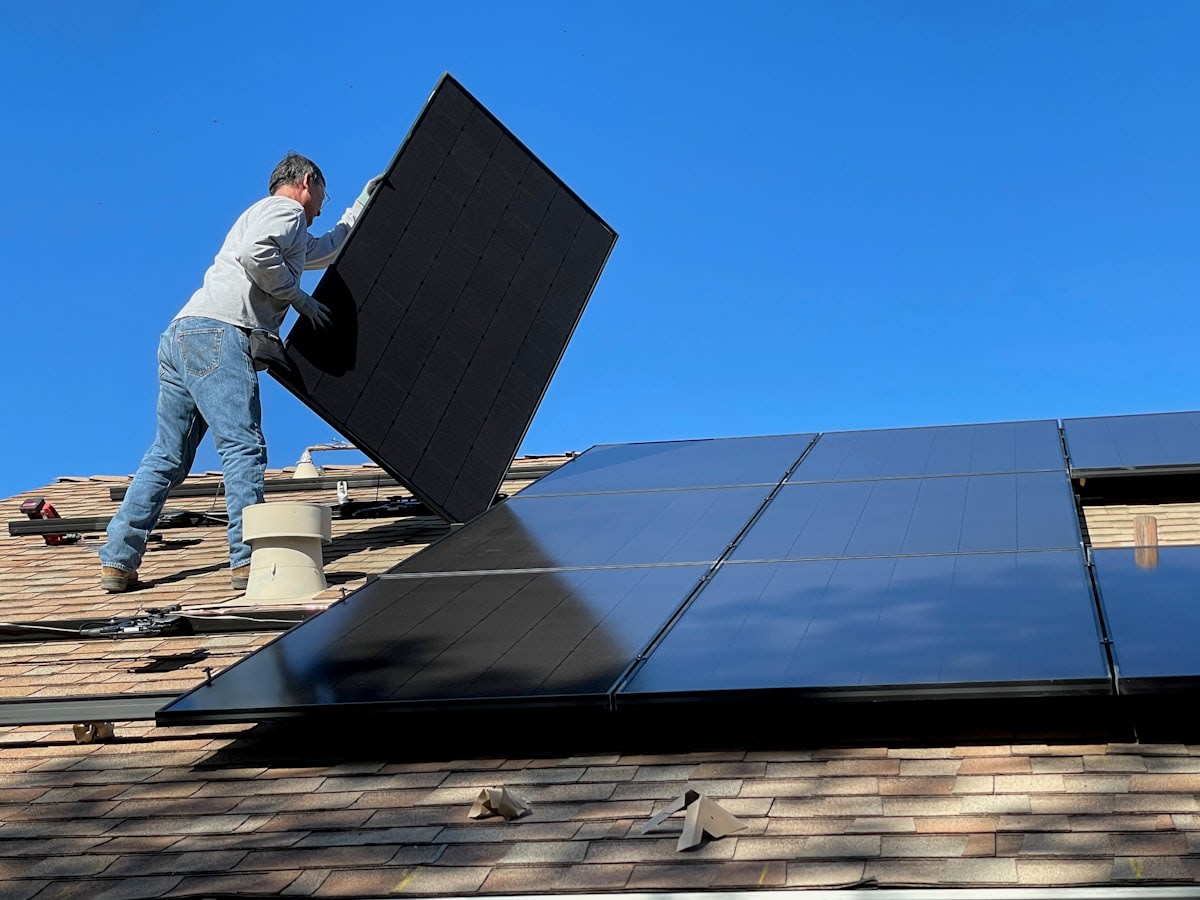
Before you purchase a single panel, you must treat your home like a power plant. Decoupling requires a rigorous audit of your energy appetite. Do you run high-draw appliances during peak hours? Is your roof orientation optimized for the specific latitude of your region, whether you are in the sun-drenched plains of Australia or the cloudier reaches of Northern Europe? You cannot build a grid on guesswork.
- A detailed 12-month energy consumption log (kWh per month).
- A structural assessment of your roof to ensure it can support the dead load of photovoltaic arrays.
- A dedicated space for battery storage that is ventilated and temperature-controlled.
- A clear financial strategy that accounts for the shift from operational expenditure (monthly bills) to capital expenditure (system installation).
Hardware is the foundation, but strategy is the architecture. Many homeowners make the mistake of buying the most expensive panels without considering the systemic flow of energy. To decouple successfully, you must move beyond the mindset of 'saving money' and move toward 'system resilience.' This requires a shift in how you view your home's relationship with the external world.
The Step-by-Step Decoupling Process
- Conduct a Load Profile Audit: Identify your 'critical loads' (refrigeration, security, medical devices) versus 'discretionary loads' (dryers, AC). This determines your minimum battery capacity.
- Vet Your Manufacturer: Do not buy based on a brochure. Following industry standards, scrutinize brand credibility, international quality certifications, and verified customer reviews to ensure long-term durability.
- Optimize Panel Efficiency: Compare efficiency ratings specifically against your available rooftop square footage. If space is limited, prioritize high-efficiency panels over cheaper, larger ones to maximize wattage per square meter.
- Deploy an Energy Storage System (ESS): Install a battery capacity that allows you to bridge the gap during non-productive hours. This transforms you from a solar-user to a power-owner.
- Configure Your Grid Interaction: Decide between a full off-grid setup or a hybrid approach. In a hybrid model, you can participate in Virtual Power Plants (VPPs), where you are compensated for providing energy back to the grid during demand spikes.
- Commission and Stress Test: Run your home on battery power for a full weekend to identify leaks in efficiency and adjust your consumption habits accordingly.
The selection of the manufacturer is where most novices fail. It is tempting to go with the lowest bidder, but in the energy sector, you get exactly what you pay for. A system that degrades by 20% in five years is a liability, not an asset. You must demand comprehensive product and performance warranties that protect against manufacturing defects and long-term output degradation.
Pro Tip: Installation Integrity
When vetting installers, prioritize those with certified installation partners. A poorly wired system is not just inefficient; it is a fire hazard. Ensure your setup complies with all local safety and environmental standards before the first switch is flipped.
Once the hardware is in place, the focus shifts to the intelligence layer. The most sophisticated systems today are no longer passive batteries; they are active grid management tools. By coordinating your storage with thousands of other homes, you can join a Virtual Power Plant. This allows you to monetize your independence, turning your home into a micro-utility that earns revenue during periods of high grid stress.
Scaling the Vision: Residential vs. Industrial
It is easy to feel small when looking at the scale of national infrastructure. For example, the recently approved Peartree Hill solar farm in East Yorkshire covers a staggering 891 hectares and is designed to power 136,000 homes. While some critics call such projects a monstrous mega sprawl of industrial panels, they represent the macro-shift toward renewables. However, for the individual, the goal is not to mimic the industrial scale, but to achieve the same autonomy on a residential level.
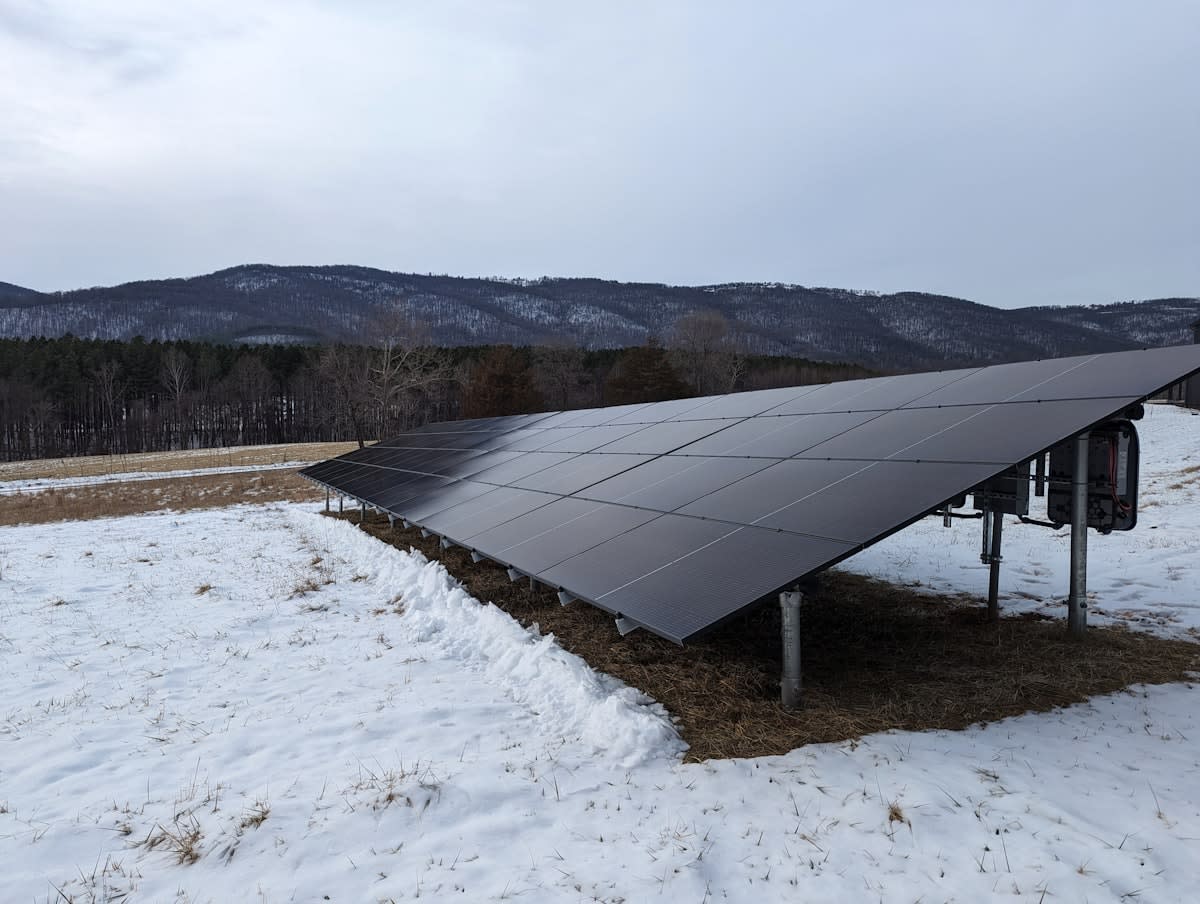
The contrast is stark. While the Peartree Hill project is a matter of government planning and national security, your home grid is a matter of personal resilience. You do not need 2,200 acres to be independent; you only need a precise alignment of generation, storage, and consumption. The industrialization of energy is happening, but the democratization of energy happens on your roof.
| Criteria | Low-End System | Professional Grade | Independence Grade |
|---|---|---|---|
| Warranty | 1-5 Years | 10-15 Years | 25+ Years (Performance) |
| Efficiency | 15-17% | 18-20% | 22%+ |
| Storage | None/Small | Basic Backup | VPP Integrated |
| Goal | Bill Reduction | Reliability | Full Decoupling |
Choosing the right tier of equipment depends on your end goal. If you simply want to shave 20% off your bill, a low-end system suffices. But if your objective is to decouple, you must move toward the Independence Grade. This means investing in high-efficiency panels and a battery system capable of active grid management, ensuring that you are the one controlling the flow of power, not the utility company.
Common Pitfalls to Avoid
The path to energy independence is littered with expensive mistakes. The most frequent error is the failure to account for degradation. No panel produces the same wattage in year ten as it did on day one. If you size your system exactly to your current needs, you will be under-powered within a decade. Always over-provision your generation capacity by 15-20% to account for the inevitable decline in efficiency.
Another critical failure is ignoring the installation network. A high-end panel installed by an uncertified technician is a liability. Ensure your installer is not just a general contractor but a specialist with a track record of successful commissioning. Check for pricing transparency; hidden charges in the installation phase can destroy the projected ROI of your system.
"The utility companies soon came to hate net metering and convinced legislatures in many states to severely reduce or eliminate the amount of money homeowners could earn by using it."— CleanTechnica
Finally, do not fall into the trap of 'set it and forget it.' An independence grid requires active management. You must monitor your storage levels and adjust your usage based on weather forecasts. Those who treat their energy system like a toaster will find themselves relying on the grid more than they intended. Those who treat it like a business will find true freedom.