The New Oceanic Architecture
We have long viewed the ocean as a vast, empty expanse, a buffer zone between continents. That perspective is obsolete. The deep is currently undergoing a systemic transformation from a natural wilderness into a managed industrial corridor. This is not a series of isolated projects but a coordinated shift in how humanity occupies the hydrosphere. When we talk about the invisible wall of noise pollution, we aren't just talking about decibels; we are talking about the physical and acoustic reconfiguration of the planet's largest habitat.
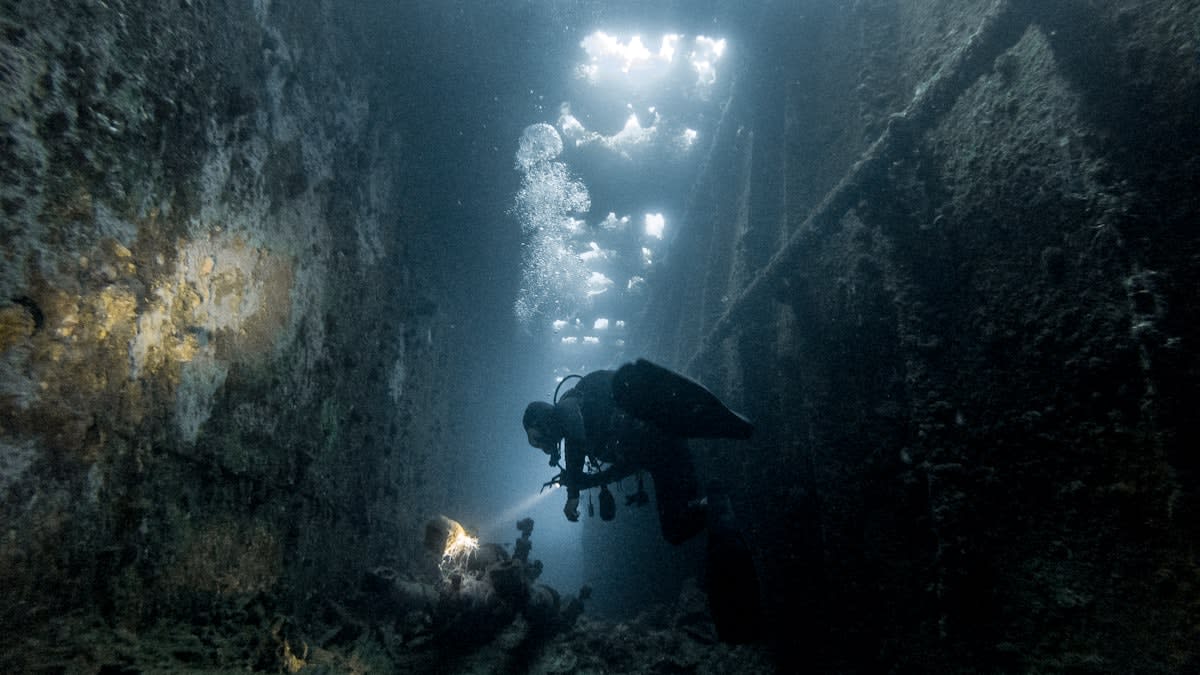
This reconfiguration is most evident in the Indo-Pacific, where the intersection of government mandates and commercial ambition is accelerating. The appointment of experienced leaders like Travis Richardson to oversee Hawaii-based operations for Phoenix International Holdings signals a strategic intensification of subsea activity. By scaling commercial diving, underwater ship repair, and offshore energy services, the region is effectively building a sprawling underwater city of infrastructure. Every pile driven into the seabed and every salvage operation conducted adds a layer of acoustic stress to an environment that evolved in relative silence.

Why does this matter now? Because this industrialization is not happening in a vacuum. It is colliding with a thermal crisis of unprecedented scale. The acoustic wall does not exist in isolation; it is reinforced by a warming ocean that alters how sound travels and how species respond to it. We are seeing a convergence of mechanical noise and thermal stress that creates a compounding barrier for marine migration and communication.
Strategic Shift
The Indo-Pacific Pivot: The region is transitioning from a transit zone to a primary hub for advanced subsea technologies, blending offshore energy services with critical government underwater inspection and maintenance.
The Thermal Overlay: A Compounding Stressor
The data from Copernicus is staggering: approximately 82% of the world's ocean surface is currently experiencing marine heatwaves. This is not a localized anomaly; it is a global systemic failure. When the vast majority of the ocean is in a state of thermal distress, the biological resilience of marine life plummets. A species already struggling to survive a heatwave is far less capable of adapting to the sudden onset of industrial noise from underwater construction or offshore energy projects.
The timeline is accelerating. Berkeley Earth climatologist Zeke Hausfather notes that 2026 currently ranks as the third hottest year on record, trailing only 2024 and 2025. The probability that 2026 will eventually claim the top spot has already risen to 35%. This thermal trajectory suggests that the ocean is not just warming—it is hitting a tipping point where the baseline environment is fundamentally altered. This creates a scenario where the invisible wall of noise pollution becomes an impassable barrier for species attempting to migrate to cooler waters.
"The world's attention to climate change has weakened in recent years due to wars and other crises. Now the world is burning again — this time due to climate change, and it is becoming increasingly difficult to ignore it."— Zeke Hausfather, Climatologist at Berkeley Earth
This lack of attention creates a dangerous blind spot. While the world focuses on terrestrial crises, the subsea landscape is being rewritten. The synergy between record-breaking ocean temperatures and the proliferation of advanced subsea technologies creates a pincer effect. Marine life is squeezed between an overheating surface and a noisy, industrialized floor. This is the true nature of the invisible wall.
| Stressor | Key Metric | Systemic Outcome |
|---|---|---|
| Thermal Volatility | 82% Surface Heatwaves | Widespread Habitat Displacement |
| Industrial Expansion | Indo-Pacific Subsea Scaling | Creation of Acoustic Barriers |
| Climate Trajectory | 35% Probability of Record Heat | Ecological Compression |
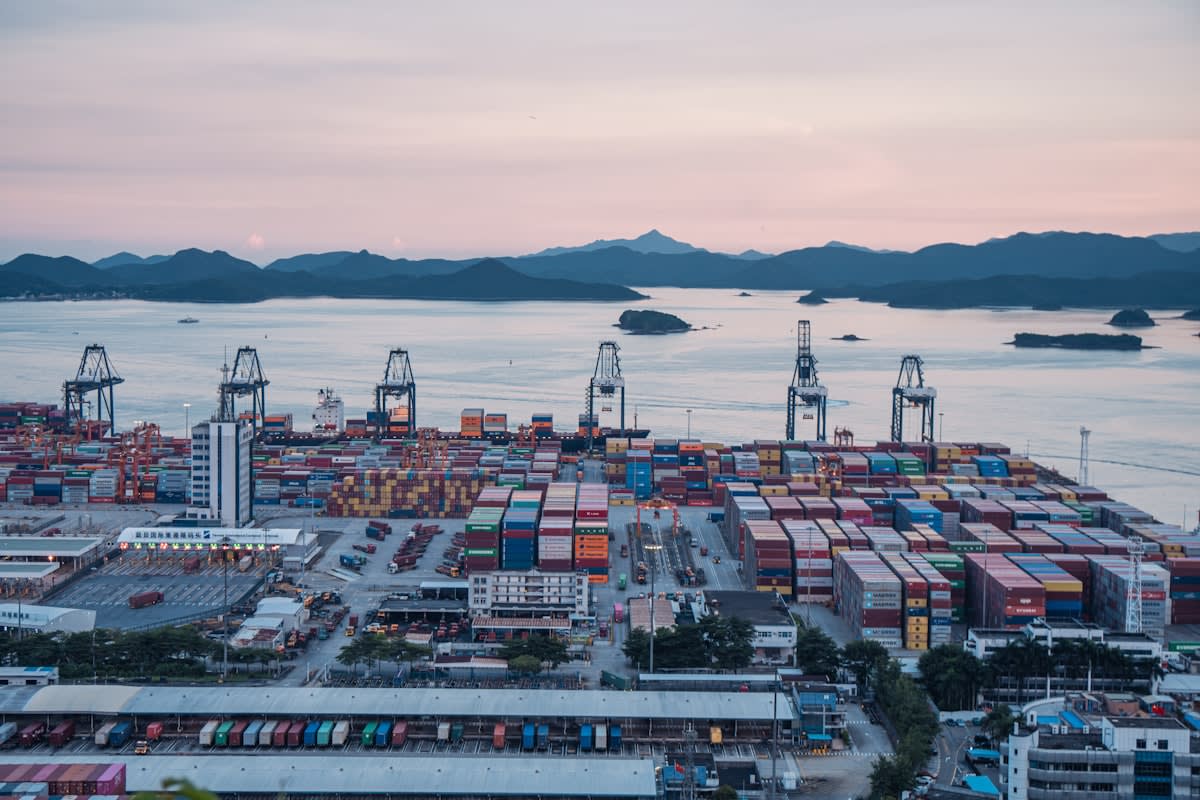
Is this an inevitable casualty of progress? Not necessarily. The shift toward sustainable shore power, such as the initiatives seen at the Port of Rotterdam cruise ship terminal, demonstrates that industrialization does not have to mean degradation. By decoupling port operations from onboard combustion, we can reduce the baseline noise and pollution levels in critical coastal hubs. The challenge is scaling this philosophy to the deep ocean.
The contrarian view is that we should stop trying to preserve the ocean as a static museum and start managing it as a dynamic, hybrid ecosystem. The goal is not the total elimination of noise—which is impossible in a world requiring offshore energy—but the strategic zoning of acoustic footprints. By utilizing the very subsea technologies Phoenix International is deploying, we can map these noise walls in real-time and create migratory corridors that remain silent.
We are witnessing a remapping of the ocean. The boundaries are no longer defined by depth or temperature alone, but by the reach of our machinery. If we continue to ignore the intersection of the 82% heatwave coverage and the expansion of subsea construction, we aren't just polluting the water; we are partitioning the planet. The opportunity lies in integrating ecological intelligence into the engineering phase of offshore energy services.
Ultimately, the resilience of the ocean depends on our ability to recognize that the thermal and the acoustic are linked. A heat-stressed whale is a vulnerable whale. A noise-stressed reef is a dying reef. The invisible wall is a symptom of a fragmented approach to ocean management. To break the wall, we must treat the Indo-Pacific and other global hubs not as resource extraction zones, but as integrated biological systems that require acoustic sovereignty.