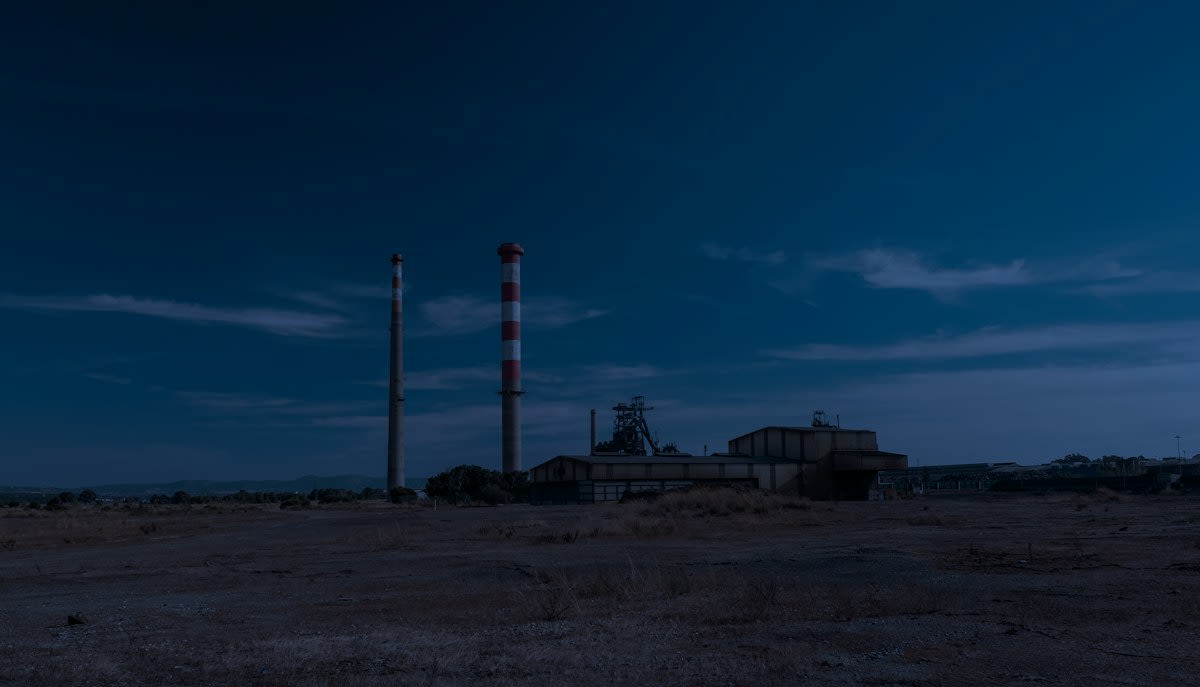
Lee County soil smells of oxidized iron. The White House claims a 15 billion dollar investment will materialize by 2030, leveraging the Export-Import Bank of the United States to revive a rural southeast Iowa community (Source: Des Moines Register, 2026). This is not a gentle revival but a heavy-industry shock to a region that has seen its industrial marrow sucked dry for decades. The scale is staggering, requiring 6,000 construction workers over a four-year window to erect what is being hailed as the largest steel plant in American history (Source: Des Moines Register, 2026).
The Mesabi Blueprint
Nashwauk is the other end of the pipe. A 2.5 billion dollar iron ore processing plant is slated for completion in Minnesota, designed to feed the Iowa beast with raw, crushed rock (Source: Star Tribune, 2026). The logistics are a greasy exercise in political theater, attempting to link the Iron Range's ore deposits to a new mill in Lee County. This strategy attempts to resurrect a dream of local ore feeding local steel, a notion that has persisted on the Iron Range since before pre-sliced bread became a household staple (Source: Star Tribune, 2026).
"The largest steel plant in American history."— Donald Trump, President of the United States
Capital is the only lubricant here. The involvement of the Export-Import Bank of the United States suggests that the private market is too terrified to shoulder the risk of Mesabi Metallics alone (Source: Star Tribune, 2026). When the federal government provides the financial scaffolding for a 15 billion dollar project, the risk is socialized while the potential profit remains locked in a corporate vault. The project seeks to occupy the ghost of the former Butler Taconite plant, a site that has been a silent, concrete carcass since 1985 (Source: Star Tribune, 2026).
Industry insiders view this with a cold eye. The friction between the DFL in Minnesota and the federal push for this project creates a political grinding noise that could stall the $2.5 billion Nashwauk plant before the first silicon-etched sensor is installed (Source: Star Tribune, 2026). The promise of jobs is a powerful drug in the Iron Range, but the history of abandoned taconite plants serves as a grim reminder that steel is a fickle god.
The Carbon Capture Equation
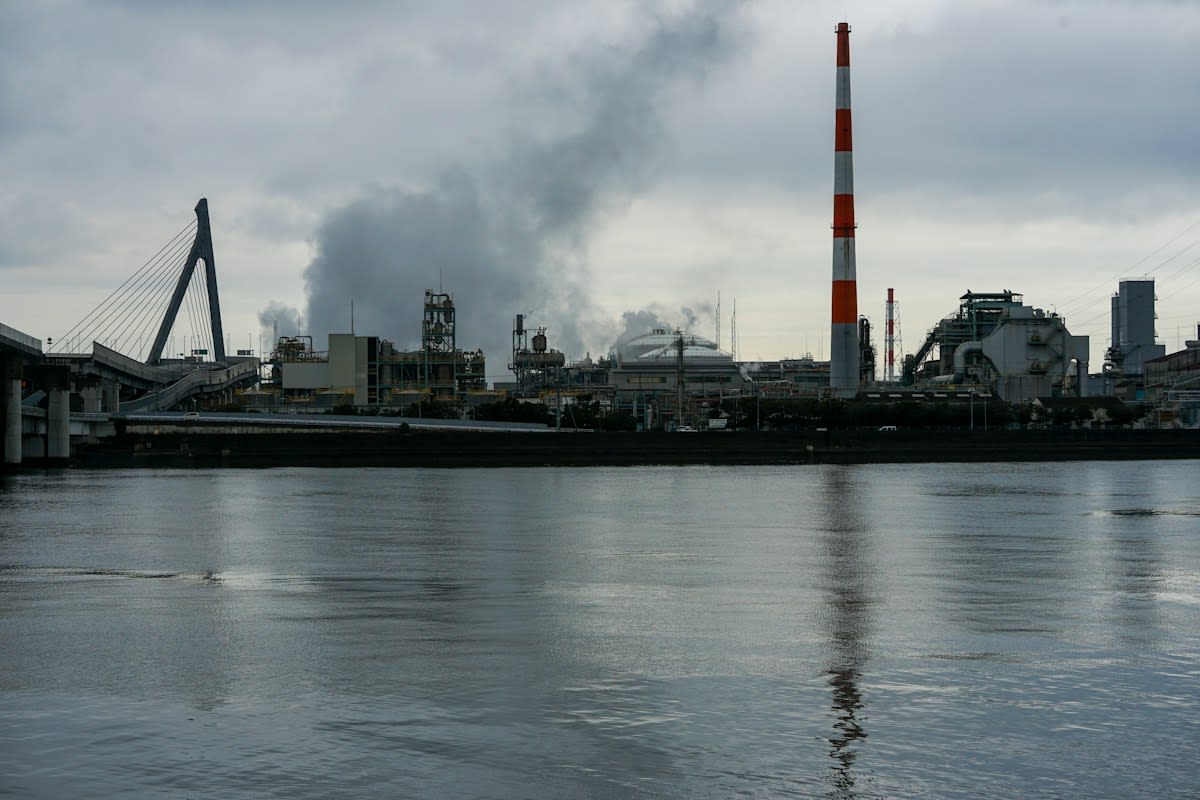
Steel cannot ignore the atmosphere. The industry is leaning on zeolite powder adsorbents to scrub carbon and purify hydrogen, a market growing at a 5.5-6.5% CAGR through 2035 (Source: IndexBox, 2026). This is the silicon-etched hope of the energy sector: that we can build massive, greasy mills while using chemical sponges to catch the emissions before they hit the clouds. The demand for these adsorbents is not driven by environmental altruism but by the clinical necessity of staying operational under tightening regulations (Source: IndexBox, 2026).
Hydrogen purification is the hidden engine. By utilizing zeolite powders, operators can strip impurities from hydrogen streams, creating a cleaner fuel source for the high-heat requirements of steel smelting (Source: IndexBox, 2026). This technical layer is the only thing preventing the Lee County project from being an ecological suicide note. However, the gap between a 6.5% market growth rate and the sheer volume of carbon emitted by a 15 billion dollar mill is a chasm that few have successfully bridged.
| Metric | Value/Projection | Source |
|---|---|---|
| Iowa Plant Investment | $15 Billion | Des Moines Register, 2026 |
| Nashwauk Plant Investment | $2.5 Billion | Star Tribune, 2026 |
| Zeolite Market CAGR | 5.5-6.5% | IndexBox, 2026 |
| Cobalt Recycling Rate (2030) | 25% | Mining.com, 2026 |
| Lithium Recycling Rate (2030) | 15% | Mining.com, 2026 |
Resource scarcity is the next wall. The International Energy Agency (IEA) has noted that clean energy technologies require far larger quantities of minerals than the conventional energy systems they replace (Source: Mining.com, 2026). To sustain the equipment needed for carbon capture and the wider energy move, the industry is scavenging its own graveyard. We are seeing a surge in demand for copper and rare earths, turning decommissioned wind turbines and aging grid equipment into fiber-optic and copper-wire mines (Source: Mining.com, 2026).
Recycling is a desperate hedge. By 2030, researchers estimate that 15% of lithium, nickel, and manganese, and 25% of cobalt supplies could come from recycling sources (Source: Mining.com, 2026). This is a circular economy born of necessity, not design. For a steel plant in Lee County to be truly sustainable, it would need to integrate these recycling streams into its broader energy infrastructure, moving away from the raw-extraction model that defined the 20th century.
Ground-level reality is far messier. In the breakrooms of the Iron Range, the debate is not about CAGR or zeolite adsorbents, but about whether Mesabi Metallics can actually keep the lights on. There is a visceral distrust of companies that arrive with billion-dollar promises and federal backing, only to vanish when the ore grade drops or the political wind changes. The friction is felt in the grease-stained hands of operators who remember the 1985 closures and the hollowed-out towns that followed.
The Failure Point
Mesabi Metallics has a troubled past. This is the jagged edge of the project that the White House press releases omit (Source: Des Moines Register, 2026). When a company with a history of instability attempts to manage a 15 billion dollar asset, the probability of a catastrophic collapse increases. The failure point is not the technology or the ore, but the corporate governance. If the $2.5 billion Nashwauk plant falters, the Lee County mill becomes a 15 billion dollar monument to hubris, a concrete shell mirroring the Butler Taconite ruins.
Fact-Check & Accuracy Note
The claim of the largest steel plant in American history depends entirely on the $15 billion capital expenditure estimate. However, the 'troubled past' of Mesabi Metallics suggests these figures may be aspirational rather than guaranteed. All data regarding the 2030 completion date is based on current White House announcements (Source: Des Moines Register, 2026; Star Tribune, 2026).
Editorial Note
The analyst's perspective here is focused on the divergence between federal political narratives and the industrial track record of the primary actor. The reliance on the Export-Import Bank is a critical indicator of high project risk.