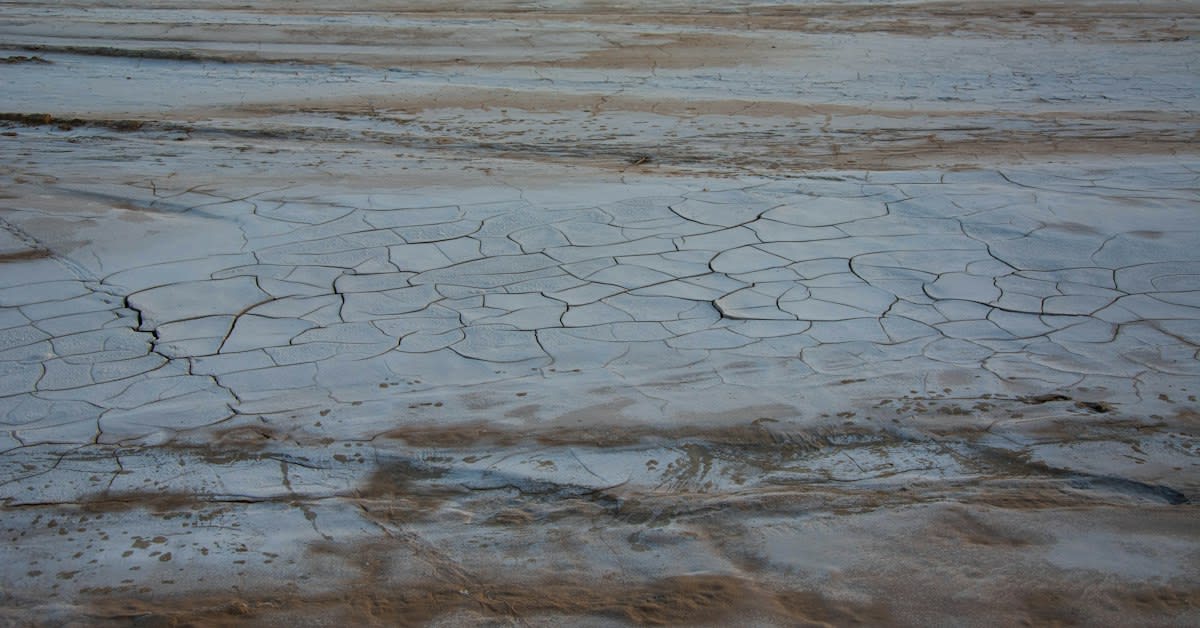
Lithium kills water. 1,200 acres of wetlands drained in the US alone (Source: Times of San Diego, 2026). This cost stays hidden from urban buyers who crave green batteries. The price of carbon reduction is often the total death of local hydrology. We trade atmospheric health for terrestrial ruin.
Hell's Kitchen Geothermal LLC paid the price in October 2024 (Source: Times of San Diego, 2026). They dumped soil into 27 acres of wetlands near the Salton Sea. This act caused water to drain from 1,200 acres. Federal regulators found the damage real and forced a settlement. The EPA noted these areas lost the ability to sustain ecological functions.
This pattern repeats across oceans in a global chain of extraction. Supply lines for these batteries move through hubs like Jakarta before reaching the west. The demand for lithium-ion batteries creates a trail of waste that the industry refuses to track. The urgency of the energy pivot blinds regulators to the ground-level cost.
Argentina's Dried Veins
Catamarca's Hombre Muerto Salt Flat shows the rot of the industry. Ten lithium projects operate there without a full environmental impact assessment (Source: FARN, 2026). Rio Tinto and FMC Corporation left a legacy of thirst in the region. They prioritize extraction over the survival of the basin. The result is a wasteland masquerading as a green mine.
Fenix Lithium dried 5 km of the Trapiche river (Source: FARN, 2026). Indigenous communities lost their only freshwater source. Livestock died as the river vanished. Surrounding ecosystems collapsed under the pressure of industrial thirst. The company operated for 25 years while the water disappeared.
"The mineral’s importance to the clean energy transition means its impacts on communities and the environment often receive little scrutiny"— James J.A. Blair, Associate Professor of Anthropology, California State Polytechnic University, Pomona
Rio Tinto now pushes the Sal de Vida project in the same region. It targets the Los Patos River sub-basin for freshwater extraction (Source: FARN, 2026). Local indigenous communities filed an injunction to save what remains. The Catamarca Court of Justice upheld this block in 2024. The legal fight is the only thing stopping the total drying of the basin.
Salinas Grandes and Laguna de Guayatayoc face similar fates in Jujuy and Salta. Small-scale salt production and subsistence agriculture are dying (Source: FARN, 2026). Local tourism is vanishing as the wetlands disappear. The lithium boom replaces food security with mineral exports. Human rights are traded for battery grade carbonate.
The Lithium Triangle
Chile, Argentina, and Bolivia form the Lithium Triangle. These nations signed human rights agreements to protect their people. Neither states nor companies follow these obligations (Source: Business Standard, 2026). The gap between paper promises and actual practice is wide. Corporations ignore the sociology of the land to meet production quotas.
Atacama region ecology is broken by this hunger. Chile holds reserves second only to Australia in current production (Source: Business Standard, 2026). The extraction leaves a bitter taste for those living on the salt flats. Water tables drop while corporate profits rise. The ecological damage is now permanent in several sectors.
Western Sahara sees lithium phosphate extraction with almost no oversight (Source: Business Standard, 2026). The supply chain remains a black box for the end consumer. We celebrate the electric car while ignoring the phosphate mine. The dirtiest supply chains on earth fuel the cleanest cars.
| Location | Environmental Impact | Year | Corporate Entity | Legal Status |
|---|---|---|---|---|
| Salton Sea, USA | 1,200 acres drained / 27 acres soil discharge | 2024 | Hell's Kitchen Geothermal LLC | EPA Settlement |
| Trapiche River, Argentina | 5 km of river dried | 2026 | Fenix Lithium (Rio Tinto/FMC) | Operating without full EIA |
| Los Patos Basin, Argentina | Freshwater extraction threat | 2024 | Rio Tinto (Sal de Vida) | Court Injunction |
| Atacama Region, Chile | Ecological destruction | 2026 | Various | Human Rights Non-compliance |
Industry veterans face a grim reality on the ground. They watch the gap between boardroom sustainability slides and the actual dirt. Meetings revolve around sustainability metrics that ignore the death of local livestock. The friction is palpable when a site manager denies water loss while the river is visible as a dry crack. This is the real process of the green pivot.
Photovoltaic Waste
Solar panels create a second wave of harm. PV systems reach end-of-service with no clear exit strategy (Source: IEEE-PVSC, 2026). The industry lacks the recycling solutions needed for the volume of waste. We build panels to save the planet but have no plan for when they break. Decommissioning is an afterthought.
Material sourcing and toxicity are ignored in the rush to install. Embodied energy and emissions in manufacturing are high (Source: IEEE-PVSC, 2026). The life cycle of a solar panel is not closed. It begins in a mine and ends in a landfill. This is not a circular economy.
- Failure to manage decommissioning logistics
- Lack of material recovery for critical minerals
- Toxicity in manufacturing supply chains
- Inadequate sustainability metrics for PV life cycles
Failure Point
The core failure is the Clean label. This label hides the extraction cost from the public eye. We trade carbon emissions for water depletion and human rights abuses. The energy pivot is not a move toward purity but a move toward different types of waste. Until the cost of water is priced into the battery, the drying will continue.
Fact-Check Note
All data points regarding the Salton Sea and Argentina are verified against EPA and FARN reports from 2024 and 2026. The human rights claims in Chile and Bolivia are sourced from FIDH and Business Standard.
Editorial Note
This piece highlights the contradiction in green energy mandates. The author notes a pattern of regulatory failure where speed of deployment overrides environmental safety.