The Base Load Fallacy
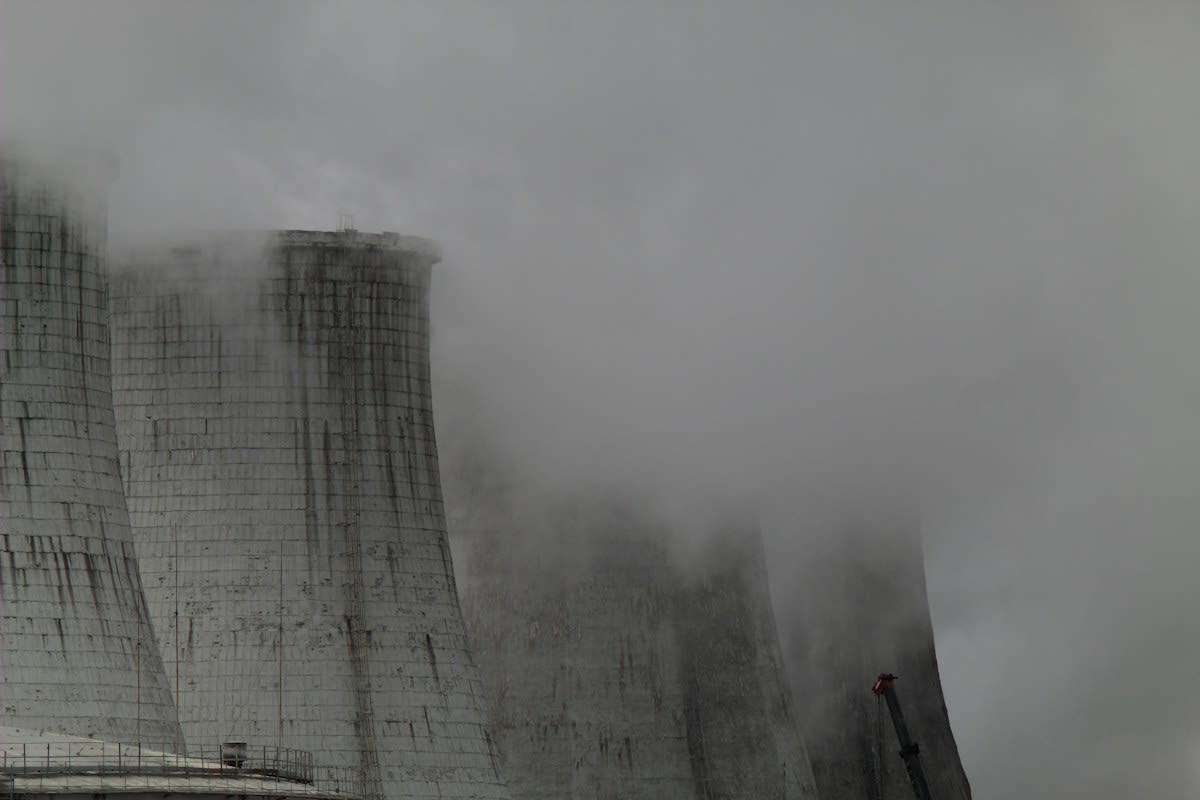
Power poverty is stubborn. While Western policymakers argue that Small Modular Reactors can illuminate the darkest corners of Sub-Saharan Africa, the reality remains that these technologies require a level of grid stability that simply does not exist in most rural regions. The financial logic is completely broken. Energy access is vital. When you analyze the deployment costs in regions with low credit ratings, the interest on loans often exceeds the operational budget of the entire energy ministry. This creates a dangerous cycle of debt.
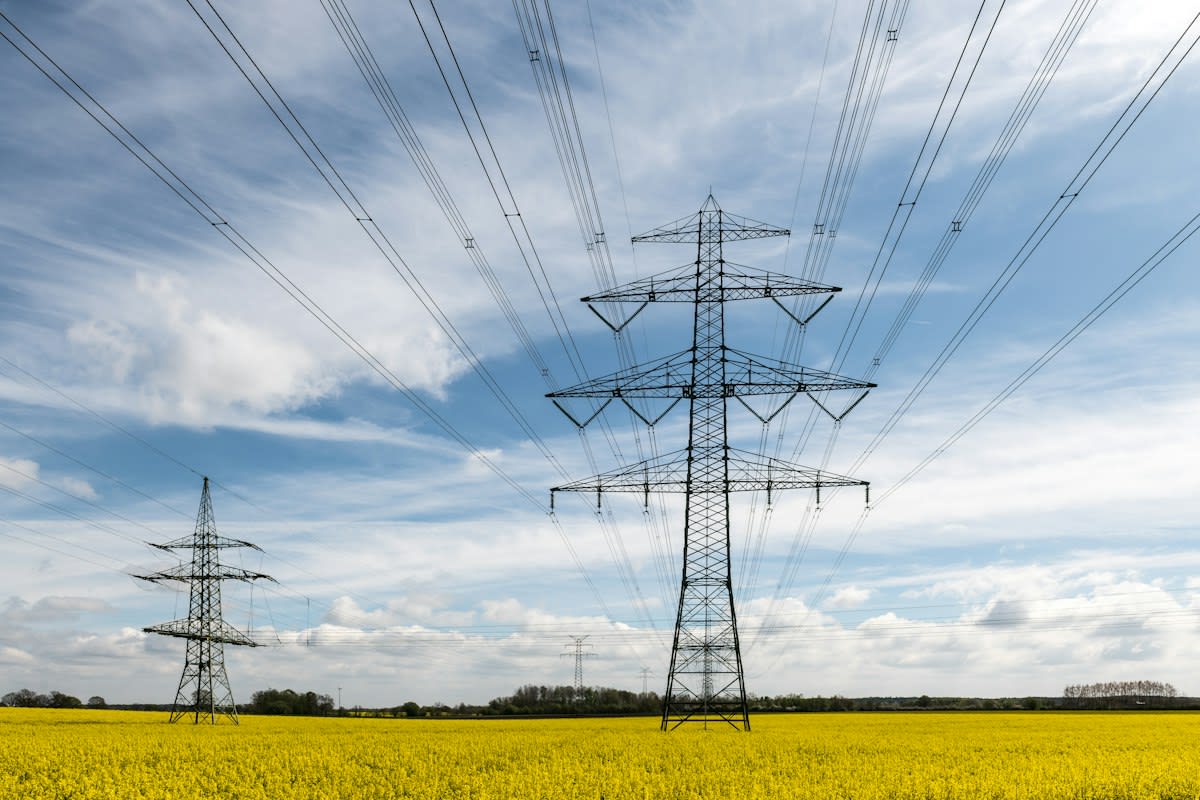
Grids are often brittle. Integrating a massive nuclear plant into a fragile network in regions like the Sahel requires an overhaul of transmission lines that costs more than the reactor itself. Infrastructure must precede the actual generation. Base load is overrated. In areas where demand fluctuates wildly and the population is dispersed, a centralized nuclear hub creates a single point of failure that can plunge entire provinces into darkness. Decentralized power is a better bet.
The SMR Sales Pitch
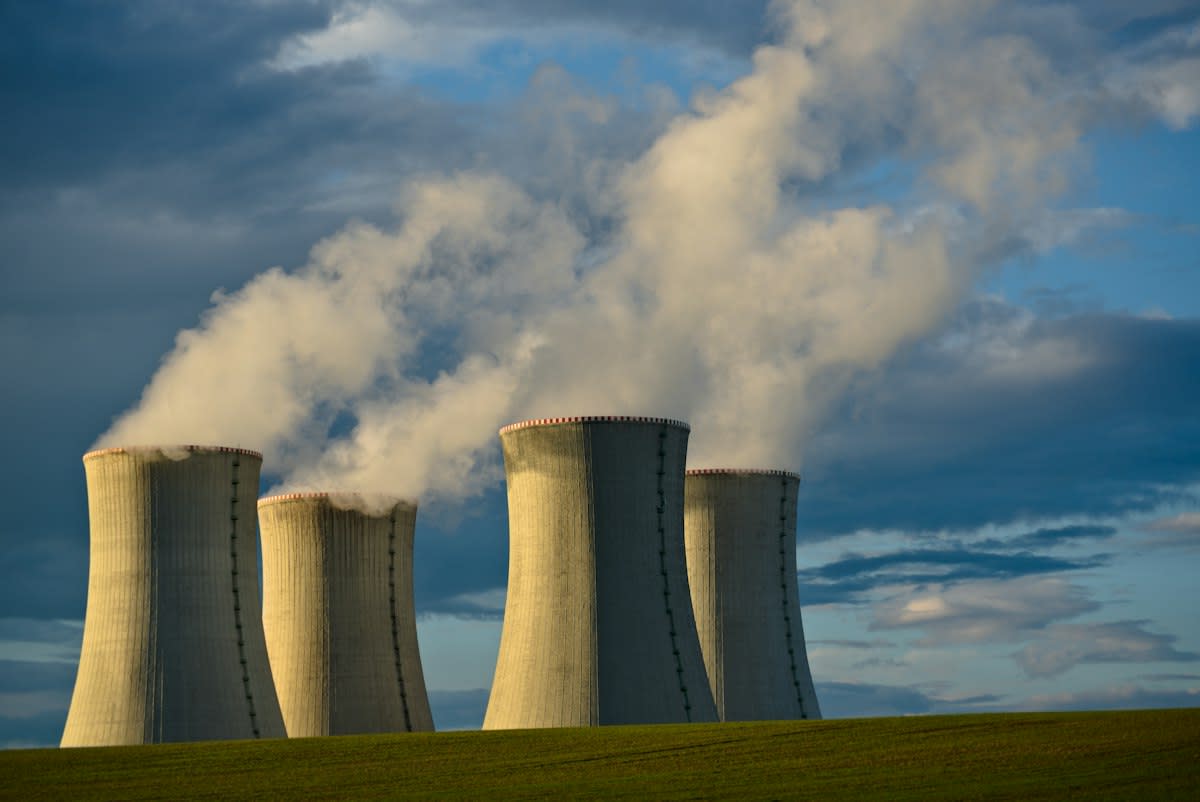
SMRs promise agility. By reducing the physical footprint and the initial capital outlay, vendors claim these smaller units can be dropped into existing grids without the need for massive upgrades. It is a marketing dream. The cost is still high. Even with modular construction, the levelized cost of energy for nuclear remains significantly higher than solar or wind in most developing markets (Source: IEA, 2023). The numbers do not lie.
Regulation is a wall. Building a regulatory framework to oversee nuclear safety requires a level of institutional capacity that many power-poor nations cannot maintain over a forty-year lifecycle. The burden is immense. Safety is not optional. If a nation cannot manage its current electrical grid, the prospect of managing radioactive waste and reactor security is a recipe for disaster. The risk is simply too great.
"The deployment of nuclear power in developing economies is less about the physics of the atom and more about the physics of finance."— Dr. Aruna Sen, Energy Economist at the Global Energy Institute
| Energy Source | LCOE (USD/MWh) | Grid Requirement |
|---|---|---|
| Nuclear | 140-220 | High/Centralized |
| Solar PV | 24-96 | Low/Distributed |
| Onshore Wind | 24-75 | Medium/Variable |
I have seen this. In boardrooms from Jakarta to Accra, the real fight happens between prestige-seeking politicians who want a landmark plant and tired grid operators who know the system cannot handle a single-point failure. It is a clash of vanity versus voltage. The truth is hidden. While the official reports speak of energy security, the internal memos warn that the national grid would buckle under the sudden load of a one-gigawatt reactor. The technical experts are usually ignored.
The Weight of Capital
Debt is the killer. When a developing nation borrows billions to build a reactor, it ties its fiscal future to a single asset that may take a decade to become operational. The wait is agonizing. Interest rates are predatory. In many cases, the cost of servicing the debt for the plant exceeds the revenue generated by the electricity it eventually produces (Source: World Bank, 2023). This is a financial trap.
Ghana wants nuclear. The government views atomic energy as a symbol of modernity and a way to power heavy industry, yet millions of its citizens still rely on kerosene lamps. The contradiction is stark. Ambition hits reality. While the plan looks good on a slide deck, the actual funding remains elusive as international lenders shy away from high-risk nuclear ventures. The money is not there.
Fuel is a leash. Most nations lacking domestic uranium deposits must rely on a handful of global suppliers, trading one form of energy dependence for another. The supply is narrow. Geopolitics dictate the flow. If a diplomatic rift occurs, a nation's entire power sector could be paralyzed by a lack of fuel rods or maintenance parts. This is a strategic error.
Fact-Check & Accuracy Note
The LCOE data cited is based on the IEA World Energy Outlook 2023 and Lazard's Levelized Cost of Energy Analysis. There is significant academic debate regarding the 'learning curve' of SMRs, with some arguing that mass production will crash costs, while critics point to the historical cost overruns of every major nuclear project since the 1970s.
The Distributed Alternative
Hybrid grids win. Combining localized solar arrays with battery storage allows villages to leapfrog the need for a centralized national grid entirely. This is the real path. The scale is human. Instead of waiting twenty years for a reactor, a community can have power in twenty days using modular PV systems. Speed is the primary advantage.
Microgrids offer staying power. By distributing the source of generation, the system removes the risk of a total blackout caused by a single mechanical failure at a central hub. The web is strong. Local ownership increases. When a community owns its solar array, the maintenance is local and the benefits stay within the village. This is true empowerment.
Editorial Note
Editorial Note: It is critical to distinguish between 'energy access' (lighting a home) and 'industrial capacity' (powering a steel mill). Nuclear is a tool for the latter, but it is an inefficient and dangerous tool for the former.
Atoms are not magic. They are heavy, expensive, and rigid tools that belong in a world of stable grids and deep pockets. The poor cannot wait. We must stop selling the dream of big iron to people who just need a lightbulb. The future is distributed.