US flight disruption to persist 'well into Sunday' as officials blame faulty router
Source Entity
AYUSH PANDEY
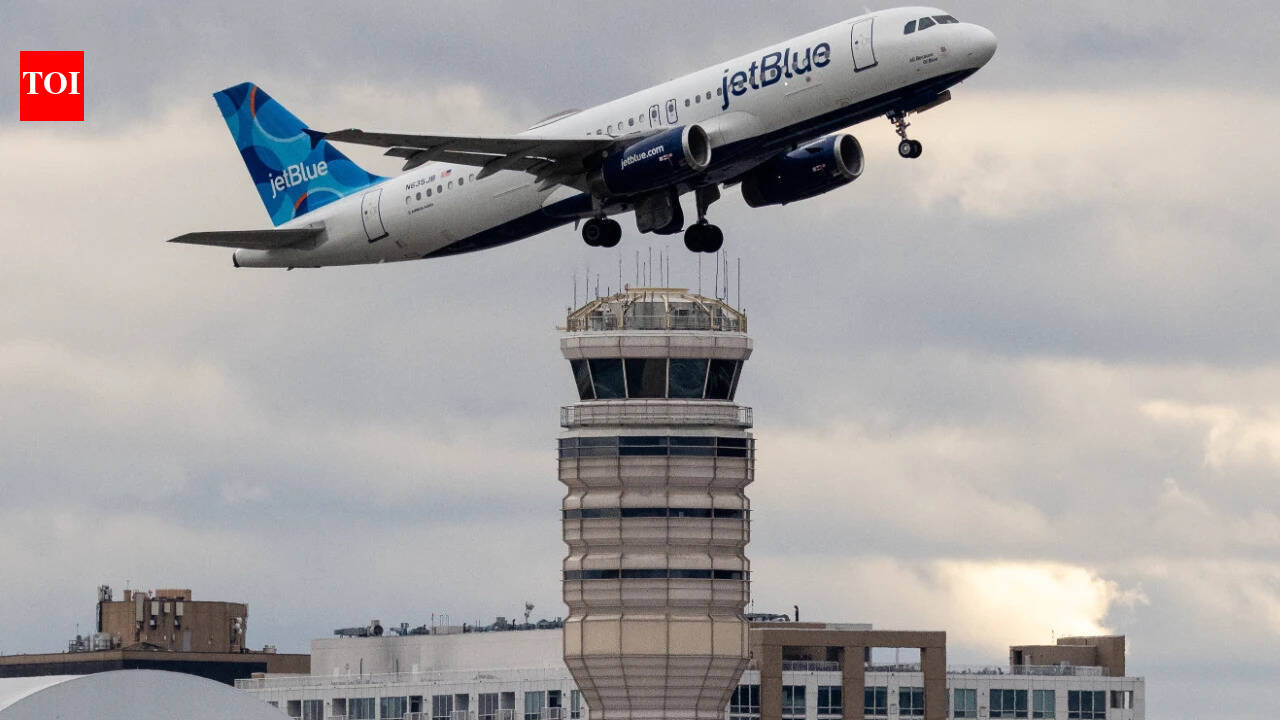
The U.S. air-traffic control system is struggling to recover from a massive technical failure that triggered a rare nationwide ground stop. Despite flights resuming, thousands of cancellations and delays persist as officials work to reposition crews and modernize aging infrastructure.
The Cascading Impact of the FAA System Failure
The United States aviation sector is currently grappling with the aftermath of a catastrophic technical failure that forced a rare nationwide ground stop of all departing flights. This disruption, which lasted over four hours, has created a logistical nightmare that experts estimate will take several days to fully resolve. Even after the Federal Aviation Administration (FAA) lifted the stop, the ripple effect has left thousands of passengers stranded and air-traffic operations in a state of disarray.
The Anatomy of the Disruption
The crisis originated from a technical failure within the FAA's infrastructure, which officials now attribute to the integration of new technology into an aging, antiquated air-traffic control system. This technological mismatch reportedly caused intermittent communication issues and radar gaps, leaving the agency with no choice but to ground all aircraft for the safety of the flying public. With over 3,500 planes in the air at the time of the initial announcement, the scale of the challenge in maintaining safety while managing ground traffic was unprecedented.
Logistical Challenges and Crew Displacement
Secretary of Transportation Sean Duffy has highlighted that the primary hurdle in restoring normalcy is not just the system itself, but the resulting displacement of personnel and equipment. Because the ground stop forced thousands of planes to remain on the tarmac or divert, flight crews and aircraft are now significantly out of position. As of Sunday, more than 5,000 flights were delayed and 2,000 cancelled, with officials cautioning that full operational stability may not return until Monday.
Infrastructure and Political Pressure
The incident has reignited a fierce political debate regarding the state of American infrastructure. President Donald Trump has publicly urged Congress to approve increased funding to modernize the nation’s air-traffic control systems, arguing that the reliance on outdated technology is a systemic risk. The fact that this was the longest nationwide ground stop in 25 years underscores the urgency of these calls for investment, as the current system struggles to handle the demands of modern aviation.
Economic and Social Consequences
The impact of this breakdown extends far beyond individual travelers. The chaos has forced professional and college sports teams to scramble for alternative transportation and has disrupted the movement of goods and services across the country. As the industry attempts to recover, the lingering uncertainty continues to plague airports, leaving millions of travelers anxious about the reliability of their future flight plans.
Looking Toward Future Stability
While the FAA has confirmed that its systems have been thoroughly tested and are currently stable, the recovery process remains fragile. The focus now shifts toward ensuring that such a failure does not recur. As the government evaluates the path forward, the necessity of replacing legacy systems has transitioned from a long-term goal to an immediate requirement to prevent future national gridlock in the U.S. airspace.
Multiple Citing Sources