Quad Summit likely to be held in Manila on November 17, sources say
Source Entity
India Latest News: Top National Headlines Today & Breaking News | The Hindu
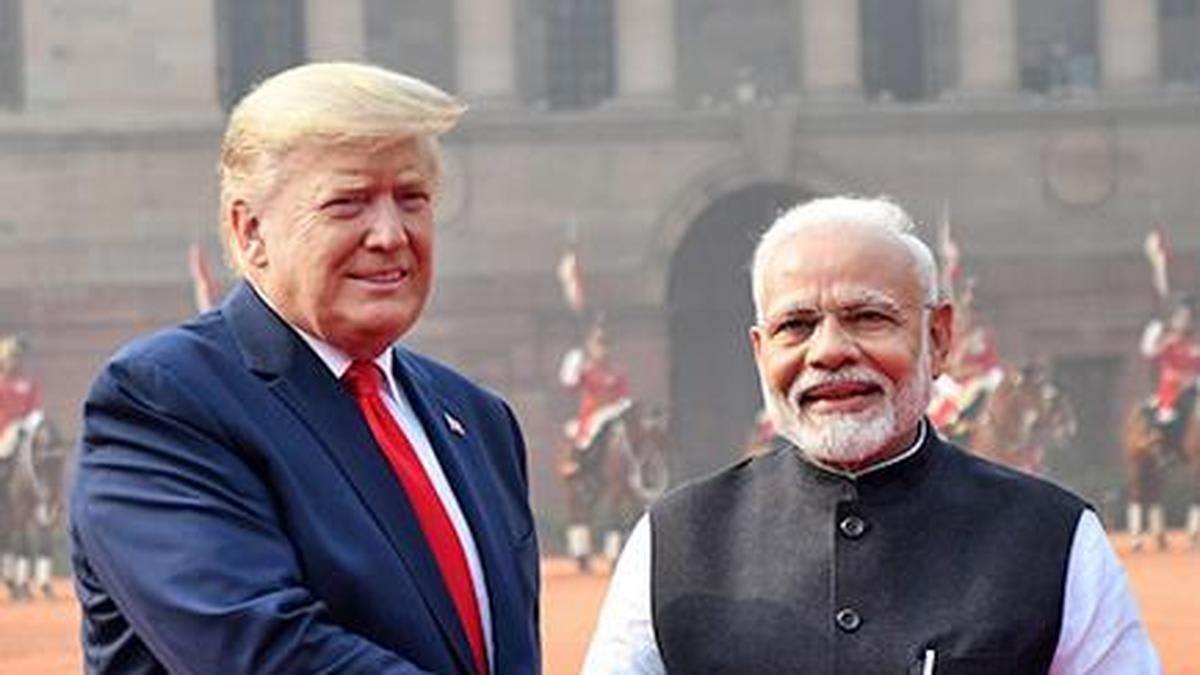
The Quad leaders are set to convene in Manila on November 17 for a summit focused on critical minerals, energy, and maritime security. This meeting is historic as it marks the first time the group has gathered in a non-Quad nation on the sidelines of the ASEAN summits.
A Historic Quad Summit in Manila
The upcoming meeting of the Quad leaders—representing India, the United States, Japan, and Australia—scheduled for November 17 in Manila, marks a pivotal moment in the grouping's evolution. By convening on the sidelines of the ASEAN summits in a non-Quad nation, the coalition is signaling a shift toward more flexible, high-impact diplomacy. This move underscores the group's intent to integrate its strategic objectives with broader regional frameworks, moving beyond the traditional formats that have defined its interactions since 2024.
Prioritizing Supply Chain Resilience
At the heart of the agenda is the critical issue of supply chain security. With global volatility impacting the availability of essential resources, the Quad is expected to focus heavily on critical minerals and energy supply chains. By aligning their industrial policies and resource management strategies, the four nations aim to reduce dependency on monopolistic supply chains, thereby fortifying their domestic economies against external shocks. This collaboration is a direct response to the increasing need for secure and sustainable energy transition pathways.
Maritime Security and Seafarer Safety
Beyond economic interests, the summit will address the safety of seafarers, a critical component of Indo-Pacific stability. As maritime trade routes remain the lifeblood of the global economy, ensuring the safety of those operating these vessels is paramount. The Quad’s focus here suggests a proactive approach to protecting international waters and upholding the rule of law, which is essential for maintaining the free and open maritime environment that the coalition has long championed.
The Geopolitical Context: Navigating Great Power Dynamics
While the Quad summit in Manila is a significant milestone, it is framed by a complex geopolitical backdrop. Much of the international attention is simultaneously fixed on the subsequent diplomatic movements of U.S. President Donald Trump, particularly his planned summit in Shenzhen with Chinese President Xi Jinping and Russian President Vladimir Putin. This convergence of high-stakes diplomatic meetings highlights the delicate balancing act required by the Quad nations as they attempt to advance their security agenda while managing the evolving nature of U.S.-China-Russia relations.
Future Trends and Strategic Outlook
Looking ahead, the decision to hold this summit in Manila suggests that the Quad is moving toward a more decentralized operational model. By embedding their meetings within existing regional architectures like ASEAN, the Quad leaders are attempting to minimize perceptions of exclusivity while maximizing their influence in the Indo-Pacific. This trend of 'diplomatic pragmatism' will likely define the grouping's trajectory in the coming years, as they seek to provide a stable, collaborative alternative to the increasingly competitive landscape of the region.
Conclusion
In summary, the November 17 summit represents a sophisticated evolution of the Quad. By focusing on tangible outcomes such as energy security and maritime safety, while simultaneously navigating the broader currents of global power politics, the leaders of India, the U.S., Japan, and Australia are establishing a robust framework for regional stability. The success of this meeting will likely serve as a benchmark for how the Quad balances its internal cohesion with the realities of a rapidly changing geopolitical environment.
Verification Required?