Jensen Huang eyes Nvidia return as ally plans ‘war room’: Report
Source Entity
The Indian Express
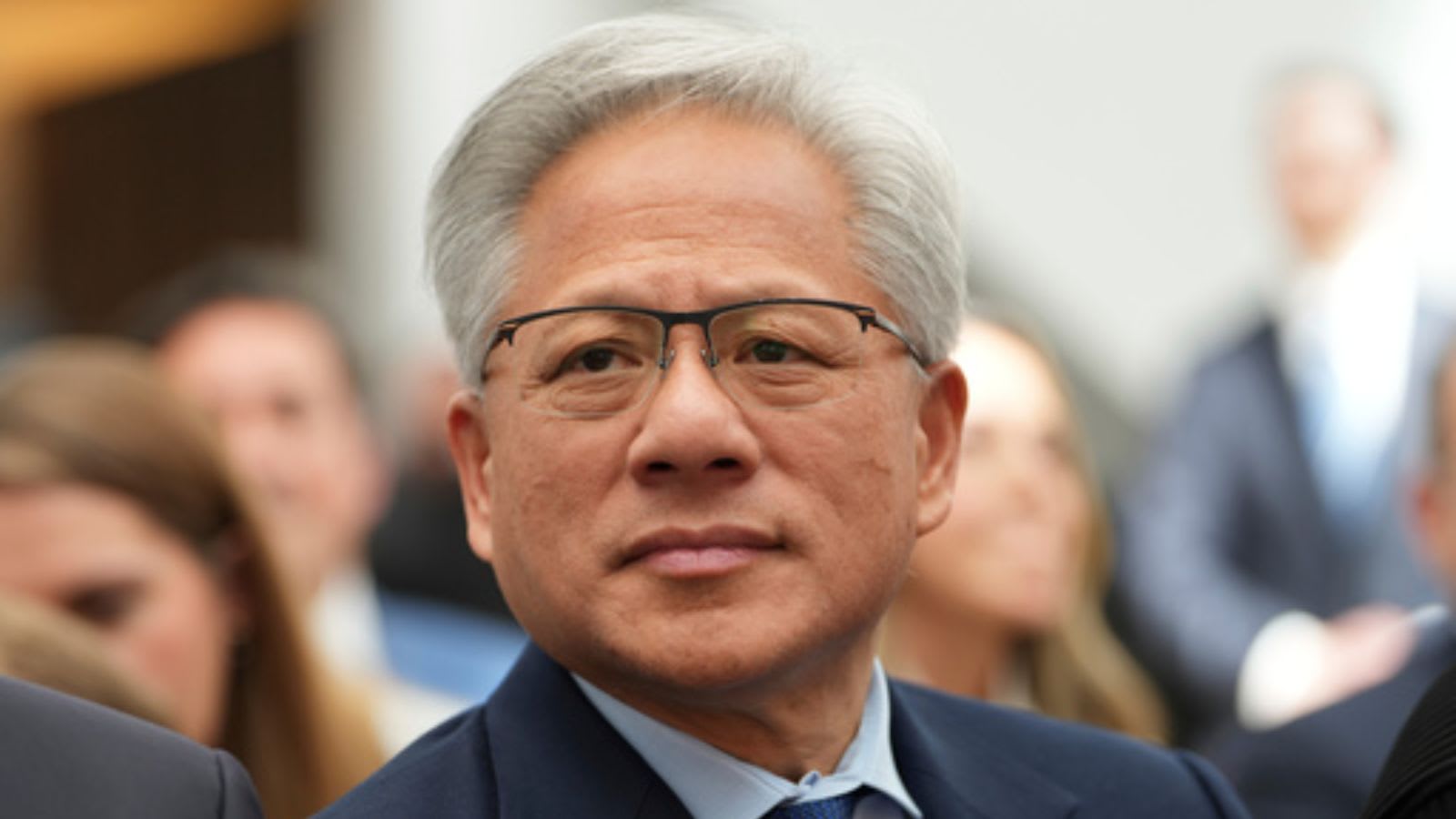
Nvidia faces a significant leadership crisis following the resignation of long-time CEO Jensen Huang. Industry experts, including Elon Musk, warn that the company's reliance on Huang's personal relationships threatens its future supply chain stability.
The Unprecedented Leadership Crisis at Nvidia
The technology sector is currently reeling from the sudden resignation of Jensen Huang, the co-founder who has been synonymous with Nvidia since its inception in 1993. For over three decades, the identity of the company has been inextricably linked to Huang’s leadership, making his departure not just a corporate transition, but a fundamental shift in the AI ecosystem. The gravity of this situation is amplified by recent reports suggesting that Huang had been the target of a Chinese spy plot, raising complex questions about national security and the vulnerability of the United States' AI infrastructure.
The Fragility of Personal Diplomacy
Elon Musk has emerged as a vocal critic of the transition, warning that Nvidia faces the loss of 'critical' deals following Huang’s exit. Musk’s assessment highlights a unique structural weakness within the semiconductor industry: the reliance on 'handshake agreements' over rigid, written contracts. For decades, Huang personally cultivated deep-rooted relationships with Asian semiconductor manufacturers. These partnerships were built on mutual credibility and long-term commitment, rather than standard buyer-supplier dynamics, creating a proprietary network of trust that is notoriously difficult to replicate.
Strategic Vulnerabilities and Supply Chain Risks
Nvidia currently serves as the backbone of the US AI ecosystem. If one were to map the architecture of modern artificial intelligence, Nvidia would occupy the central node. The loss of the person who architected this supply chain—and who navigated the delicate geopolitical landscape of manufacturing—leaves the company in a precarious position. The concern is that without Huang’s personal oversight, the intricate web of agreements that secures Nvidia’s hardware production could unravel, potentially disrupting the global AI supply chain.
Historical Context and The Silicon Achilles' Heel
Jensen Huang’s tenure was marked by a 'brilliant' management of the supply chain, a feat that transformed Nvidia from a niche graphics card manufacturer into a trillion-dollar juggernaut. However, the current crisis exposes what some analysts describe as America's 'Silicon Achilles' Heel': an over-reliance on individual charisma and singular leadership figures to manage critical international infrastructure. This model, while highly effective during periods of growth, lacks the institutional redundancy required to survive the departure of a foundational leader under duress.
Future Implications for the AI Industry
The fallout from this leadership crisis will likely force a re-evaluation of how major tech firms handle executive succession and international partnership management. As Nvidia navigates this transition, the industry will be watching to see if the company’s institutional processes can withstand the absence of its most recognizable face. Whether the firm can move from a 'trust-based' model to a more formalized, contract-driven operational structure will determine its ability to maintain its dominance in the hyper-competitive AI hardware market.
Multiple Citing Sources