Manas AI's CEO speaks on AI’s rise, drug discovery & India-China’s role | htls 2026
Source Entity
Latest News: Todays Latest News Headlines from India & World | Hindustan Times
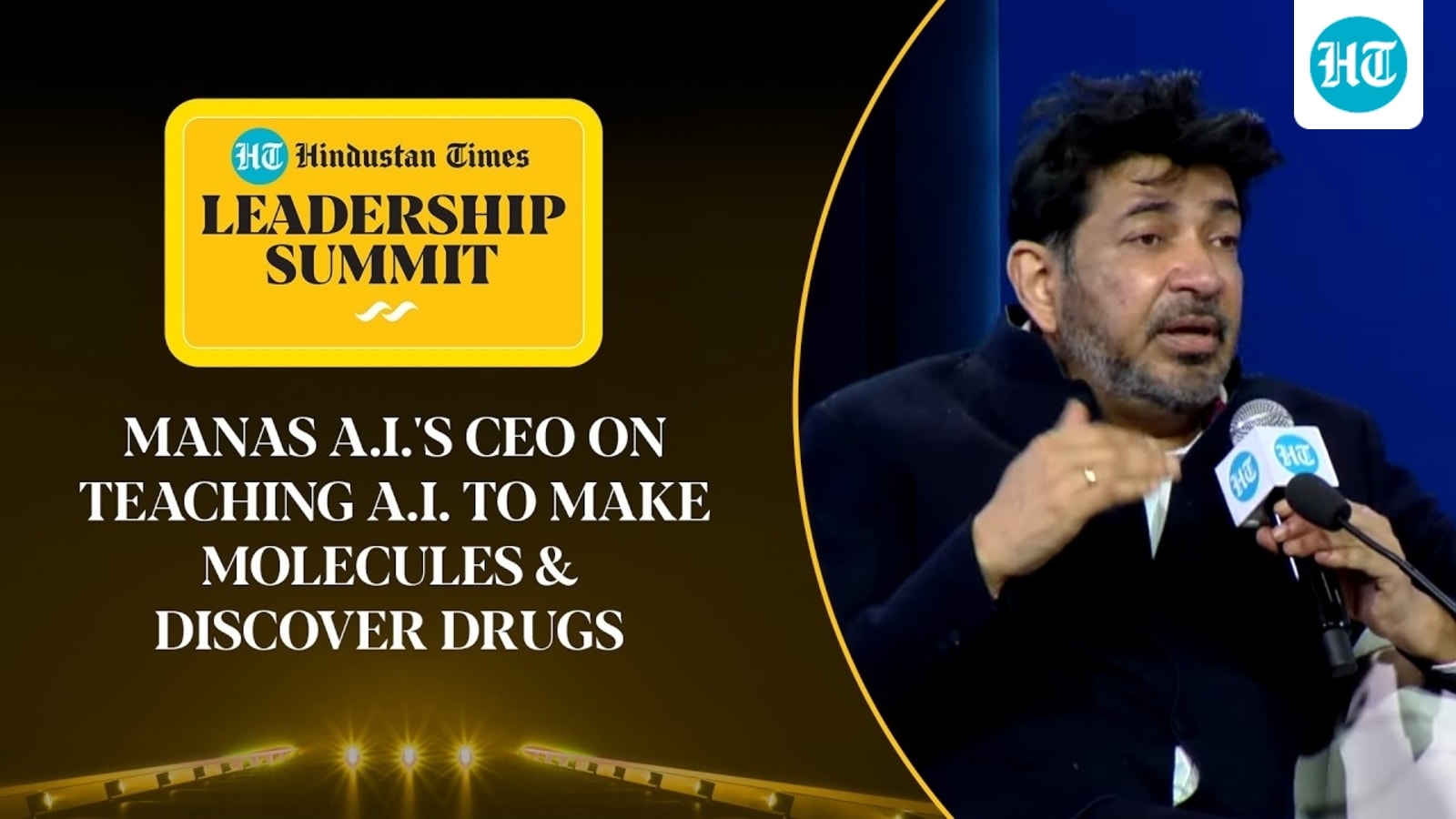
Manas AI CEO Siddhartha Mukherjee discussed the evolution of AI and its transformative potential in medicine at the HTLS 2026. He emphasized that while AI offers breakthroughs in drug discovery, a universal cancer cure remains unlikely due to the biological complexity of different cancer types.
The Evolution of Artificial Intelligence: From Deep Blue to Neural Learning
At the Hindustan Times Leadership Summit 2026, Siddhartha Mukherjee, CEO of Manas AI, provided a retrospective on the trajectory of artificial intelligence. He anchored this evolution in the landmark 1997 victory of IBM’s Deep Blue supercomputer over world chess champion Garry Kasparov. This event served as a foundational moment for human-machine competition, illustrating the early power of symbolic AI. However, Mukherjee noted that modern advancements have shifted toward neural learning, which more closely mirrors human cognitive processes. He argued that human intelligence is not merely a byproduct of symbolic systems but a complex synergy of neural learning and symbolic reasoning, a framework that continues to guide the development of sophisticated AI models.
The Dual Nature of Rapid AI Advancement
While acknowledging the immense power of current AI systems, Mukherjee expressed concerns regarding their rapid, unchecked proliferation. The global apprehension surrounding these technologies is rooted in their potential for transformative impact, which can be both beneficial and dangerous. By focusing on the application of AI within the medical sector, Mukherjee suggested that the tangible, life-saving outcomes of the technology—specifically in drug discovery—could serve to mitigate public skepticism and provide a clearer ethical path for the future of the field.
Navigating the Complexity of Oncology
One of the most critical aspects of Mukherjee’s address was his pragmatic outlook on the search for a cure for cancer. He cautioned against the misconception that a single, universal cure exists for all oncological diseases. Highlighting that every cancer is biologically distinct, he noted that while significant strides have been made in treating breast cancer, leukaemias, and lymphomas, other forms such as pancreatic and gastrointestinal cancers remain formidable challenges for modern medicine.
Breakthroughs in Targeted Therapy
Mukherjee cited the development of a KRAS-targeting drug as a significant milestone in oncology. This breakthrough, which involved approximately a decade of dedicated research, exemplifies how targeted therapies are shifting the paradigm of cancer treatment. By focusing on specific genetic drivers of disease, the medical community can bypass the limitations of 'one-size-fits-all' treatments, addressing the unique molecular signatures of various cancer types.
Ethics and Methodologies in Medical AI
Addressing the integration of AI into clinical research, Mukherjee warned against the risks of data bias, famously coining the term “Bibo” (bias in, bias out). To ensure the integrity of medical AI, he advocated for the continued use of randomized, blinded clinical trials, which remain the gold standard for objectivity. Furthermore, he proposed that the use of synthetic controls, derived from simulated or historical data, could dramatically accelerate the pace of clinical trials, provided that the underlying data is rigorously vetted to prevent the perpetuation of existing biases.
A Balanced Path Forward
In conclusion, the discourse provided by Siddhartha Mukherjee at HTLS 2026 underscores a transition from the era of brute-force computational power to an era of nuanced, data-driven medical innovation. While the potential of AI to revolutionize drug discovery is undeniable, the path forward requires a cautious approach that balances technological speed with scientific rigor and ethical considerations. As AI continues to evolve, its success will likely be measured not by its ability to master games, but by its capacity to solve the most complex, granular biological challenges facing humanity.
Multiple Citing Sources
Verification Required?