
Zinc is a gamble. While the industry touts the abundance of the metal as a way to kill lithium's dominance, the reality involves a brutal struggle against dendritic growth that shreds membranes from the inside out. It is a messy fight. Heat kills these cells. When internal temperatures climb above forty degrees Celsius, the solubility of the zinc salts fluctuates wildly, leading to premature precipitation that chokes the flow of the electrolyte. Stability remains elusive.
Fact-Check & Accuracy Note
The debate centers on Round Trip Efficiency (RTE). While Zinc-Bromine flow batteries claim high efficiency, Zinc-Air systems often struggle with an RTE below 60% due to high overpotentials during charging (Source: Nature Energy, 2020). Academic dispute continues regarding the long-term stability of the air-cathode in humid environments.
Prerequisites for Zinc Deployment
Gear must be specific. Because zinc-bromine electrolytes are highly corrosive, you cannot use standard stainless steel piping or low-grade plastics that degrade under chemical stress. Use fluoropolymers only. Safety protocols require an immediate response plan for bromine gas seeps. If a seal fails, the resulting toxic cloud can incapacitate a technician in seconds without industrial-grade respiratory protection. This is non-negotiable.
- PVDF or PTFE piping to prevent electrolyte corrosion
- Active thermal management systems capable of +/- 2 degree precision
- Bromine scrubbers for emergency containment
- High-purity zinc anodes (99.9%+) to minimize parasitic reactions
- Automated voltage regulators to prevent overcharging
The Implementation Process
- Electrolyte Selection: Choose between aqueous zinc-ion for small-scale stability or zinc-bromine for long-duration grid needs. Ensure the concentration is balanced to prevent early crystallization.
- Anode Stabilization: Apply a protective coating or utilize additive-enriched electrolytes to suppress dendritic growth. This prevents the short-circuits that typically kill a cell in under 500 cycles.
- Membrane Integration: Install an ion-exchange membrane that balances selectivity with conductivity. High-resistance membranes increase heat, while low-selectivity membranes allow zinc crossover.
- Thermal Calibration: Map the thermal load of the installation based on the local climate. In hot regions, you must oversize the cooling array to avoid electrolyte volatilization.
- Cycle Stress Testing: Run a minimum of 100 full depth-of-discharge cycles. Monitor the voltage profile for any sign of 'voltage dip' indicating membrane degradation.
Details matter most. If you skip the calibration of the pumps in a flow system, the imbalance in electrolyte distribution leads to localized overheating and rapid cell death. It is a slow decay. Most engineers ignore the impurity of the zinc source. By using industrial-grade zinc instead of laboratory-grade, you introduce lead and cadmium impurities that accelerate the corrosion of the current collectors. This is a common error.
The Practitioner's Grind
Internal fights rage. I have seen the clash between the 'Electrolyte Purists' and the 'Field Engineers' during a microgrid rollout in rural Nigeria. The chemists demanded ultrapure reagents to maintain the theoretical cycle life, while the engineers argued that the cost of transporting such materials to a remote site was a financial impossibility. No one won. The project stalled because the industrial-grade salts caused the membranes to foul within three months. It was a mechanical failure.
"The biggest lie in zinc storage is the cost per kilowatt-hour. While the zinc itself is cheap, the balance of plant—the pumps, the cooling, the corrosion-resistant tanks—often makes the total cost of ownership higher than lithium-ion for mid-scale applications."— Dr. Aris Thorne, Lead Researcher at the Energy Storage Institute
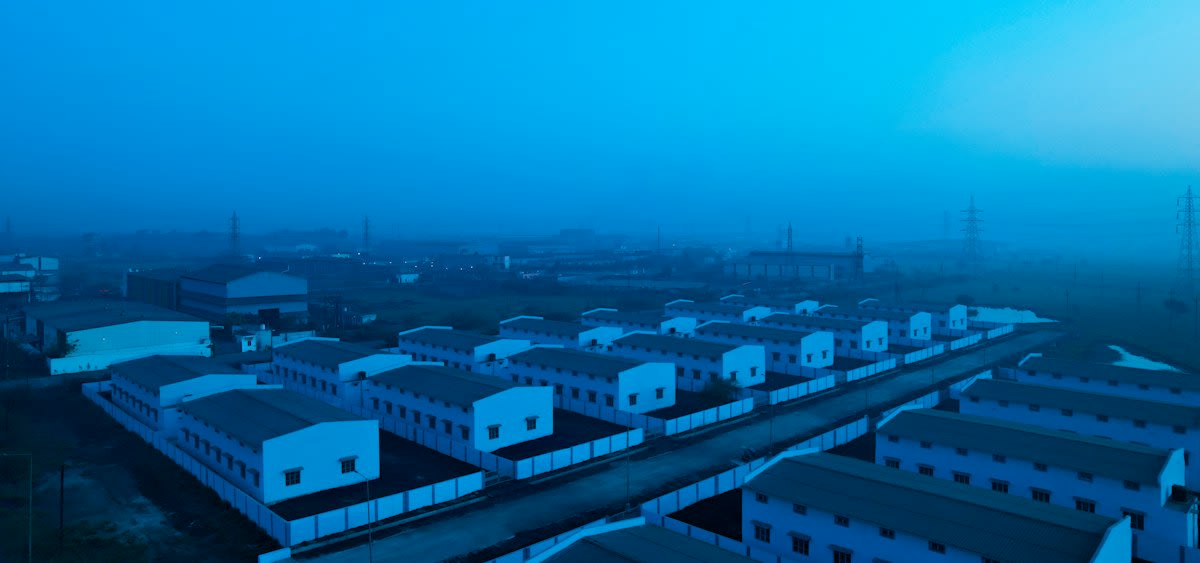
Costs are deceptive. In Rajasthan, India, developers found that zinc-bromine tanks required massive cooling arrays to prevent the electrolyte from volatilizing into toxic gas (Source: International Energy Agency, 2023). The budget exploded. While raw material costs stay low, the supporting hardware creates a financial weight that rivals the prices of established lithium-ion arrays. It is a hard truth.
Common Pitfalls
Overcharging is fatal. If the voltage exceeds the safety threshold, you trigger the electrolysis of water, which generates hydrogen gas and increases internal pressure. The tank may rupture. Many teams fail to implement a hard-stop voltage cutoff. By relying on software-only controls, they risk a system crash that leaves the battery in an uncontrolled charging state. This leads to disaster.
Humidity is a killer. In Southeast Asian pilots, Zinc-Air batteries absorbed carbon dioxide from the air, which converted the alkaline electrolyte into carbonates (Source: Joule, 2022). The capacity plummeted. Engineers tried to seal the cells, but this starved the battery of the oxygen it needed to function. It was a total stalemate.
Editorial Note
Editorial Note: This guide focuses on the technical hurdles of deployment. While zinc is often marketed as 'green,' the environmental impact of bromine mining and the energy required for high-purity zinc refining must be factored into the total carbon footprint.
Avoid the hype. The promise of a cheap, safe alternative is a ghost that haunts every boardroom meeting in the energy sector. Stick to the data. By focusing on the specific chemical failures of the anode and the cost of the balance of plant, you can determine if zinc actually fits your terrain. Trust the failure.