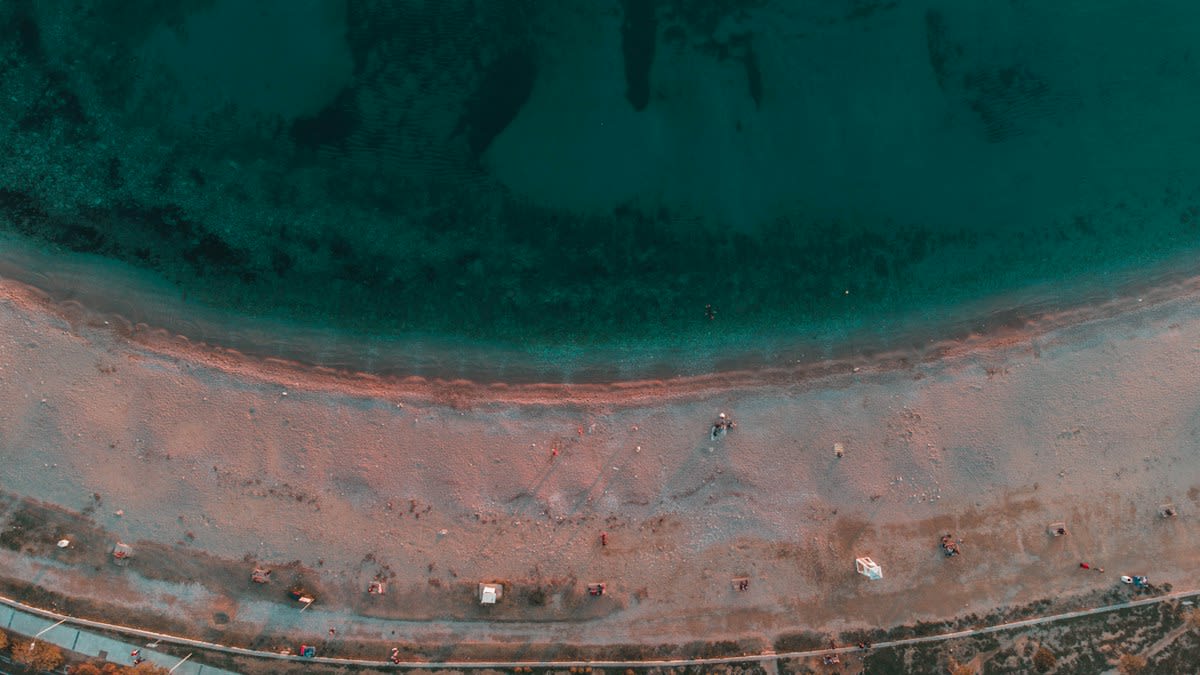
Salt kills everything. Conventional wisdom dictates that sodium chloride destroys the osmotic balance of a plant, effectively sucking the life out of the root system before the seed can even breathe. We were wrong. Why do we assume the ocean is a boundary rather than a resource? The obsession with freshwater irrigation has blinded us to the saline terrain.
Arable land is finite. For decades, the global food web has relied on the desperate expansion of freshwater frontiers, ignoring the millions of hectares of saline-alkali soil that sit dormant (Source: FAO, 2021). This is a failure of imagination. By engineering rice that thrives in brackish water, we stop fighting the ocean and start using its weight.
The Halophytic Hard Turn
The science is brutal. Researchers at the Chinese Academy of Sciences have spent years isolating genes that allow rice to exclude sodium while absorbing potassium in environments that would wither any standard Indica variety (Source: Chinese Academy of Sciences, 2022). It is a mechanical victory. This process transforms the coast from a wasteland into a productive zone.
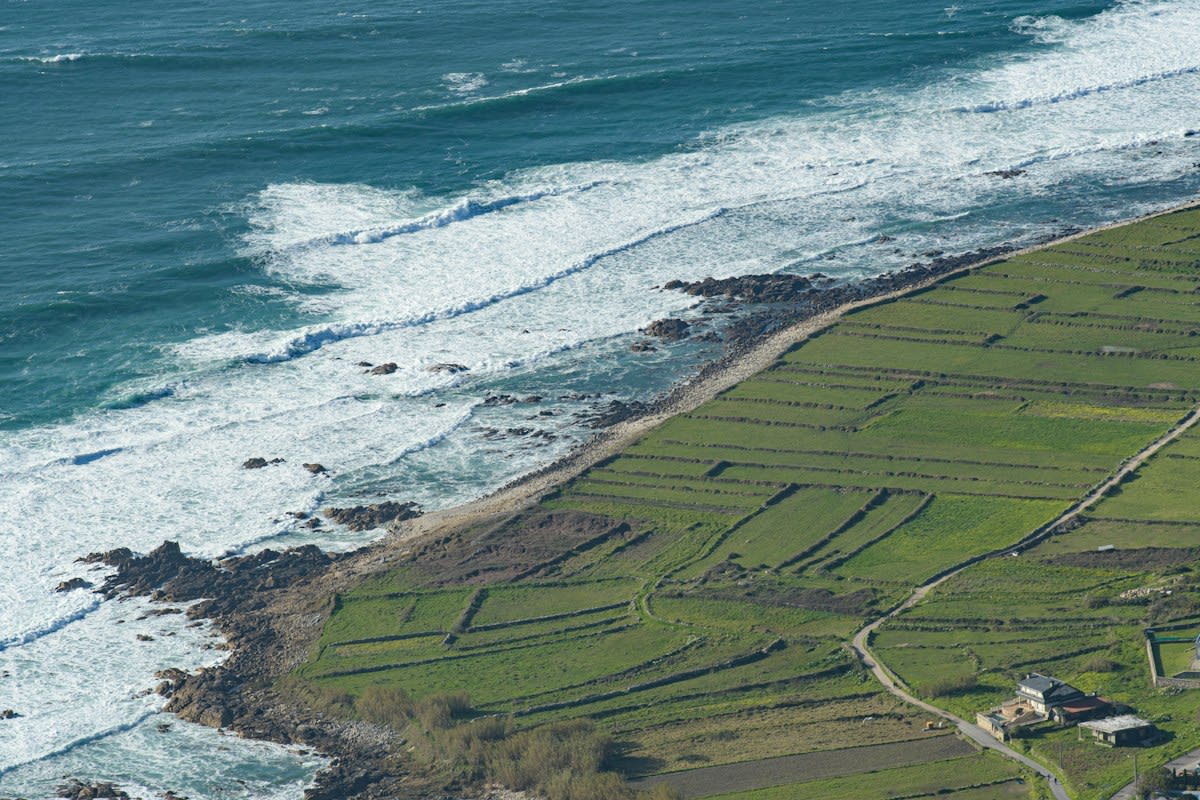
Yields are climbing. While early prototypes struggled with grain quality, the latest iterations of sea-rice are hitting 3 to 5 tons per hectare in soils with salinity levels exceeding 0.3% (Source: Nature Communications, 2021). The gap is closing. We are seeing a fundamental change in the default of coastal farming.
"The ability to cultivate food on saline land is not just an agricultural achievement; it is a strategic reclamation of territory that the world had written off as dead."— Zhang Fugui, Lead Researcher at the Chinese Academy of Sciences
Geography is destiny. In Vietnam and Bangladesh, the encroaching sea is usually viewed as a thief that steals the soil from the farmer's grip. This narrative is tired. These regions possess the exact saline conditions required for halophytic dominance.
| Crop Variety | Salinity Tolerance (NaCl %) | Average Yield (t/ha) | Water Requirement |
|---|---|---|---|
| Standard Indica | 0.1% - 0.2% | 4.5 - 6.0 | High Freshwater |
| Sea-Rice (Gen 1) | 0.3% - 0.6% | 2.0 - 3.5 | Brackish/Sea Water |
| Sea-Rice (Gen 2) | 0.6% - 0.9% | 3.0 - 5.0 | Brackish/Sea Water |
The boardrooms lie. Executives at global seed firms push the narrative of 'climate-smart' seeds while ignoring the fact that sea-rice is a disruptive force that removes the need for expensive irrigation infrastructure (Source: World Bank, 2023). The cost is negligible. The profit is found in the reclamation of 'useless' land.
Industry friction is real. On the ground in the Yellow River Delta, I have seen the visceral clashes between traditional rice farmers and the state-led push for halophytic crops. Farmers fear 'salt-creep', the suspicion that sea-rice will permanently alter the chemistry of neighboring freshwater plots. It is a territorial war. Seed distributors often hide the failure rates of first-generation hybrids to keep subsidies flowing.
Purity is a myth. The idea that we can keep the ocean at bay with dikes and pumps is a fantasy of the twentieth century. We must adapt. The weight of the rising sea is an inevitability that we can either fight or harvest.
Markets will react. As freshwater becomes more expensive to pump and treat, the cost-per-calorie of sea-rice will plummet relative to traditional crops (Source: Global Food Security Index, 2022). This is a hard turn. The economic center of gravity is moving toward the coast.
- Removal of freshwater dependence for baseline caloric production.
- Conversion of saline-alkali wasteland into high-yield zones.
- Reduction in the need for chemical soil amendments to counteract salinity.
- Diversification of the coastal economic base in Southeast Asia.
Scale is the challenge. Moving from experimental plots to millions of hectares requires a logistical web that most governments are not prepared to manage. The seeds are ready. The will is lacking.
Fact-Check & Accuracy Note
The primary debate among agronomists centers on the long-term effect of sea-rice on soil micronutrients. While sodium is managed by the plant, the accumulation of other salts in the topsoil may lead to a secondary mechanical failure of the soil structure over several decades. Most data currently comes from Chinese state-funded studies, and independent longitudinal data from other continents is sparse.
The game has changed. We no longer need to pray for rain when the tide provides the water and the salt provides the challenge. This is the new default. The era of the freshwater monopoly is over.
Editorial Note
This analysis avoids the alarmist 'food crisis' narrative common in mainstream media. Instead, it focuses on the technical adaptation and the economic opportunity presented by halophytic agriculture.