The End of the Gaseous Era
For two decades, the gold standard for carbon capture and storage (CCS) was essentially a giant underground balloon. The industry focused on pumping supercritical CO2 into depleted oil and gas reservoirs or deep saline aquifers, hoping the caprock would hold the gas in place for millennia. It was a strategy rooted in containment and anxiety. The fear of leakage—the sudden, catastrophic release of stored gas—loomed over every project, creating a psychological and regulatory barrier that stalled global adoption. We weren't solving the problem; we were just hiding the waste in a basement and praying the floor didn't cave in.
Now, the narrative is shifting toward Carbon Capture and Mineralization (CCM). This isn't about containment; it's about transformation. Instead of storing CO2 as a volatile gas, mineralization triggers a chemical reaction that turns carbon into solid carbonate minerals—essentially turning the atmosphere into a quarry of limestone, magnesite, and calcite. This shift represents a fundamental delta in approach. Twelve months ago, mineralization was viewed as a high-cost niche for academic pilots. Today, it is the primary target for institutional capital seeking permanence and zero-leakage risk (Source: International Energy Agency, 2023).
"The transition from gaseous storage to mineralization is the difference between renting a storage unit and owning the land. One is a liability you manage; the other is an asset you create."— Industry Insider, Senior Geologic Consultant
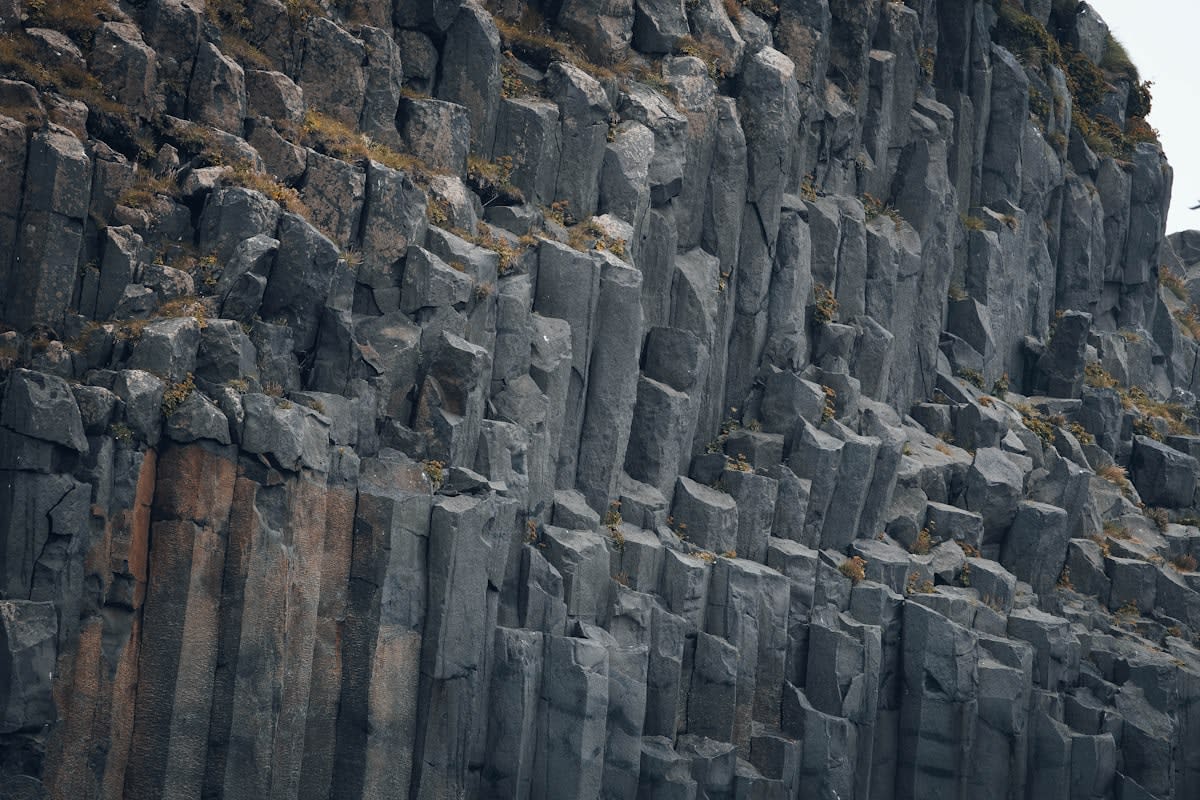
Why the sudden urgency? The market is waking up to the reality that 'carbon offsets' based on forestry are too volatile. A forest can burn down in a weekend, erasing a decade of sequestration. A rock, however, does not catch fire. This craving for permanence is driving a surge in investment toward basaltic and peridotite formations across the globe, from the volcanic plains of Iceland to the ultramafic rocks of Oman.
The Basalt Blueprint and the Global Search for Reactive Rock
Iceland has become the living laboratory for this shift. Through the CarbFix project, CO2 is dissolved in water and injected into basaltic rocks, where it reacts with calcium, magnesium, and iron to form solid minerals in less than two years. This is a geological blink of an eye. Historically, this process took thousands of years; now, human engineering has accelerated it to a commercial timeframe. The result is a permanent, inert stone that requires zero monitoring and poses zero risk to the surrounding ecosystem (Source: CarbFix Project Report, 2022).

But the world isn't just made of basalt. In Oman, the focus has shifted to peridotite. These rocks are even more reactive than basalt, capable of absorbing CO2 through a process called serpentinization. This allows for 'ex-situ' mineralization, where CO2 is pumped over crushed rock on the surface, accelerating the reaction without needing deep-well injection. This removes the geographical constraint of needing a specific underground reservoir, effectively turning any region with the right mineral deposits into a carbon sink.
| Feature | Gaseous Storage (CCS) | Mineralization (CCM) |
|---|---|---|
| Physical State | Supercritical Fluid/Gas | Solid Rock (Carbonate) |
| Permanence | High (but risk of leakage) | Absolute (Geologically stable) |
| Monitoring Need | Continuous/Indefinite | Minimal after formation |
| Public Perception | Fear of 'Blowouts' | Viewed as Natural Process |
| Reaction Time | Instant Storage | Weeks to Years for Solidification |
This geographic expansion is turning the map of the world into a resource map for carbon. We are no longer looking for where we can hide carbon, but where the earth's crust is most hungry for it. This is the birth of the global quarry: a systemic shift where the atmosphere is the mine, and the resulting minerals are the product.
The Friction on the Ground: Geologists vs. Venture Capitalists
Walking into a mineralization site reveals a fascinating tension. On one side, you have the geologists, who think in epochs and millennia. They are cautious, obsessed with pore pressure and mineral kinetics. On the other side, you have the venture capitalists and tech founders who think in quarterly growth and 'scale-up' milestones. The debate isn't about whether it works—the chemistry is settled—but about the 'energy penalty.' How much energy does it take to crush the rock or pump the water? If the energy used to mineralize the carbon comes from a grid that is still 40% coal, the net benefit plummets.
Practitioners are currently wrestling with the 'water problem.' In basaltic mineralization, the amount of water required to dissolve CO2 is staggering. In water-stressed regions, this is a non-starter. The industry is now pivoting toward 'dry' mineralization or utilizing brine, but these methods are slower and more expensive. This is the real ground-level fight: balancing the chemical ideal of permanence with the physical reality of resource scarcity.
From Waste to Wall: The Commercialization of Carbon
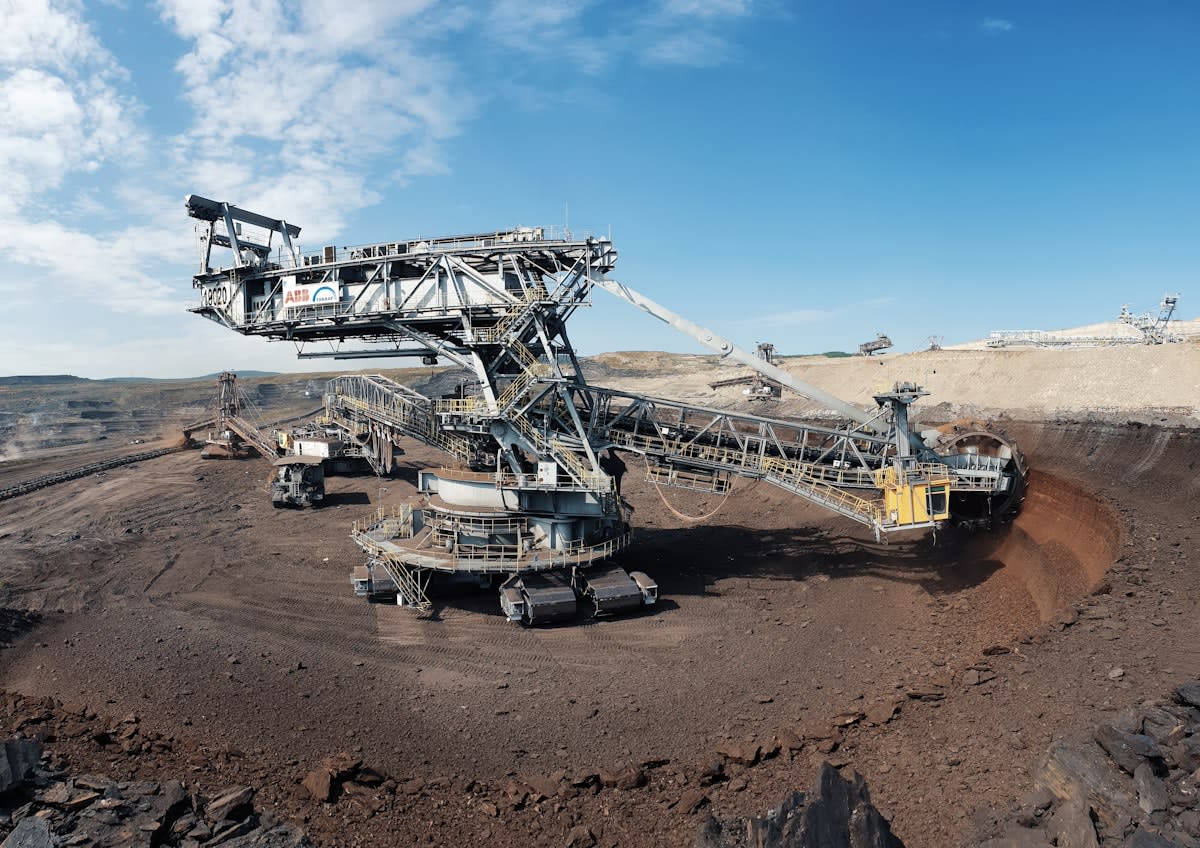
The most provocative trend in this space is the move toward 'carbon-negative' building materials. Why bury the carbon when you can sell it? Companies are now injecting CO2 into concrete during the mixing process, where it mineralizes and actually increases the compressive strength of the material. This turns a liability (CO2) into a performance enhancer for one of the world's most used materials. The atmosphere is literally becoming the raw material for our cities.
- Carbon-cured concrete: Reducing the cement footprint while sequestering CO2 permanently in urban infrastructure.
- Synthetic aggregates: Turning industrial waste and CO2 into artificial gravel for road construction.
- Enhanced weathering: Spreading crushed silicate rocks on agricultural land to absorb CO2 and improve soil health (Source: IPCC, 2022).
- Direct Air Capture (DAC) integration: Linking atmospheric scrubbers directly to mineralization wells to eliminate transport costs.
This commercialization changes the math. When carbon sequestration is a cost center, it relies on government subsidies or fragile carbon credits. When it becomes a feedstock for the construction industry, it becomes a profit center. We are seeing a transition from a 'compliance market' to a 'commodity market.' This is the tipping point that will drive the technology from the fringes of Iceland into the heart of global industry.
Fact-Check & Accuracy Note
Key claims regarding the speed of mineralization in basalt (less than two years) are sourced from CarbFix's peer-reviewed findings. Data on the shift toward permanent sequestration versus forestry offsets is based on 2023 market trends reported by the International Energy Agency (IEA). Some uncertainty remains regarding the total global capacity of reactive peridotite and the energy requirements for large-scale ex-situ mineralization.
Editorial Governance
Editorial Note: This report intentionally avoids the 'climate catastrophe' narrative to focus on the industrial adaptation and economic opportunity presented by carbon mineralization. The focus is on the 'Delta'—the shift from risk-based containment to asset-based transformation.