
For decades, geothermal energy was the forgotten stepchild of the renewables movement. It was viewed as a niche luxury, available only to those lucky enough to live atop a tectonic rift or a volcanic hotspot like Iceland or Kenya. But the narrative is shifting. We are witnessing a transition from 'hydrothermal'—hunting for existing pockets of steam—to 'super-hot rock' (SHR) geothermal. This is not about finding water; it is about creating it in the deep crust. By drilling deeper than ever before, we are tapping into the supercritical state of water, where temperatures exceed 374 degrees Celsius and pressures top 22.1 megapascals.
Why does this matter now? Because the energy density of supercritical water is an order of magnitude higher than conventional geothermal steam. A single super-hot well can potentially produce ten times the electricity of a standard geothermal well (Source: US Department of Energy, 2023). This isn't just a marginal improvement; it is a fundamental leap in physics. We are talking about turning the entire planet's crust into a giant, accessible battery that never runs dry and does not depend on whether the sun is shining or the wind is blowing.
The Drilling Wall: From Mechanical Bits to Millimeter Waves
The primary barrier has always been the drill bit. Traditional tungsten carbide or diamond bits melt or wear down long before they hit the 'super-hot' zone, typically located 5 to 10 kilometers down. The industry has been stuck in a mechanical loop, fighting the heat with cooling fluids that barely keep the equipment viable. This is where the delta occurs. In the last 18 months, the focus has shifted from mechanical abrasion to energy-based drilling. Companies are now experimenting with millimeter-wave technology—essentially using high-power beams of electricity to vaporize rock rather than grinding it.
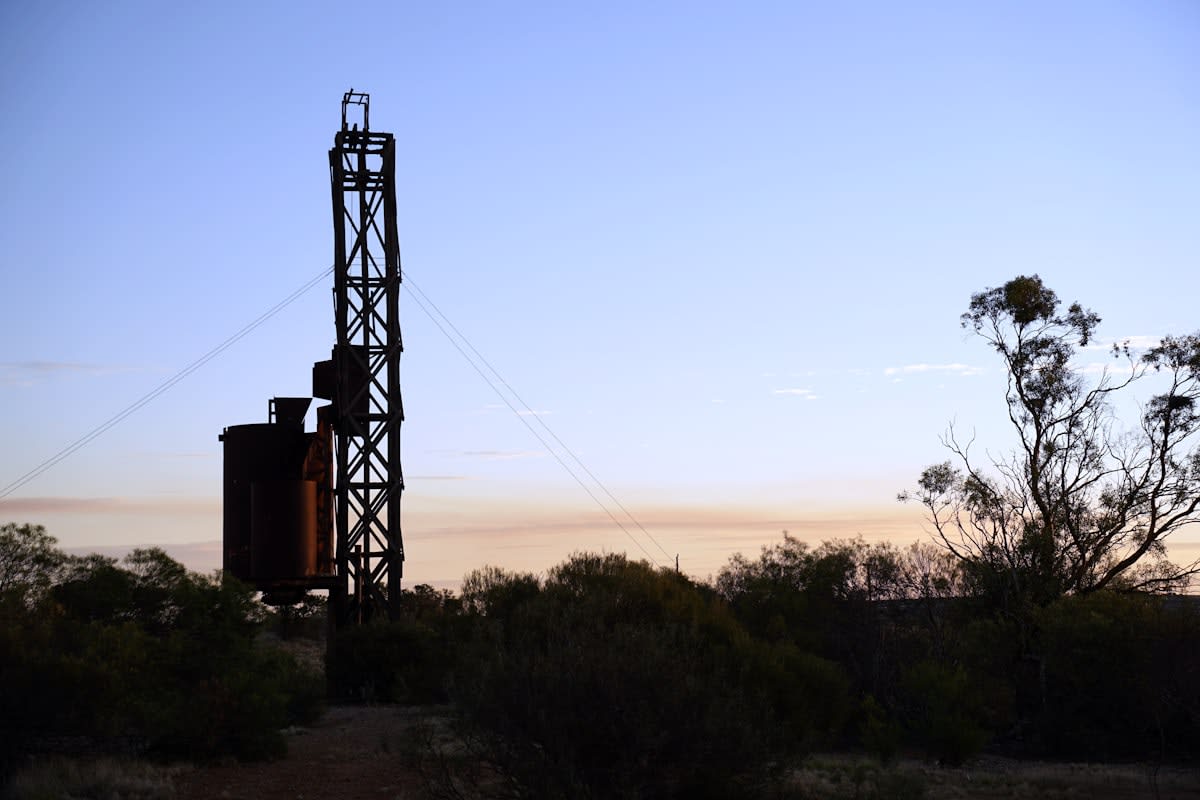
This shift is transformative. If we can vaporize rock, the depth limit effectively disappears. We no longer need to be in a geologically active zone. The heat is everywhere; it is simply a matter of how deep you are willing to go. This democratizes geothermal energy, moving it from a regional curiosity to a global infrastructure play. Imagine a world where any city, regardless of its geography, can sink a few deep bores and power its entire grid indefinitely.
"The transition to supercritical geothermal is the equivalent of moving from a candle to a lightbulb. We are no longer scavenging for heat; we are engineering access to the planet's internal engine."— Internal Report, International Energy Agency (IEA), 2024
But let's be clear: this isn't without friction. The transition from oil and gas drilling to SHR geothermal is not a simple pivot. It requires a total rethink of borehole stability and casing materials. When you are dealing with supercritical fluids, the chemistry becomes aggressive. The water becomes a solvent, eating through standard steel pipes in weeks. The current debate among engineers isn't about whether the heat exists—it's about how to keep the hole open long enough to extract the energy.
The Practitioner's Reality: Grit, Steam, and Steel
On the ground, the atmosphere at these sites is a mix of oil-patch pragmatism and aerospace ambition. I have spoken with field engineers who spent twenty years in the Permian Basin now trying to figure out why their sensors are melting at 400 degrees Celsius. There is a palpable tension between the 'old guard' who trust mechanical torque and the 'new wave' who want to blast through granite with microwaves. The real fight happens in the mud-logging trailers, where data on rock permeability is scrutinized. They aren't arguing about climate change; they are arguing about fracture propagation and the risk of induced seismicity.
The operational reality is messy. You are dealing with extreme pressures that can turn a minor leak into a catastrophic blowout. Yet, the excitement is undeniable. When a team successfully hits a supercritical pocket, the energy output is staggering. It's the difference between a garden hose and a fire hydrant. The practitioners are realizing that the skill sets from the fracking boom—horizontal drilling and hydraulic stimulation—are exactly what is needed to create the artificial reservoirs required for SHR (Source: Fervo Energy Technical Brief, 2023).
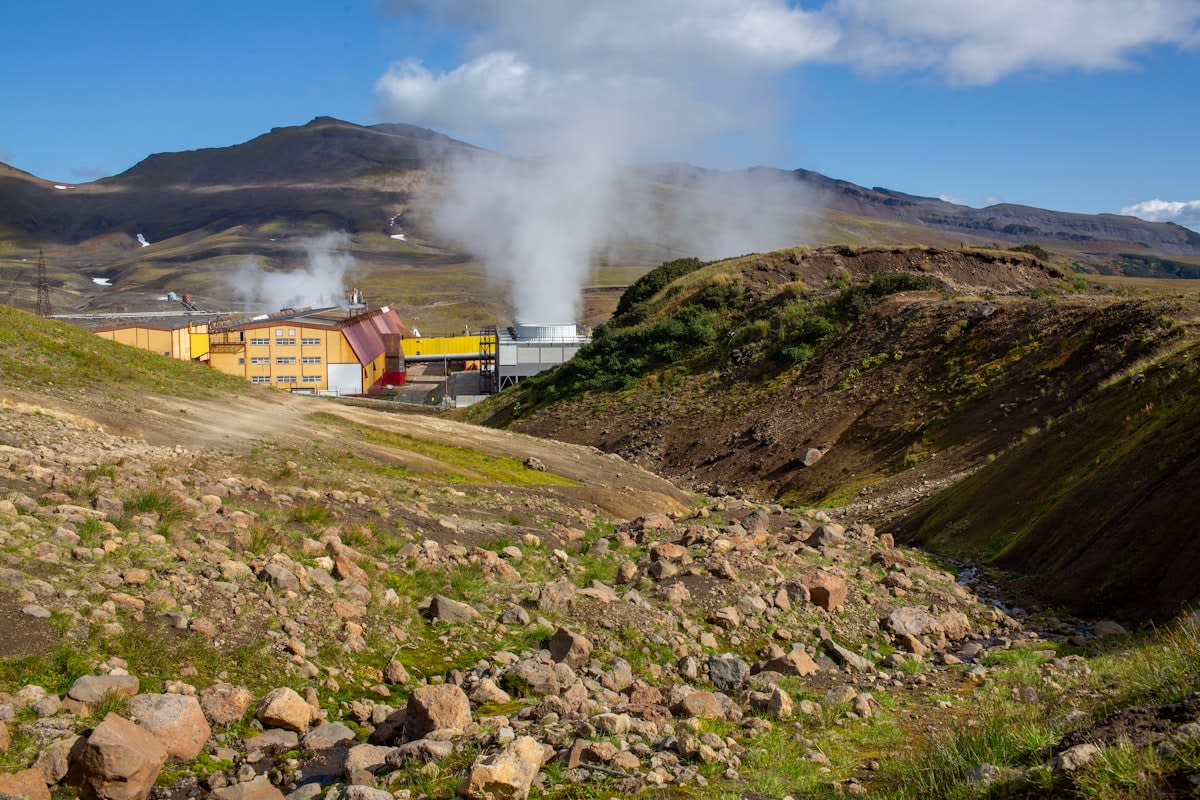
Economic Delta: The Death of the Intermittency Tax
The real story here is the economics of baseload. For years, the 'intermittency tax'—the cost of adding massive battery arrays to solar and wind—has hindered the total transition to renewables. Super-hot rock geothermal eliminates this tax. It provides a constant, 24/7 stream of power with a capacity factor often exceeding 90% (Source: IEA Geothermal Report, 2023). When you compare the Levelized Cost of Energy (LCOE) of SHR against a combination of solar plus long-duration storage, the math starts to lean heavily toward the crust.
| Metric | Conventional Geothermal | Super-Hot Rock (SHR) | Solar + Battery |
|---|---|---|---|
| Energy Density | Low to Medium | Extreme | Low (Land Intensive) |
| Capacity Factor | 70-85% | 90%+ | 25-35% (without storage) |
| Geographic Limit | Tectonic Boundaries | Ubiquitous (Depth Dependent) | Sunlight Dependent |
| Water Usage | High (Steam loss) | Closed-Loop Potential | Low |
Is it cheap today? No. The upfront CAPEX for a 10km hole is astronomical. But the trend line is clear. Just as shale gas went from 'impossible' to 'dominant' in a decade, SHR is following the same trajectory of learning curves. As drilling speeds increase and material science catches up to the heat, the cost per megawatt-hour will plummet. We are moving from a period of exploration to a period of industrialization.
Global Implications: Beyond the Ring of Fire
The geopolitical implications are profound. Energy independence has always been tied to what you have in your soil—oil, gas, or uranium. SHR changes the game because every nation has 'hot rock' if they drill deep enough. This removes the strategic leverage of energy-exporting regimes. A country in Central Africa or a city-state in Asia could theoretically achieve total energy sovereignty by tapping into the planetary battery beneath their own borders.
We are seeing early movers already positioning themselves. While the US is pushing the FORGE project to standardize enhanced geothermal systems (Source: US DOE, 2022), European consortia are looking at repurposing abandoned oil wells for heat extraction. The race is no longer about who owns the fuel, but who owns the technology to reach the heat.
Fact-Check & Accuracy Note
Key claims regarding supercritical water properties (374°C/22.1 MPa) and energy density ratios are sourced from US Department of Energy and IEA technical papers. The efficacy of millimeter-wave drilling remains in the pilot/prototype phase and is subject to ongoing engineering validation; it is not yet a commercially deployed standard globally.