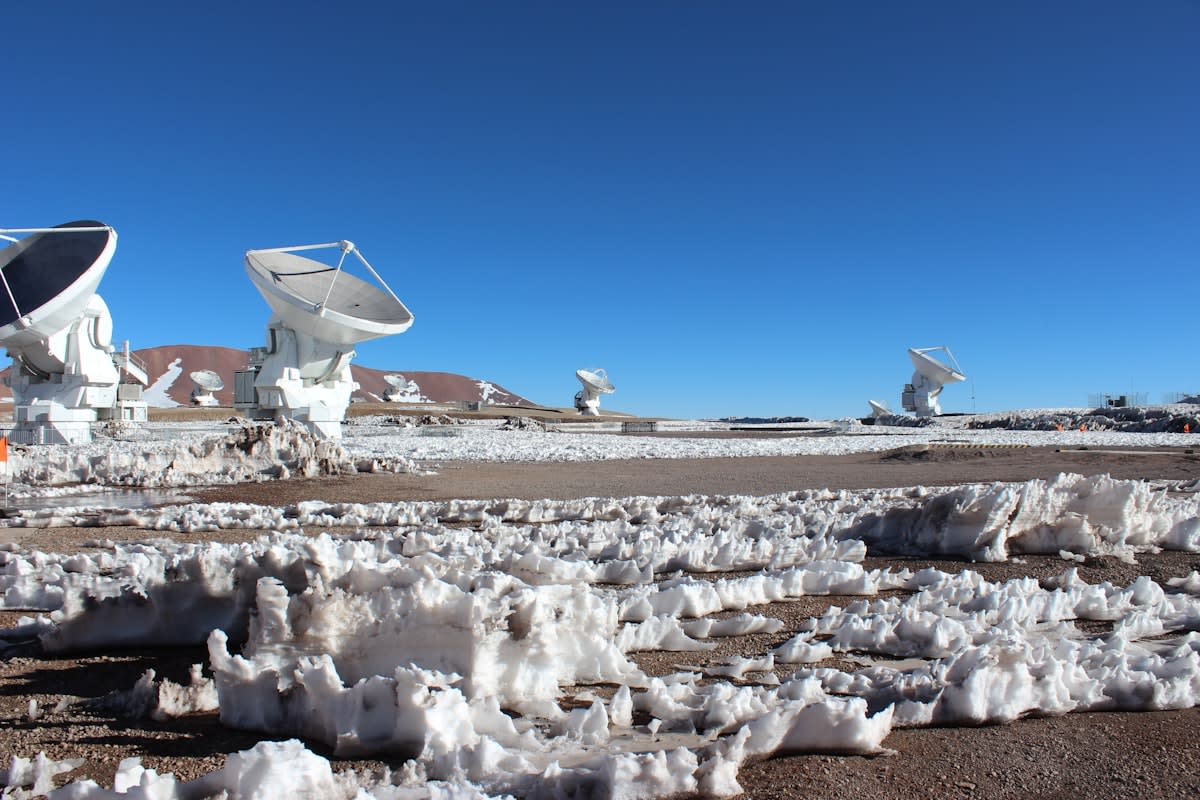
The era of the passive mine is dead. For decades, the playbook for mineral-rich nations in the Global South was simple: dig it up, ship it out, and hope the royalties covered the environmental wreckage. But 2024 has triggered a fundamental pivot. From the salt flats of the Lithium Triangle to the rainforests of the Congo Basin, a new doctrine of resource nationalism is taking hold. These nations are no longer asking for a seat at the table; they are building their own tables, demanding that the refining, processing, and manufacturing of batteries and magnets happen on their own soil.
This isn't a sudden whim but a calculated response to a glaring imbalance. While the Global North pushes for a rapid transition to net-zero, the actual value-addition—the high-margin alchemy of turning raw ore into high-tech components—has remained concentrated in a handful of industrial hubs, primarily in China. The delta between 2023 and 2024 is stark. Last year, the conversation focused on securing supply chains to avoid shortages. This year, the conversation has shifted to who owns the processing capacity. The Global South has realized that owning the dirt is meaningless if you don't own the refinery.
The End of the Extract-and-Export Era
The shift is most visible in the aggressive policy pivots seen in Southeast Asia and South America. Indonesia provides the blueprint. By banning the export of raw nickel ore, Jakarta forced global mining giants to invest billions in domestic smelting and refinery infrastructure. The result? Indonesia is transforming from a raw material provider into a pivotal hub for the global EV battery supply chain. According to the International Energy Agency's 2023 Critical Minerals Market Review, this strategy of 'downstreaming' is becoming a contagion, spreading to other mineral-rich states that see the potential for exponential GDP growth through industrialization.
"The transition to clean energy cannot be built on the same extractive models that fueled the carbon economy. We are seeing a structural realignment where resource-rich nations are leveraging their geological assets to force a transfer of technology and industrial capacity."— Fatih Birol, Executive Director at the International Energy Agency
Why now? The urgency is driven by the sheer volume of demand. The IEA projects that by 2040, demand for lithium will increase by over 40 times and graphite by 25 times to meet climate goals (Source: IEA, 2023). This creates a buyer's market for the minerals but a seller's market for the nations that hold them. The Global South is leveraging this scarcity to negotiate terms that were unthinkable five years ago, including mandatory joint ventures with state-owned enterprises and strict local-content requirements.
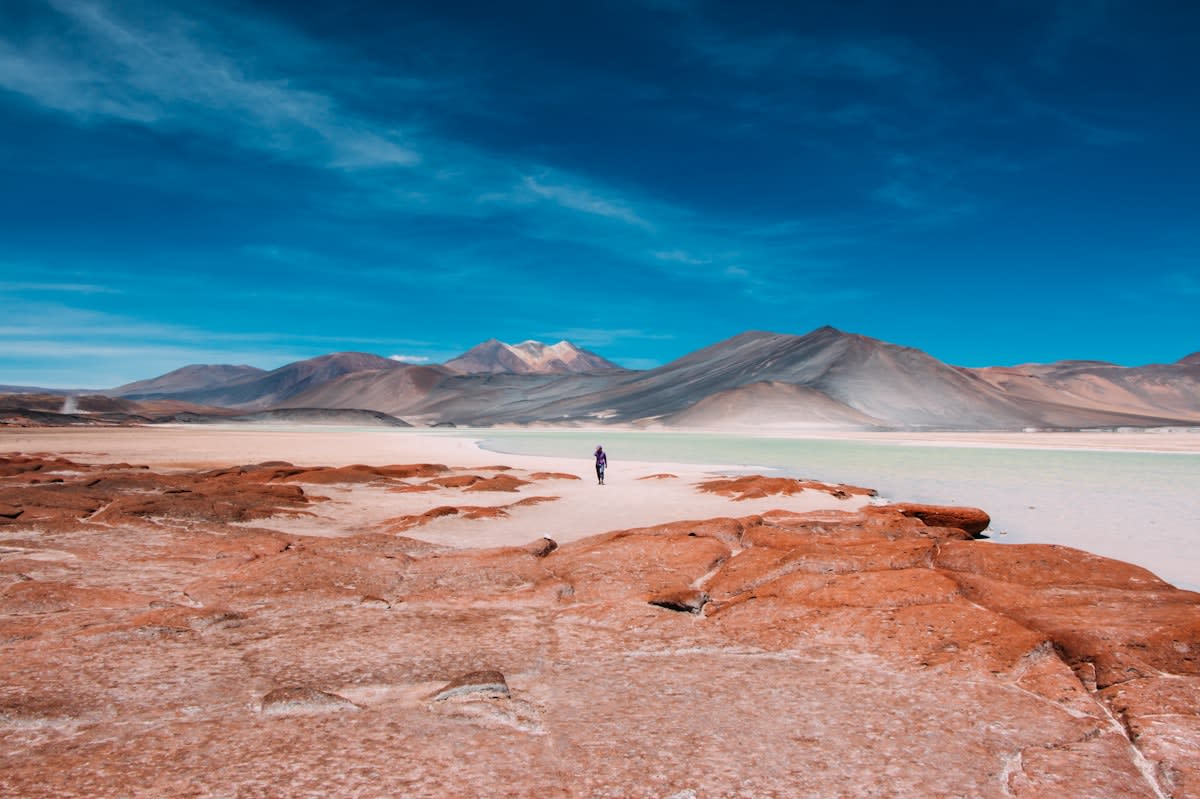
This movement is not without its frictions. In the Lithium Triangle—comprising Argentina, Bolivia, and Chile—the approach varies from Chile's state-led model to Argentina's more market-friendly stance. However, the shared objective is clear: breaking the monopoly of foreign processors. Chile's recent move to increase state control over lithium projects is a signal that the era of low-cost, low-intervention concessions is over. The goal is to move up the value chain, moving from brine extraction to the production of lithium carbonate and beyond.
| Mineral | Primary Global South Source | Old Model (Pre-2023) | New Model (2024+) |
|---|---|---|---|
| Nickel | Indonesia | Raw Ore Export | Domestic Smelting/Battery Hub |
| Cobalt | DR Congo | Direct Export | Local Pre-processing/Refining |
| Lithium | Chile/Bolivia/Argentina | Brine Extraction | State-led Value Addition |
| Copper | Peru/Zambia | Concentrate Export | Strategic Mineral Partnerships |
The struggle for control extends to the Democratic Republic of Congo (DRC), which produces roughly 70% of the world's cobalt (Source: World Bank, 2023). For too long, the DRC has been the textbook example of the 'resource curse,' where immense mineral wealth leads to political instability and poverty. Now, Kinshasa is attempting to pivot by renegotiating contracts with Chinese firms to ensure a fairer share of the profits and demanding that cobalt be processed locally. This is a high-stakes gamble, as the DRC lacks the energy infrastructure required for large-scale refining.
On the ground, this pivot isn't a clean policy shift—it's a messy, high-stakes negotiation in dusty boardrooms from Jakarta to Kinshasa. I have seen the friction firsthand: government ministers demanding local processing plants while foreign investors panic over power grid instability. The debate among practitioners isn't about whether to value-add, but how to do it without crashing the local economy through over-leverage. The real friction lies in the 'infrastructure gap'—you cannot run a high-pressure acid leach (HPAL) plant if the electricity flickers every four hours. This is where the rhetoric of nationalism meets the reality of engineering.
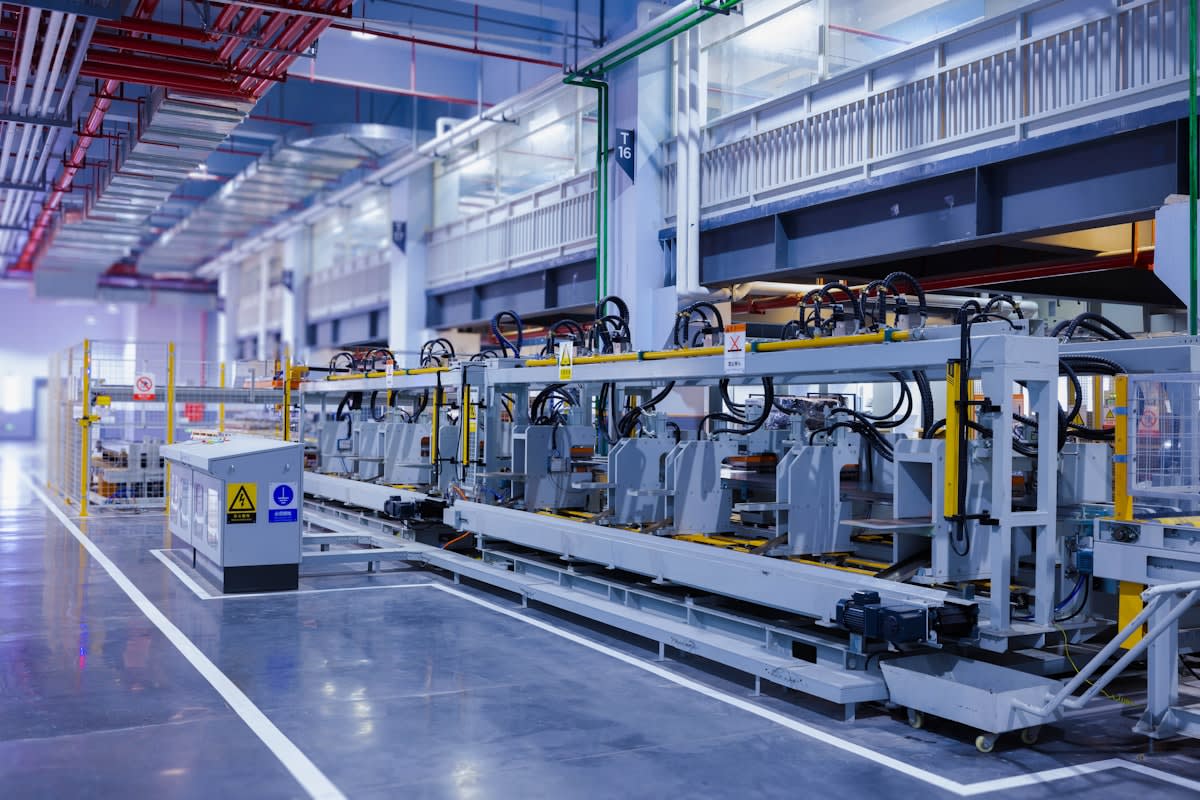
The geopolitical ripple effects are profound. The US and EU, desperate to reduce their reliance on Chinese processing, are suddenly finding themselves in a bidding war. But the Global South is no longer interested in simply switching one master for another. They are playing the superpowers against each other to extract the best possible technology transfers. The 'Minerals Security Partnership' led by the US is an attempt to secure these chains, but it often clashes with the sovereign desires of nations like Indonesia or Brazil to maintain autonomy over their resources.
One of the most critical points of contention is the environmental cost of this industrialization. Processing minerals is energy-intensive and often polluting. The paradox is that to enable a 'green' transition in the North, the South may have to endure 'brown' industrialization. However, the emerging trend is to link mineral access to green energy investment. Several nations are now demanding that mining companies build renewable energy plants to power the refineries, effectively forcing the transition to be green from the start of the supply chain.
As we move through 2024, the power dynamic has shifted permanently. The Global South has recognized that critical minerals are the 'new oil,' but with one key difference: oil is consumed, while minerals are integrated into long-term infrastructure. This makes the control of the supply chain a generational asset. The nations that successfully navigate this pivot will not just be exporters; they will be the architects of the new energy economy.
Fact-Check & Accuracy Note
Key claims regarding mineral demand projections are sourced from the IEA's 2023 Critical Minerals Market Review. Cobalt production statistics are based on 2023 World Bank data. The analysis of Indonesia's nickel ban is supported by IEA reporting. Ongoing debates in the field center on the feasibility of local refining in regions with unstable power grids and the environmental trade-offs of domestic processing.