How Sawan braved the rain and did a 44-year first for India at 2026 Asian Games
Source Entity
Pritish Raj
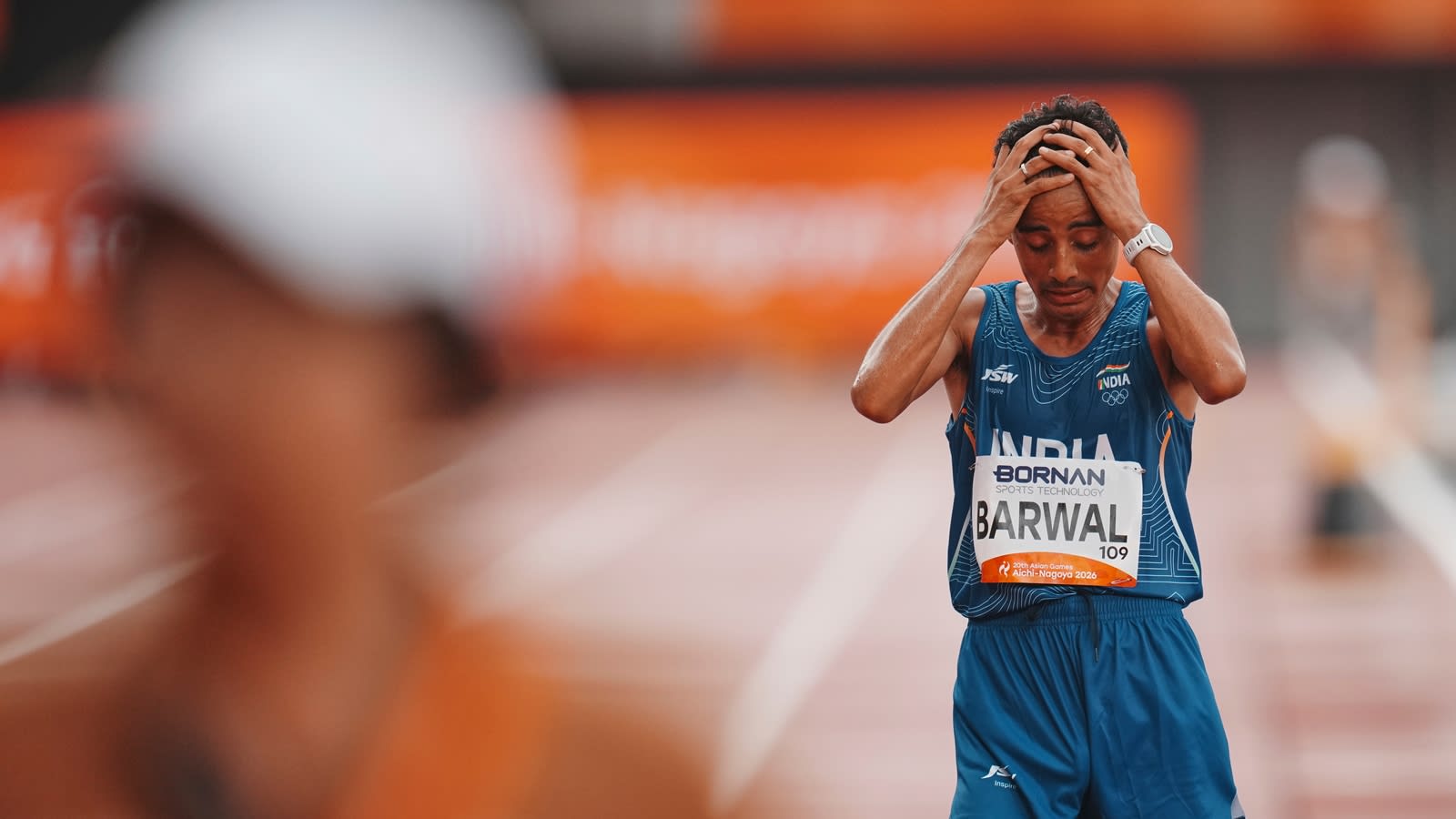
Sawan Barwal has made history by winning an Asian Games silver medal in the marathon, ending India's 44-year drought in the event. In only his second career marathon, he also set a new national record, capping a remarkable journey that began with a childhood joyride to a local athletics meet.
The Unlikely Rise of Sawan Barwal: A Historic Marathon Achievement
Sawan Barwal has etched his name into the annals of Indian athletics by securing a silver medal at the Asian Games in Nagoya, Japan. His performance is particularly remarkable given that he has competed in only two marathons in his entire professional career. By clocking a time of 2:11:37, Barwal not only claimed a podium finish but also established a new national record, signaling a potential shift in the competitive landscape for Indian long-distance runners.
Breaking a Decades-Long Drought
Barwal’s achievement is historic, marking the first time in 44 years that an Indian athlete has secured a medal in the men’s marathon at the Asian Games. Furthermore, he holds the distinction of being the first Indian to achieve this feat on foreign soil. This performance effectively eclipses the long-standing national record held by Shivnath Singh for 48 years, which Barwal first broke during his debut marathon in Rotterdam in April 2026.
From Childhood Joyride to Elite Competition
The trajectory of Barwal’s career is as unconventional as it is inspiring. A decade ago, his initial exposure to athletics was driven not by professional ambition, but by the prospect of a bike ride to a neighboring village to watch a local meet. Recalling his youth, Barwal admitted that the allure of the trip was more compelling than the sport itself at the time. This humble beginning serves as a stark contrast to his current status as an elite athlete jet-setting across the globe to compete at the highest levels.
Tactical Execution Under Pressure
The race in Nagoya was contested under challenging conditions, with a light drizzle creating damp streets that tested the resolve of the twenty starters. Barwal’s preparation was meticulous, involving a 3:30 am wake-up call and a disciplined pre-race routine. His strategy was focused entirely on the podium, as he acknowledged that failing to medal would have undermined the extensive training he had invested in the lead-up to the Games.
Implications for Indian Athletics
Barwal’s success highlights a significant evolution in Indian endurance running. By lowering his own national record in back-to-back marathons, he has demonstrated a level of consistency and rapid development that is rare in the sport. While he finished behind Japan’s Ichitaka Yamashita, who claimed gold with a time of 2:10:49, Barwal’s ability to compete at this intensity so early in his marathon career suggests he could be a pivotal figure for India in future international championships.
Future Trends and Legacy
As Barwal continues to refine his craft, the focus will likely shift toward maintaining this high-performance trajectory. His journey from a hesitant student taken to a track meet by a PE teacher to a national record-holder proves that late-blooming talent can thrive with the right dedication. For Indian athletics, Barwal’s silver medal serves as a beacon, potentially inspiring a new generation of runners to challenge the records that have stood unchallenged for nearly half a century.
Multiple Citing Sources