The Myth of the Romantic Return
The shipping industry is terrified of the invisible. I am not talking about icebergs or pirates, but the invisible hand of carbon pricing and the looming deadlines of the International Maritime Organization (IMO). For decades, the sector operated on a simple, brutal logic: maximize scale, minimize crew, and burn the cheapest heavy fuel oil available. Now, that logic has collapsed. The sudden resurgence of wind-assisted propulsion (WAP) is often framed by the media as a whimsical return to the Age of Discovery, but that is a fundamental misreading of the situation. This is not a nostalgic retreat; it is a hard-nosed strategic pivot.
Why now? Because the math has changed. The introduction of the EU Emissions Trading System (EU ETS) for maritime transport in 2024 means that carbon is no longer a PR problem—it is a line item on the balance sheet (Source: European Commission, 2023). When you are moving 20,000 containers across the Pacific, a 5% to 15% reduction in fuel consumption isn't just an environmental win; it is a massive operational hedge. The industry is realizing that waiting for a 'silver bullet' fuel like green ammonia or hydrogen is a gamble with an unknown payout date. Wind, however, is free, available everywhere, and the technology to harness it has finally caught up with the requirements of modern logistics.
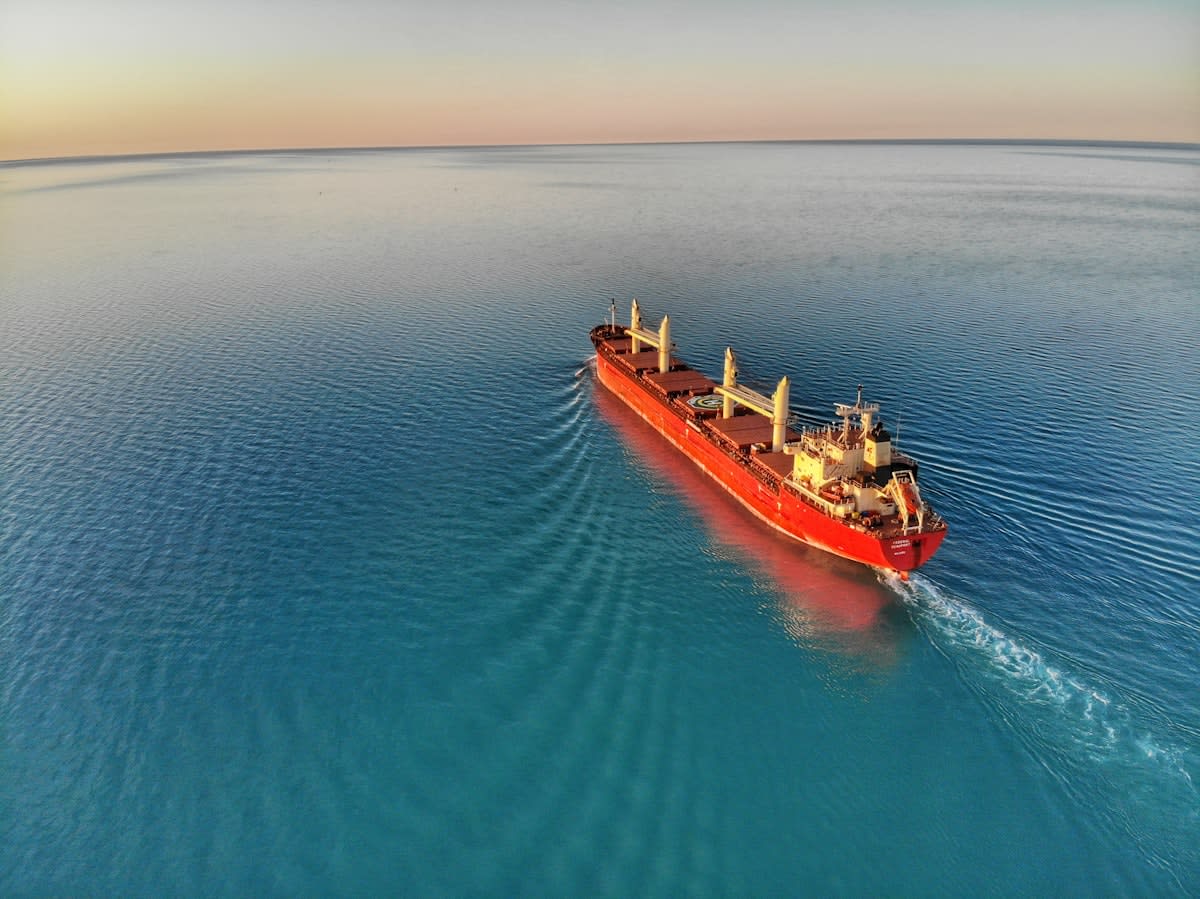
This shift is systemic, not localized. We are seeing a fragmented but global adoption pattern. In the North Sea, tankers are testing rigid wing sails that look more like aircraft wings than canvas. In the Baltic, bulk carriers are installing rotor sails that use the Magnus effect to generate thrust. Even in the South China Sea, logistics giants are eyeing kite systems that can be deployed and retracted in minutes. The goal is not to replace the engine entirely—that would be a fantasy—but to create a hybrid propulsion model where the wind handles the baseline load, allowing the engines to operate at higher, more efficient steady-state levels.
The Economics of Atmospheric Energy
To understand the internal debate among shipowners, you have to look at the Capex vs. Opex struggle. Installing a suite of rotor sails or a wing-sail system requires significant upfront capital and a period of dry-docking that costs thousands in lost revenue. However, the operational expenditure (Opex) savings are immediate. According to DNV, wind-assisted propulsion can reduce fuel consumption by 1% to 20% depending on the route and vessel type (Source: DNV, 2024). For a vessel burning 50 tons of fuel per day, a 10% saving is a staggering amount of money over a twenty-year hull life.
| Technology | Primary Mechanism | Est. Fuel Saving | Main Operational Drawback |
|---|---|---|---|
| Flettner Rotors | Magnus Effect (Spinning Cylinders) | 5% - 15% | High vertical profile; port crane interference |
| Rigid Wing Sails | Aerodynamic Lift (Airfoil) | 10% - 20% | Significant structural weight on deck |
| Suction Sails | Boundary Layer Control | 8% - 12% | Mechanical complexity of internal pumps |
| Kite Systems | High-Altitude Wind Harvesting | 10% - 30% | Complex deployment/retrieval cycles |
But is it enough? The IMO's revised strategy aims for net-zero GHG emissions by or around 2050 (Source: IMO, 2023). Wind alone cannot get us there, but it extends the viability of existing fleets. It turns a 'stranded asset'—a ship that would otherwise be banned or taxed out of existence—into a transitional tool. The real strategic play here is 'fuel agnostic' design. By reducing the total energy demand of the voyage, shipowners can afford to use more expensive, lower-carbon fuels because they simply need less of them to reach the destination.
"The industry is moving away from the search for a single miracle fuel and toward a diversified energy portfolio. Wind is the only zero-cost energy source that scales with the size of the vessel."— Technical Lead, Maritime Decarbonization Initiative at DNV
This is where the friction happens on the ground. If you spend any time on a bridge, you know the tension between the Captain and the CFO. The CFO sees the fuel savings on a spreadsheet; the Captain sees a massive, rotating cylinder on the deck that might catch a crosswind and create a dangerous heel during a maneuver. There is a visceral debate about stability, safety, and the 'feel' of the ship. Practitioners are currently arguing over automated control systems—can an AI manage the sails better than a human? In most cases, the answer is yes, but the trust gap remains wide.
The Infrastructure Bottleneck
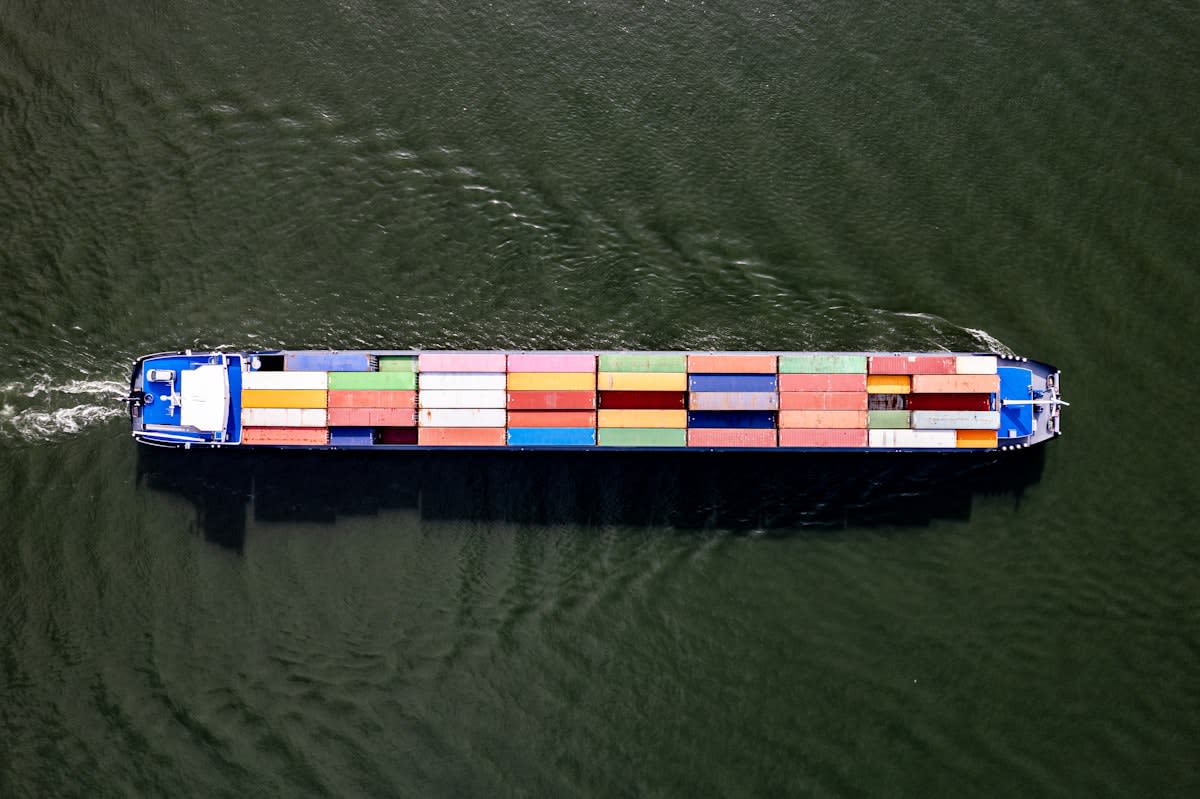
The biggest hurdle isn't the wind—it's the port. Our global ports are designed for standardized boxes and flat decks. A ship with 30-meter wing sails cannot simply pull into any berth. We are facing a systemic mismatch between the vessel and the terminal. Will ports be forced to invest in specialized cranes? Or will the industry move toward foldable, telescopic sails? This is the quiet war being fought in naval architecture studios today. The winner won't be the one with the most efficient sail, but the one with the most compatible one.
Furthermore, the return of the sail demands a return of skill. For a century, we have trained mariners to ignore the wind and trust the engine. Now, we need a new generation of 'hybrid navigators' who understand weather routing as a primary tool for efficiency, not just safety. This requires a total overhaul of maritime education. We are seeing a shift where meteorology is becoming as critical to the chief engineer as thermodynamics.
Ultimately, the return of wind is a symptom of a broader realization: the era of infinite, cheap energy is over. Whether the industry adopts rotors, wings, or kites, the direction is clear. The ocean is a massive energy field that we spent a hundred years ignoring. Now, we are learning to listen to it again, not because we want to, but because the economics of carbon demand it. The ships of 2040 will likely look like strange hybrids—half-industrial machine, half-atmospheric harvester—sailing on a mix of green ammonia and the very winds that once defined the limits of human trade.
Fact-Check & Accuracy Note
The claims regarding IMO 2050 targets and EU ETS implementation are sourced from official International Maritime Organization and European Commission policy documents (2023). Fuel saving percentages are based on industry benchmarks provided by DNV (2024). Note that actual fuel savings vary wildly based on specific trade routes (e.g., the North Atlantic vs. the Equatorial doldrums), and the long-term scalability of port infrastructure remains a subject of intense industry debate.