
The narrative of the energy transition has been dominated by a single, obsessive focus: the lithium monopoly. For years, the world viewed lithium as the inevitable bottleneck of the green revolution, a white-gold rush that promised to redefine geopolitical power. But this focus is a distraction. The real shift is not happening in the mines of the Lithium Triangle, but in the molecular composition of the batteries themselves and the deteriorating relationship between energy infrastructure and the communities that must host it. We are witnessing a quiet departure from the lithium-centric model toward a more resilient, diversified material strategy.
Why has the lithium monopoly become a liability? The answer lies in the hidden dependencies of the lithium-ion cell. While the cathode gets the headlines, the anode is where the systemic fragility resides. Graphite, the primary material for anodes, represents up to 50% of a battery cell's volume. Yet, a staggering 75% of the global battery-grade supply is currently derived from oil-based feedstocks. This creates a paradoxical dependency: the technology meant to end our reliance on hydrocarbons is, in its most critical volume, still tethered to the oil industry. This is not a sustainable path; it is a strategic contradiction.
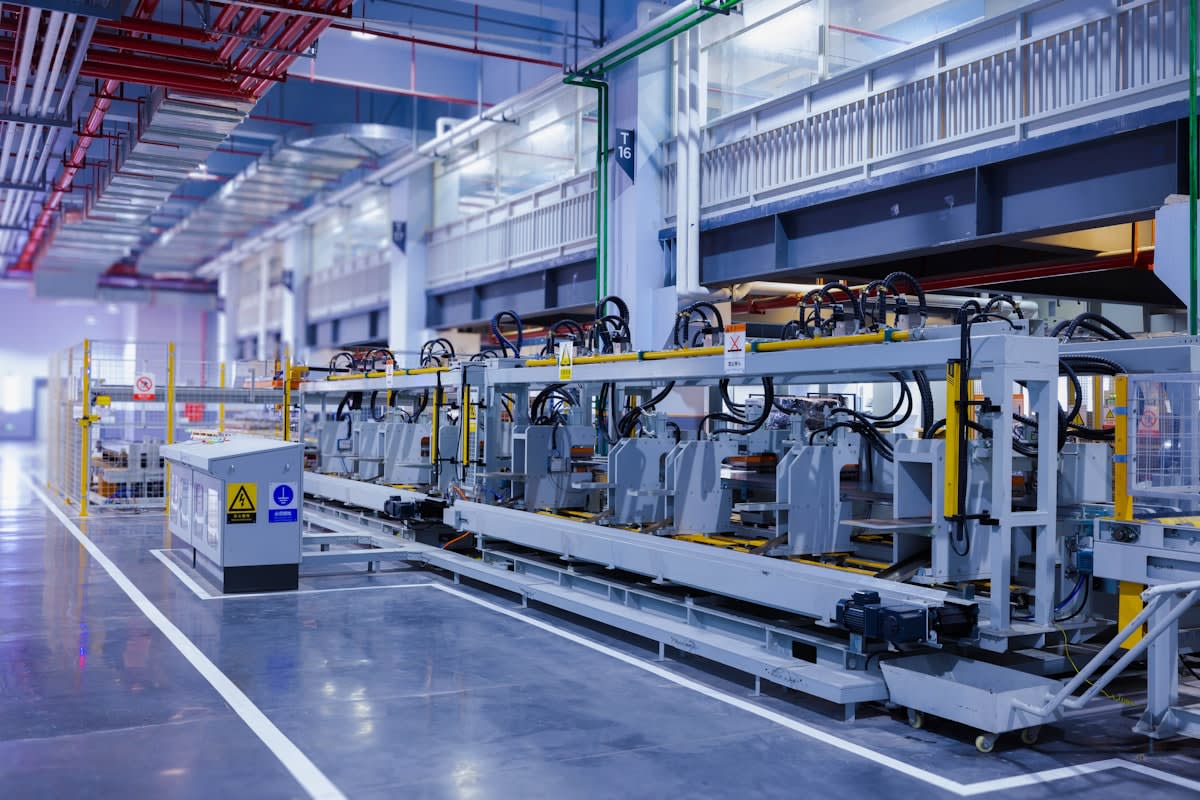
The Upstream Pivot: Bio-Graphite and the End of Oil Dependency
The industry's largest players are already hedging their bets. On July 6, 2026, CATL, the world's largest battery manufacturer, took a strategic stake in CarbonScape Ltd, a New Zealand-founded firm. CarbonScape is not mining for more minerals; it is developing bio-based graphite derived from forestry by-products. This represents a fundamental shift in the resource map. By moving from oil-based feedstocks to organic waste, the industry is attempting to decouple the battery supply chain from the petrochemical complex. It is a move toward abundance and circularity, replacing a finite, geopolitically sensitive resource with a renewable biological one.
This strategic move by CATL signals a broader trend where mining is no longer the primary concern; refining and feedstock origin have taken center stage. When the world's largest manufacturer pushes upstream into bio-materials, it is an admission that the current lithium-ion architecture is too fragile to support global demand. The goal is no longer just to find more lithium, but to reinvent the materials that surround it. This is the true nature of the shift: a transition from extractive monopolies to synthetic and biological resilience.
"Our goal is to help stakeholders understand the future of mobility."— Toyoda Gosei and Tohoku University Materials Lab
This intellectual curiosity is being mirrored in academic and industrial partnerships, such as the materials lab launched by Toyoda Gosei and Tohoku University. These entities are not looking for a slightly better version of the current battery; they are probing the boundaries of material science to find the next leap. The focus is shifting toward a diversified portfolio of materials that can be sourced locally and sustainably, reducing the systemic risk associated with any single mineral monopoly.
The financial commitments to this diversification are massive. Gotion's €950m battery projects in Spain are a testament to the drive to localize production and diversify the supply chain within Europe. By building these hubs, the industry is trying to insulate itself from the volatility of global shipping and the political whims of mineral-rich nations. The strategy is clear: decentralize the production, diversify the materials, and break the monopoly.
The Social Friction: The Collapse of the Lithium Social Contract
While the material shift happens in labs and boardrooms, a different kind of collapse is occurring on the ground. The energy transition requires a massive rollout of battery storage infrastructure, but this rollout is increasingly clashing with local realities. In New York City, the controversy surrounding a new lithium-ion battery facility in Queens has escalated from regulatory disputes to physical violence. On July 3, 2026, a City Council staffer was allegedly assaulted by contractors at a site owned by NineDot Energy.
Case Study: The Queens Conflict
The NYC Department of Buildings shut down the NineDot Energy project operations indefinitely after observing violations of a partial stop work order. This incident highlights the volatile intersection of urgent climate goals and local governance.
This is not an isolated event; it is a symptom of a broken social contract. The lithium monopoly is not just about who owns the minerals, but who bears the risk of the infrastructure. When contractors for energy projects are caught on video tackling public officials, it reveals a dangerous arrogance in the execution of the energy transition. The assumption that the 'greater good' of decarbonization overrides local safety and zoning laws is creating a backlash that could stall the transition more effectively than any mineral shortage.
If the industry cannot secure a social license to operate, the chemical composition of the battery becomes irrelevant. The friction in Queens is a warning: the 'top-down' implementation of battery storage is failing. The shift away from the lithium monopoly must therefore include a shift in how these projects are integrated into urban environments. Without transparency and community consent, the physical sites of the energy transition will become battlegrounds.
The Materiality Matrix: Comparing the Old and New Paradigms
To understand why the shift is occurring, one must look at the data of dependency. The current lithium-ion model is an exercise in fragility, relying on highly concentrated supply chains and environmentally taxing extraction. The emerging model, exemplified by the CATL-CarbonScape partnership, prioritizes abundance and biological synthesis over extraction. This is a move from a linear 'mine-to-waste' model to a circular 'forest-to-cell' model.
| Component/Factor | Lithium-Ion Status Quo | The Emerging Diversified Shift |
|---|---|---|
| Anode Feedstock | 75% Oil-based Graphite | Bio-based Forestry By-products |
| Volume Dependency | Graphite (up to 50% of cell) | Diversified Synthetic Materials |
| Supply Chain Logic | Centralized Mining Monopoly | Localized Bio-refineries (e.g., Spain) |
| Social Integration | Top-down / Controversial | Community-aligned Infrastructure |
| Strategic Goal | Mineral Acquisition | Feedstock Independence |
The data reveals a stark contrast. The old paradigm is defined by a race to secure the most lithium; the new paradigm is defined by a race to eliminate the need for sensitive minerals altogether. By focusing on the 50% of the cell that is graphite, and replacing the oil-based version with bio-graphite, the industry is effectively neutralizing one of the largest vulnerabilities in the energy transition. This is not a gradual improvement; it is a systemic pivot.
This shift is also reflected in the changing nature of investment. The €950m Gotion project in Spain is not just about building factories; it is about creating an ecosystem where the materials are sourced and processed within a single regulatory zone. This reduces the geopolitical leverage of any single nation and distributes the economic benefits of the transition across a wider array of regions, from New Zealand's forests to the Spanish plains.
The Strategic Conclusion: Resilience Over Monopoly
The 'Sodium Shift' is more than a change in chemistry; it is a change in philosophy. For too long, the world accepted the premise that the energy transition must replace one monopoly (oil) with another (lithium). But the strategic analysts and industry leaders are realizing that monopolies are inherently unstable. Whether it is the environmental cost of oil-based graphite or the social cost of forced battery installations in Queens, the monopoly model is breaking.
The future of mobility and energy storage will not be defined by who owns the most mines, but by who can most efficiently synthesize materials from abundance. The transition to bio-based graphite and the drive toward localized, socially accepted infrastructure are the first real steps toward a truly sustainable energy economy. The lithium monopoly was a necessary stepping stone, but it is a stone that the industry is now quietly stepping over.
As CATL and other giants continue to move upstream, the focus will shift further away from the 'white gold' narrative. We are entering an era of material intelligence, where the goal is to engineer our way out of scarcity. The real winners of the energy transition will not be the ones who cornered the market on lithium, but the ones who figured out how to build a world where such monopolies are no longer necessary.