The End of the Monolith
For over a century, the global energy paradigm relied on the monolith: massive, centralized power plants distributing electricity across vast, fragile webs. This architecture assumed stability and cooperation, but the current geopolitical climate has exposed the fatal flaw in that logic. We are witnessing a violent pivot toward the Energy Island. These are not literal islands, though some are, but localized hubs of generation and massive-scale storage that allow a region or a nation to sever the cord from the global grid without plunging into darkness. The goal is no longer just efficiency; it is absolute sovereignty.
Twelve months ago, the conversation around energy storage was dominated by cost-per-kilowatt and the slow integration of batteries into existing grids. The narrative was one of supplementation. Today, that conversation has shifted toward survival and autonomy. The delta is stark: we have moved from asking how batteries can help the grid to asking how storage can replace the need for a vulnerable, interconnected grid entirely. This is a strategic decoupling driven by the realization that interdependence is a liability when the cables are controlled by adversaries or threatened by extreme weather.
"The grid was built for a world of predictable borders and steady climates. In an era of volatility, the only true security is the energy you can store within your own fence."— Lead Energy Architect, Global Resilience Initiative
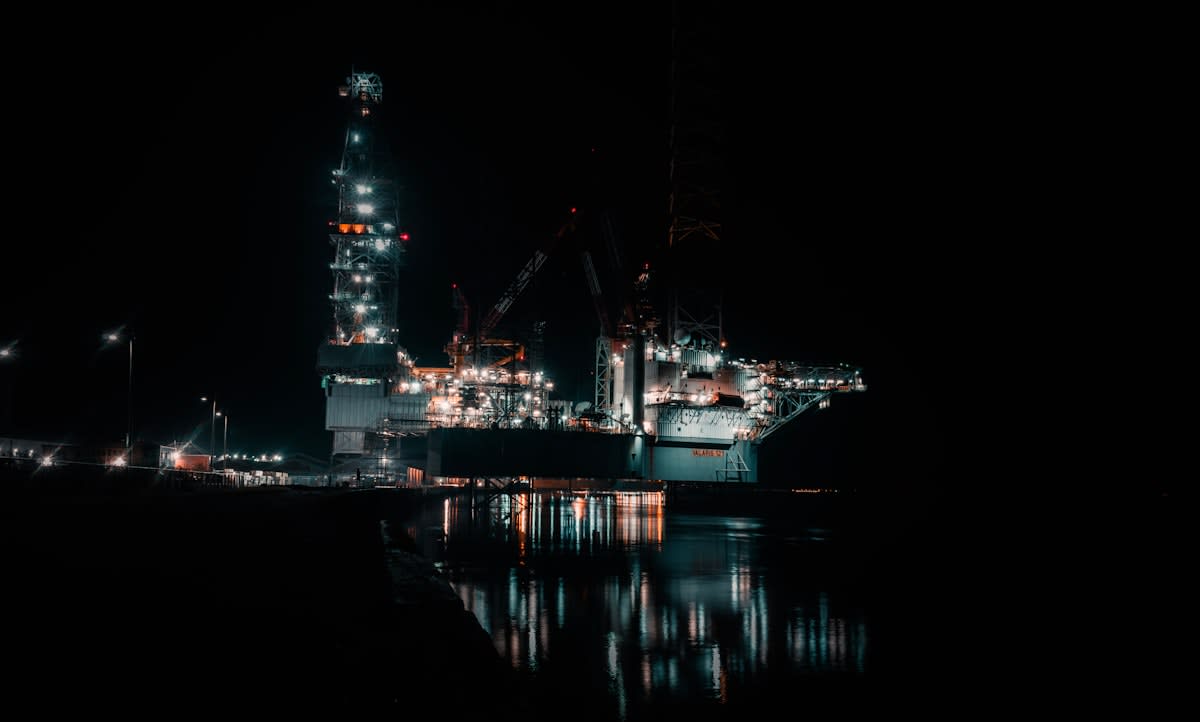
Look at the North Sea, where Denmark and Belgium are pioneering actual energy islands. These are not mere platforms but artificial hubs that collect wind energy and store it using cutting-edge hydrogen and battery technology. By creating these localized nodes, they reduce the reliance on long-distance transmission lines that are susceptible to both physical sabotage and technical failure. They are building a blueprint for a modular world where energy is harvested and held locally, then traded only when it is strategically advantageous to do so.
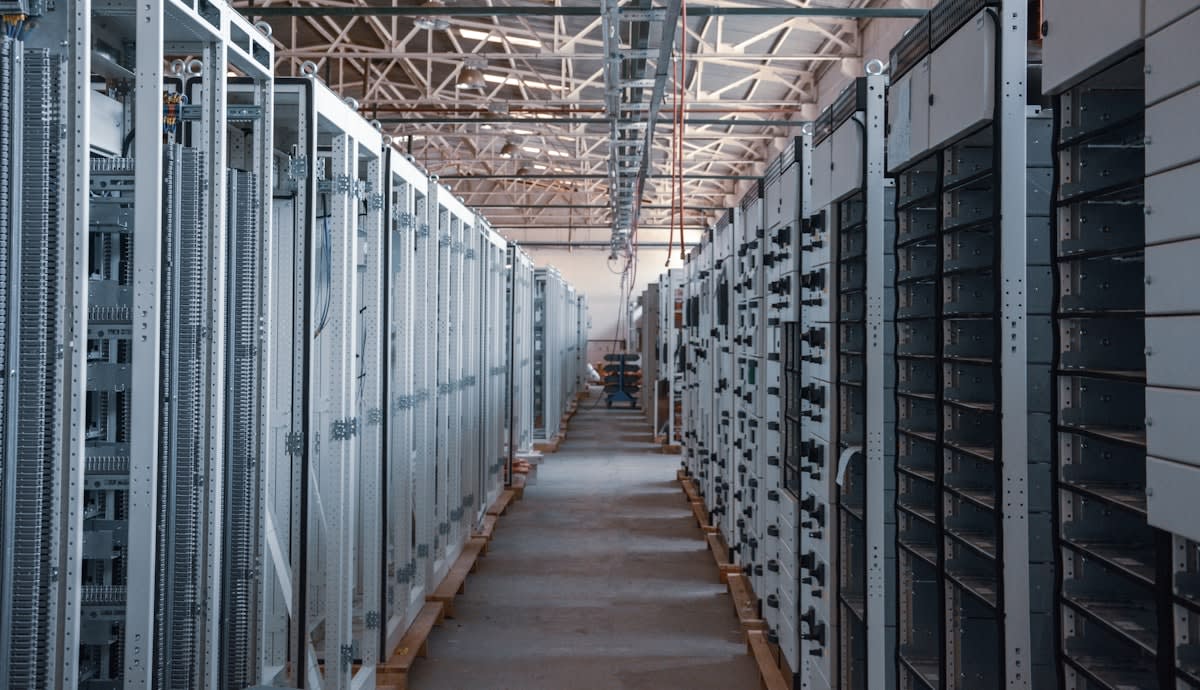
Is this a retreat from globalization? In the energy sector, yes. Across Australia, the deployment of massive battery clusters has transformed from a grid-stabilization experiment into a national security mandate. By creating 'storage islands' in remote regions, Australia is ensuring that critical industrial hubs can operate independently of the main transmission spine. This prevents a single point of failure—like a fallen pylon in a wildfire—from crippling an entire state's economy. The shift is a move from a fragile, lean system to a redundant, robust one.
The technical engine driving this shift is the plummeting Levelized Cost of Storage (LCOS). While lithium-ion remains the sprint runner of the industry, providing quick bursts of power, we are seeing a surge in Long-Duration Energy Storage (LDES). Flow batteries and gravity-based storage are now entering the national strategies of emerging economies in Southeast Asia and Africa. These technologies allow nations to store energy for weeks, not just hours, effectively turning a localized storage site into a strategic reserve akin to an oil stockpile.
| Metric | Centralized Grid (Old Model) | Energy Island (New Model) |
|---|---|---|
| Systemic Resilience | Single point of failure; cascading outages | Distributed redundancy; isolated failure |
| Control Logic | State/Utility managed; top-down | Localized/Autonomous; edge-managed |
| Scaling Speed | Linear/Slow; requires massive infrastructure | Modular/Rapid; deployable in stages |
| Strategic Goal | Cost optimization and efficiency | Sovereignty and survival |
Why now? The trigger is the convergence of climate volatility and geopolitical friction. When a storm wipes out a thousand miles of transmission lines, the centralized model fails completely. When a political dispute leads to a pipeline shut-off, the centralized model becomes a leash. Energy islands break that leash. By pairing local renewables with massive storage, nations are creating a 'circuit breaker' for their national security, ensuring that the lights stay on regardless of what happens across the border.
Defining the Shift
Energy Sovereignty is the ability of a state to maintain critical infrastructure functions without relying on external energy imports or external grid stability. It is the new gold standard of national security.
China is perhaps the most aggressive player in this race. Their strategy involves building massive pumped-hydro storage clusters coupled with battery arrays in every province. They are effectively partitioning their own grid into a series of semi-autonomous islands. If one province faces a crisis, the others remain unaffected, and the local storage acts as a buffer. This is not about environmentalism; it is about the absolute control of the energy flow and the elimination of systemic vulnerability.
Global Growth in Localized Sovereign Storage Capacity (GWh)
Executive Insight
+18.4%
YTD Growth
The economic logic has also flipped. In the old world, the cost of building a massive power plant and the lines to connect it was the primary barrier. Now, the modular nature of storage allows for 'just-in-time' energy infrastructure. A city can build a storage island that meets 20% of its needs today and expand it to 80% over a decade without needing to redesign the entire national grid. This modularity allows developing nations to leapfrog the centralized grid phase entirely, much like they leapfrogged landlines for mobile phones.
However, this transition is not without its frictions. The race for storage requires an unprecedented amount of critical minerals—lithium, cobalt, and vanadium. The sovereignty shift in energy is creating a new dependency on the supply chains of these materials. We are trading a dependency on the grid for a dependency on the mine. The nations that will truly win the energy island race are those that can secure the entire vertical stack, from the lithium brine to the software managing the discharge.
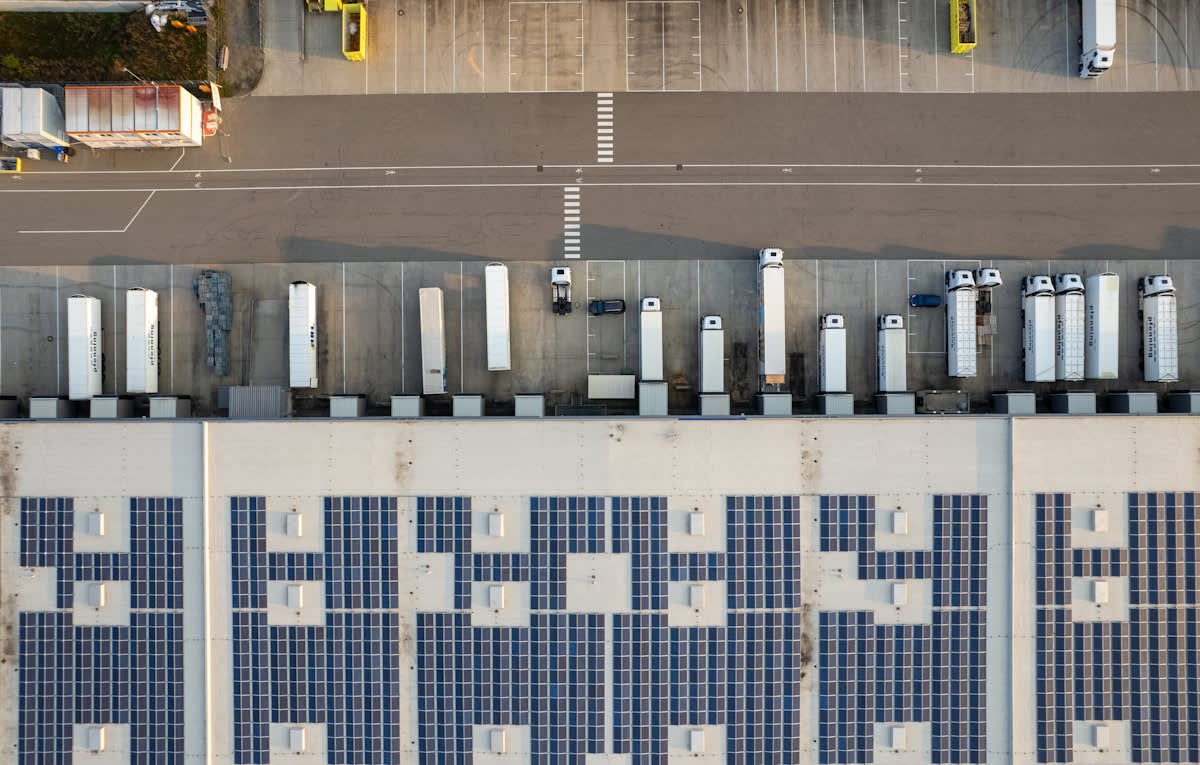
Artificial Intelligence is the invisible glue holding these islands together. Managing a decentralized network of storage hubs requires millisecond-level precision to balance load and frequency. AI-driven 'virtual power plants' are now coordinating these islands, deciding when to store energy and when to discharge it to maintain stability. The result is a grid that behaves more like a biological organism—self-healing and adaptive—rather than a rigid machine.
The final result of this shift will be a world of 'energy archipelagos.' We will see a global network of highly resilient, sovereign nodes that can cooperate and trade energy when times are good, but can instantly decouple when times are bad. This is the ultimate adaptation to a volatile century. By prioritizing resilience over raw efficiency, nations are ensuring that their survival is no longer contingent on the stability of a distant neighbor or the integrity of a single cable.