Look around you. The skyscraper, the bridge, the wind turbine, the electric vehicle chassis—everything that defines the modern urban experience relies on steel. It is the invisible skeleton of civilization. Yet, this reliance creates a brutal irony. To build the infrastructure of a low-carbon future, we are currently dependent on an industrial process that is fundamentally wedded to carbon. Steel production accounts for approximately 7% to 9% of all global greenhouse gas emissions (Source: International Energy Agency, 2023). We are essentially trying to build a green house using a furnace that burns the very atmosphere we are trying to protect.
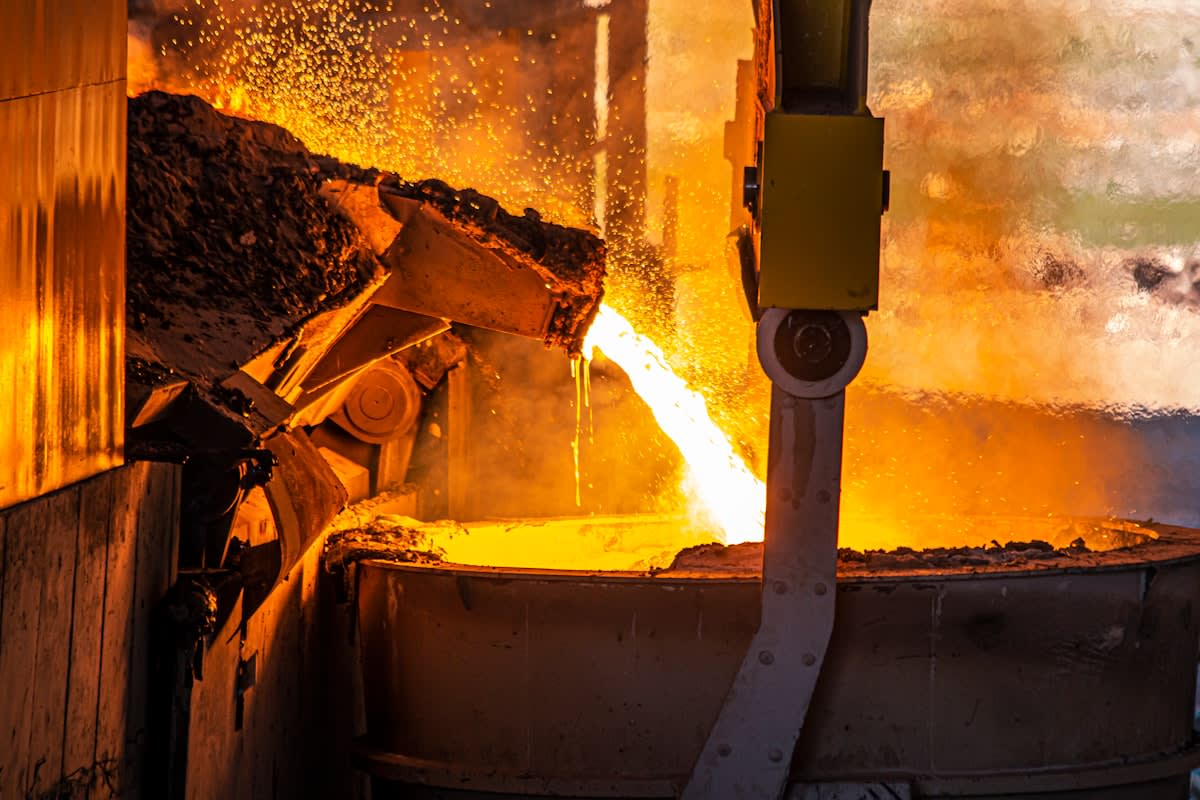
Why is this so difficult? The answer isn't just about energy; it is about chemistry. In a traditional Blast Furnace-Basic Oxygen Furnace (BF-BOF) route, coal is not just used to heat the oven. It acts as a reducing agent to strip oxygen away from iron ore. Carbon is the catalyst that makes the reaction possible. You cannot simply plug a coal furnace into a wind farm and expect it to work. To decarbonize steel, we aren't just changing the fuel; we are rewriting the chemical recipe that has remained largely unchanged for over a century.
The CAPEX Wall and the Inertia of Scale
From a strategic perspective, the barrier to entry for 'green steel' isn't just technical—it is financial. A modern integrated steel mill represents billions of dollars in sunk costs. These assets are designed to run for 40 to 60 years. Asking a CEO to decommission a functioning blast furnace ten years before its end-of-life is a hard sell to any board of directors. The transition to Hydrogen-based Direct Reduced Iron (H2-DRI) requires an entirely new set of assets, creating a massive capital expenditure (CAPEX) wall that few companies can climb without state intervention.
This inertia is compounded by the global distribution of production. While Europe is aggressively pursuing hydrogen pilots, China continues to dominate the market, producing over 50% of the world's steel (Source: World Steel Association, 2023). The scale of Chinese production means that even a modest shift in their methodology outweighs the entire green transition of the European Union. The geopolitical friction here is palpable: how do you implement a global carbon price when the largest producer is operating on a different systemic timeline?
This is where the internal debates among practitioners get heated. On the plant floor, the argument isn't about 'saving the planet'—it is about yield, purity, and reliability. Engineers debate whether Electric Arc Furnaces (EAF) can ever truly match the quality of virgin steel produced in a blast furnace. There is a persistent belief that scrap-based steel, while lower in emissions, cannot meet the stringent requirements for high-end automotive or aerospace components without significant 'sweetening' from primary iron.
"The transition to net-zero steel is not a linear upgrade; it is a total industrial rebirth. We are moving from a world of concentrated, coal-fired hubs to a decentralized, electricity-dependent network. The risk is not the technology, but the timing of the investment."— Report Summary, International Energy Agency (IEA) Net Zero by 2050
Can we simply rely on recycling? The 'circular economy' is a seductive narrative, but it hits a mathematical ceiling. We cannot recycle steel we haven't produced yet. As global demand for infrastructure grows in the Global South, the need for primary steel—steel made from iron ore—will continue to rise. Scrap steel is a finite resource, and the quality of that scrap varies wildly across borders. Relying solely on EAFs would leave the world with a massive deficit in the total tonnage required to sustain global urbanization.
The Technological Crossroads: DRI vs. EAF
The industry is currently split between two primary paths. The first is the expansion of the Electric Arc Furnace (EAF), which melts scrap steel using electricity. If that electricity is green, the footprint drops precipitously. The second is Direct Reduced Iron (DRI), where natural gas or hydrogen is used to remove oxygen from the ore before it ever hits a furnace. The ultimate goal is the 'Green Hydrogen' route, where water is split using renewables to provide the reducing agent, emitting only water vapor instead of CO2.
| Production Route | Primary Reducing Agent | Typical CO2 Intensity | Scalability Barrier |
|---|---|---|---|
| BF-BOF | Coking Coal | 1.8 - 2.3 tCO2/tSteel | Low (Existing Infrastructure) |
| EAF (Scrap) | Electricity | 0.3 - 0.6 tCO2/tSteel | Medium (Scrap Availability) |
| H2-DRI | Green Hydrogen | 0.05 - 0.2 tCO2/tSteel | High (Energy Cost & H2 Supply) |
The table above highlights the stark delta in emissions, but it hides the energy cost. Green hydrogen is currently prohibitively expensive. To scale H2-DRI to a meaningful global level, we would need a surge in renewable energy capacity that dwarfs current projections. We are talking about an energy requirement so vast that it would require the equivalent of several new national power grids just to feed the steel mills. This is the 'Energy Nexus' problem: you cannot fix steel without first solving the global electricity crisis.
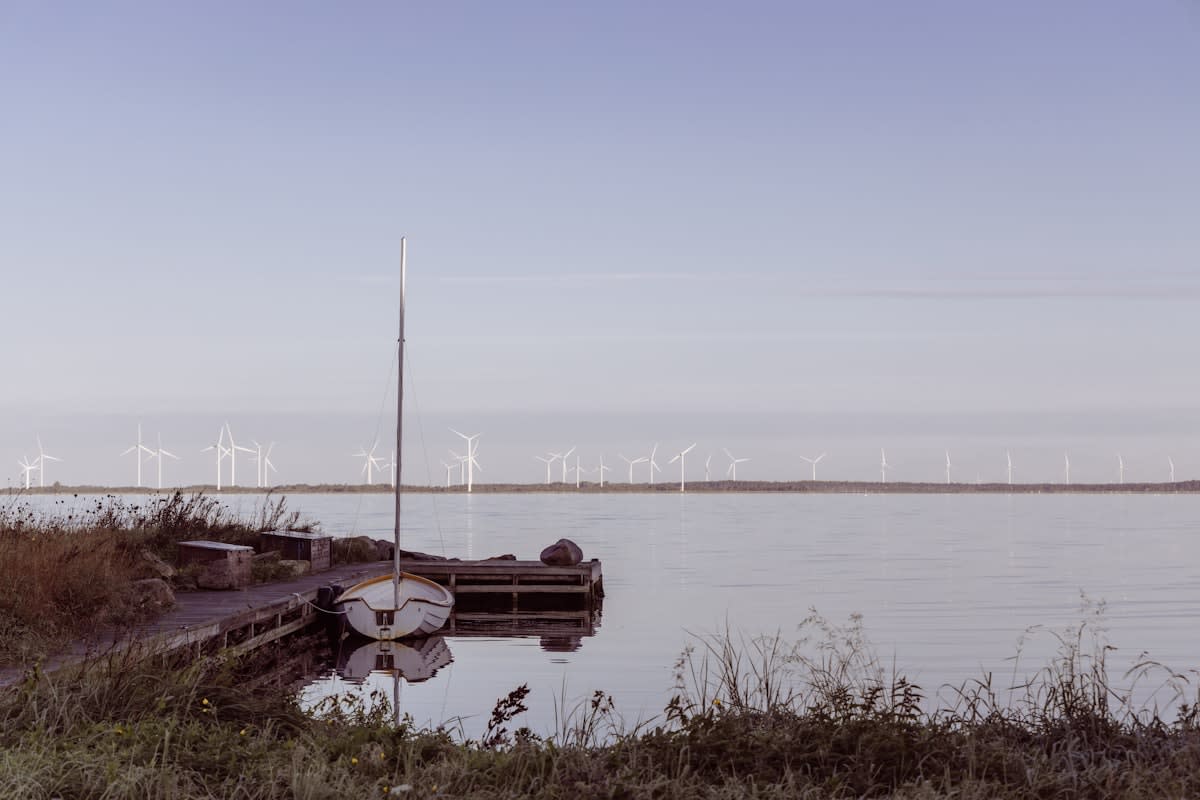
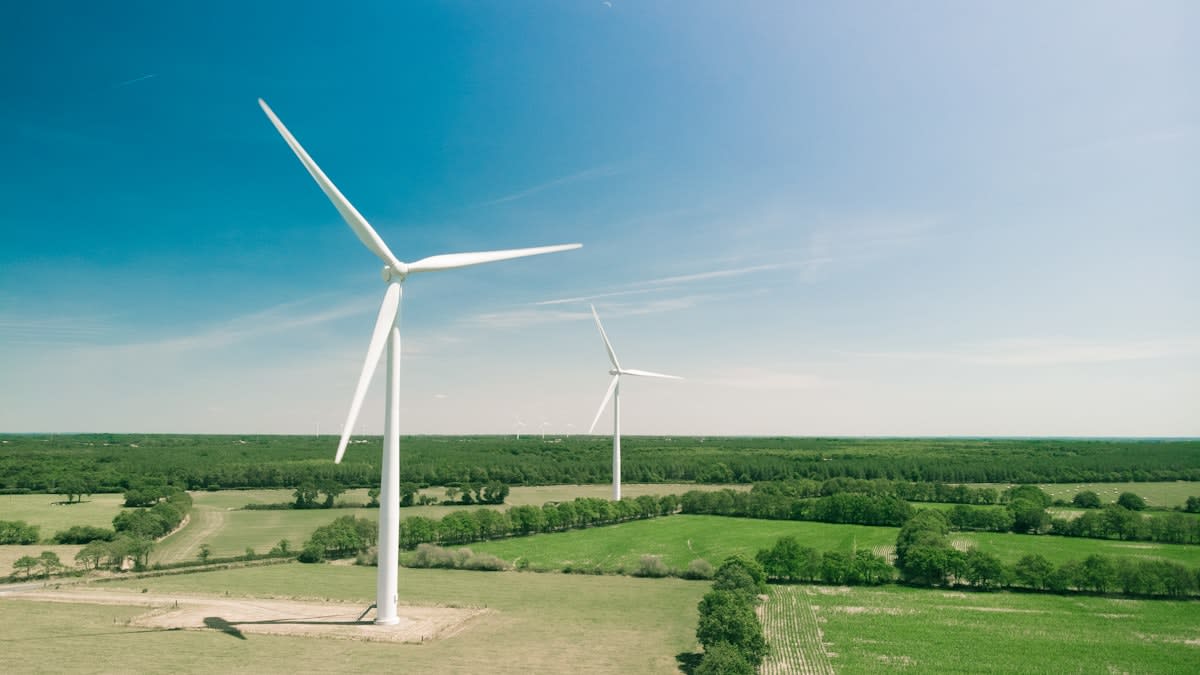
Does this mean the transition is impossible? No. But it means the strategy must shift from 'technology replacement' to 'ecosystem design.' We are seeing the rise of 'Green Steel Hubs' in regions with abundant wind and solar, such as Northern Sweden and parts of Australia. By co-locating hydrogen production with steel mills, companies like H2 Green Steel are attempting to bypass the grid constraints and create a vertically integrated low-carbon value chain.
The geopolitical landscape is now being reshaped by the Carbon Border Adjustment Mechanism (CBAM) in the European Union. By taxing the carbon content of imported steel, the EU is effectively forcing global exporters to decarbonize or lose market access. This is a bold strategic move. It transforms carbon from an externality into a direct cost of doing business. For a producer in India or Brazil, the choice becomes clear: invest in H2-DRI now or be priced out of the world's most lucrative markets.
However, this creates a risk of 'carbon leakage,' where dirty steel is simply diverted to markets with lower environmental standards. This fragmented approach only slows the systemic shift. The real victory occurs when the cost of green hydrogen drops below the cost of coking coal. Until that tipping point is reached, green steel will remain a premium product—a boutique material for luxury EVs and high-end architecture rather than the standard for global infrastructure.
Ultimately, the steel paradox reveals a deeper truth about the energy transition. We cannot simply 'swap' technologies; we must rebuild the industrial base of the planet. The skeleton of modernity is heavy, rigid, and deeply embedded in the earth's carbon. Breaking that bond requires more than just engineering—it requires a global alignment of capital, policy, and energy production on a scale never before attempted in human history.
Fact-Check & Accuracy Note
The claims regarding global emission percentages (7-9%) and production shares (China >50%) are sourced from the International Energy Agency (2023) and the World Steel Association (2023). The technical distinctions between BF-BOF, EAF, and H2-DRI are based on established metallurgical standards. There remains an ongoing industry debate regarding the scalability of green hydrogen and the long-term quality of scrap-based steel for specialized applications.
Editorial Note
This analysis adopts a Strategic Analyst persona, focusing on the systemic barriers (CAPEX, Chemistry, Energy Nexus) rather than localized project updates. The perspective is intentionally contrarian, questioning the sufficiency of the circular economy in the face of growing global demand.