Moringa lattes and tigernut kebabs: the young Ghanaians ‘taking back the power’ of their food
Source Entity
Kaamil Ahmed
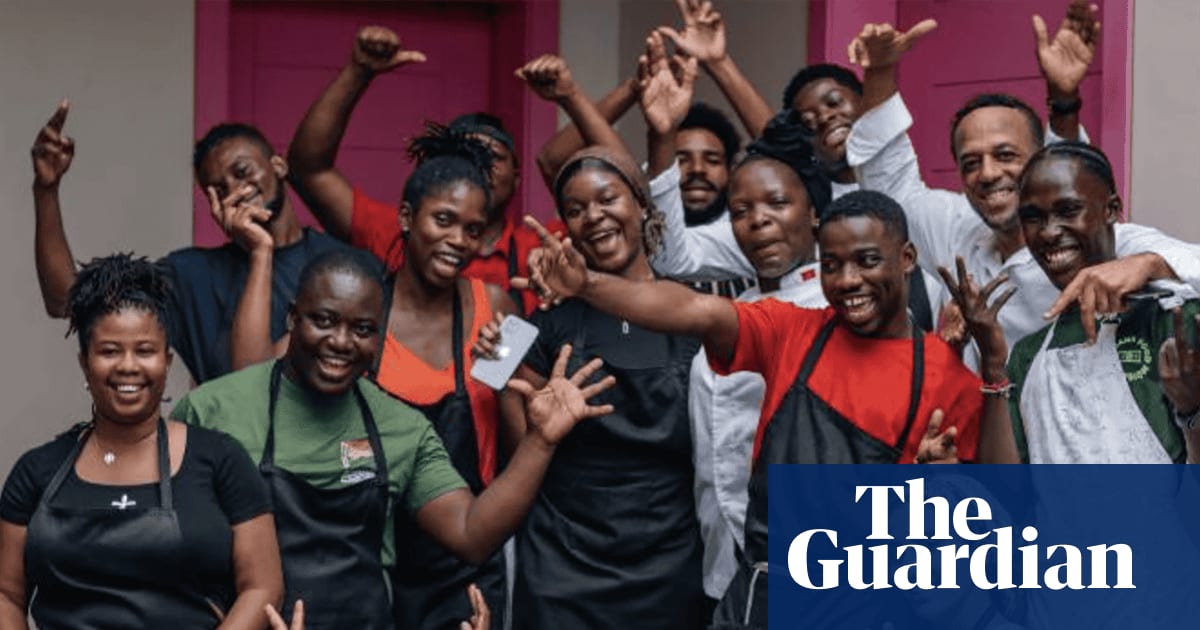
Young Ghanaian chefs like Abiro Wisdom are rejecting traditional culinary education that prioritizes Western menus. They are instead revitalizing indigenous ingredients like moringa and tigernuts to reclaim their cultural identity through food.
The Culinary Decolonization of Ghana
For decades, the standard for professional culinary education in many parts of the Global South has been heavily influenced by Eurocentric models. As evidenced by Abiro Wisdom’s experience at Accra Technical University, the curriculum often prioritizes French, Italian, and Mexican cuisines, effectively marginalizing indigenous foodways. This institutional bias creates a disconnect between the classroom and the local reality, where nutritious, homegrown ingredients are frequently sidelined in favor of imported culinary standards intended for international hotel chains.
The Identity Crisis in Hospitality Education
Abiro Wisdom’s decision to reject the traditional path of working in high-end, international hotels serves as a microcosm for a broader movement among young Ghanaian professionals. When educational institutions fail to recognize the value of local staples—such as those found in Wisdom's home region of Bolgatanga—they inadvertently signal that indigenous culture is secondary to globalized cuisine. This creates an environment where chefs are trained to serve a global palate at the expense of their own heritage and personal identity.
Reclaiming the Power of Indigenous Ingredients
By focusing on ingredients like moringa and tigernuts, young entrepreneurs are actively reclaiming the 'power' of their food. These ingredients are not merely substitutes; they are nutrient-dense powerhouses that have sustained communities for generations. By integrating them into modern formats like lattes and kebabs, chefs are bridging the gap between historical dietary practices and contemporary urban consumption, making ancestral knowledge relevant to a younger, modern audience.
Challenges of Challenging the Status Quo
The shift away from established catering norms is not without its difficulties. Students like Wisdom face a system deeply entrenched in the prestige of international hotel standards. Pursuing a career that centers on local ingredients requires a departure from traditional employment structures and often necessitates the creation of new entrepreneurial models. This shift, however, is essential for fostering a culinary identity that is authentic to the Ghanaian experience rather than a derivative of colonial-era culinary standards.
Future Trends in Regional Cuisine
We are likely to see an increase in 'niche-to-mainstream' movements where indigenous ingredients become the primary focus of local tourism and hospitality. As awareness grows, the demand for authentic, locally-sourced, and sustainable food will likely force institutions to reconsider their curricula. If programs at universities like Accra Technical University begin to incorporate indigenous knowledge, it will empower the next generation of chefs to act as cultural ambassadors rather than just service workers in globalized hotel chains.
Conclusion: A New Culinary Narrative
The movement led by individuals like Abiro Wisdom represents a fundamental shift in how food is perceived in Ghana. By rejecting the expectation to conform to international culinary standards, these young chefs are ensuring that their cultural heritage is not only preserved but actively celebrated. This is a vital step toward food sovereignty and the recognition that local, nutritious food is worthy of the same respect and sophisticated presentation as any international cuisine.