'Putin set to target UK': Britain on alert after Burnham's tech transfer to Ukraine
Source Entity
VIVEK DUBEY
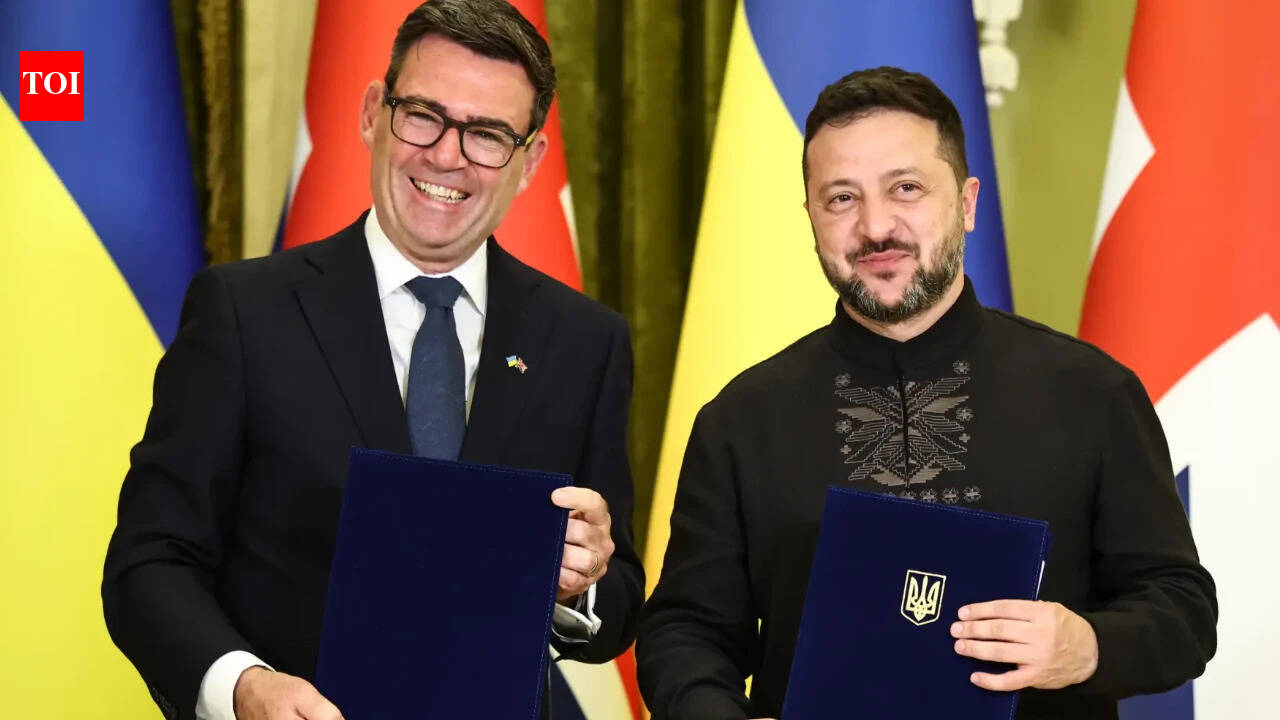
Britain faces potential Russian retaliation following Prime Minister Andy Burnham's decision to share Storm Shadow missile technology with Ukraine. Security officials warn of a direct response as tensions escalate over the UK's deepening military support for Kyiv.
Escalating Tensions: The Storm Shadow Technology Transfer
Recent reports indicate that the United Kingdom is facing heightened security warnings regarding potential Russian retaliation. This shift in the geopolitical landscape follows Prime Minister Andy Burnham’s recent visit to Ukraine, which culminated in a strategic decision to provide Kyiv with the technical blueprints for British-made components utilized in Storm Shadow cruise missiles. This transfer represents a significant escalation in the scope of military aid provided by the UK to Ukraine, moving beyond the direct supply of hardware toward the localized production of advanced long-range weaponry.
The Strategic Shift in Military Support
The decision to share technical specifications for the Storm Shadow missile system is a calculated effort to bolster Ukraine’s indigenous defense manufacturing capabilities. By enabling Kyiv to produce components domestically, the UK aims to ensure a more sustainable supply chain for Ukraine’s long-range strike capabilities. However, this move has drawn sharp criticism from Moscow, which views the involvement of Western technology in Ukrainian missile production as a direct provocation, further blurring the lines of engagement between NATO-aligned nations and the Russian Federation.
Evaluating the Russian Response
Security sources cited in Whitehall have expressed significant concern regarding the possibility of a "direct response" from the Kremlin. The idiom of "poking the bear" has become a central theme in domestic security briefings, reflecting a growing anxiety among British officials that Russia may escalate its hybrid warfare tactics—including cyberattacks, sabotage, or other asymmetrical actions—to penalize the UK. The ambiguity of what a direct response entails has prompted a heightened state of alert across British defense and intelligence infrastructures.
Miscalculation in Diplomatic Signaling
There is a palpable sense within the British government that Moscow may have underestimated Prime Minister Burnham’s resolve regarding the Ukraine conflict. While previous administrations maintained a careful balance in the type of military support offered, the current policy signals a more aggressive stance on enabling Ukrainian long-range strikes. This perceived shift in commitment has forced a reassessment of the risks associated with the UK’s continued involvement in the conflict, as the threshold for what Russia considers an intolerable provocation continues to evolve.
Future Implications and Global Stability
The long-term implications of this technology transfer are profound. If Ukraine successfully integrates these blueprints to enhance its domestic missile production, it could significantly alter the tactical landscape of the war, allowing for sustained pressure on Russian logistics and command centers. Conversely, this development risks a more permanent fracture in UK-Russia relations, with the potential for ongoing retaliatory cycles that could impact broader European security. As Britain braces for potential fallout, the international community remains focused on how the Kremlin will choose to translate its warnings into tangible action.