Zelensky fails to stop Putin's war machine: Russia adds 48 Su-35S to arsenal since February 2022
Source Entity
Latest News: Todays Latest News Headlines from India & World | Hindustan Times | Hindustan Times
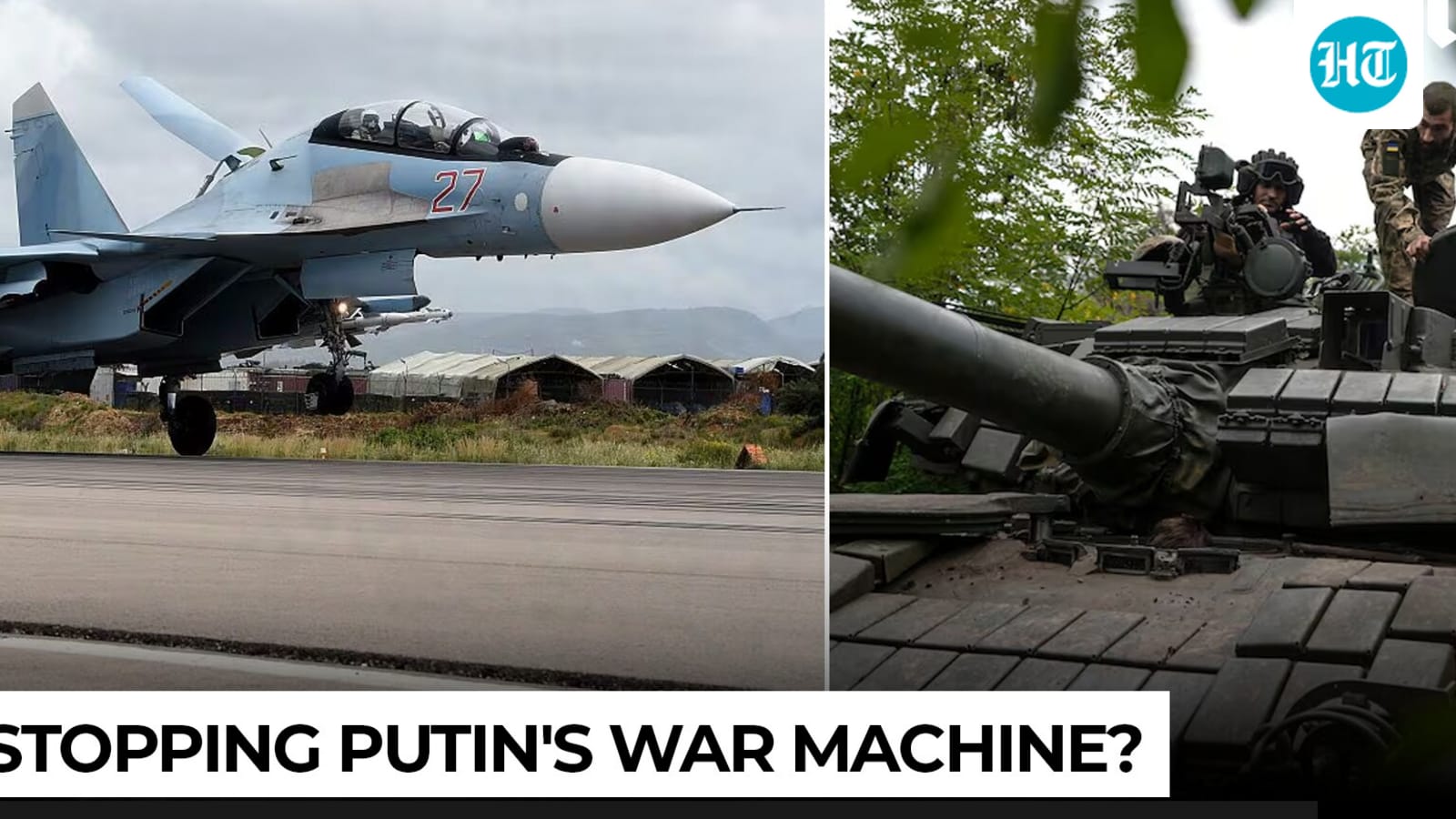
Russia has significantly bolstered its aerial capabilities by adding 48 Su-35S fighters to its arsenal since February 2022. This expansion complicates Ukraine's defense efforts and raises concerns about the effectiveness of Western air-defense support in countering Moscow's growing airpower.
The Expanding Shadow of Russian Airpower
Since the escalation of the conflict in February 2022, the Russian Federation has significantly bolstered its frontline aerial capabilities, notably incorporating 48 Su-35S fighter jets into its active fleet. This rapid expansion of advanced hardware underscores a persistent strategic challenge for the Ukrainian military, which has struggled to neutralize the technological and numerical advantages held by the Russian Aerospace Forces. The Su-35S, a highly maneuverable 4++ generation fighter, serves as a cornerstone of Moscow’s air superiority doctrine, posing a constant threat to Ukrainian ground forces and logistical nodes.
Disparity in Attrition and Production
Data indicating the addition of these 48 units stands in stark contrast to the reported losses of the Russian fleet, which Ukraine claims to be approximately seven aircraft. This statistical gap suggests that Russia’s domestic military-industrial complex remains highly functional, successfully outpacing the attrition rates experienced on the battlefield. While Western sanctions were intended to cripple Russia's ability to manufacture and maintain modern fighter jets, the influx of new Su-35S units demonstrates a resilient supply chain and a concerted effort to maintain dominance in the contested airspace over Eastern Europe.
The Failure of Conventional Air Defense
Despite the consistent provision of sophisticated Western air-defense systems—including Patriot batteries, NASAMS, and IRIS-T platforms—Ukraine continues to face significant hurdles in curbing Russian air operations. The expansion of Russia's Su-35S fleet complicates the tactical environment, forcing Kyiv to constantly reallocate defensive resources to protect critical infrastructure. The inability to fully suppress these assets has led to renewed scrutiny regarding the long-term sustainability of Ukraine’s current defensive posture against a foe that continues to scale its offensive hardware.
Strategic Implications for the Frontline
The presence of an increasing number of Su-35S fighters provides Moscow with the ability to conduct extended patrols, intercept Ukrainian sorties, and deploy long-range standoff munitions with greater frequency. As Russia continues to refine its air-to-air and air-to-ground capabilities, the tactical burden on Ukrainian pilots and ground operators grows exponentially. This shift in the balance of power forces a reevaluation of how Western-supplied weaponry is utilized, as the sheer volume of Russian aerial hardware threatens to overwhelm existing defensive umbrellas.
Future Trends and Tactical Outlook
Looking ahead, the continued growth of the Russian fighter fleet signals a prolonged war of attrition where air superiority remains a decisive, albeit elusive, objective. If Russia continues to integrate new Su-35S airframes at this rate, Ukraine will likely remain on the defensive, unable to effectively contest the skies without a significant shift in either the quantity or the quality of its own aerial assets. The future of this conflict will likely be defined by the intersection of industrial capacity and the efficacy of international aid in offsetting Russia’s expanding technological footprint.
Verification Required?