‘Not my nose’: Denmark PM Mette Frederiksen hits back at surgeon over unsolicited advice
Source Entity
The Indian Express
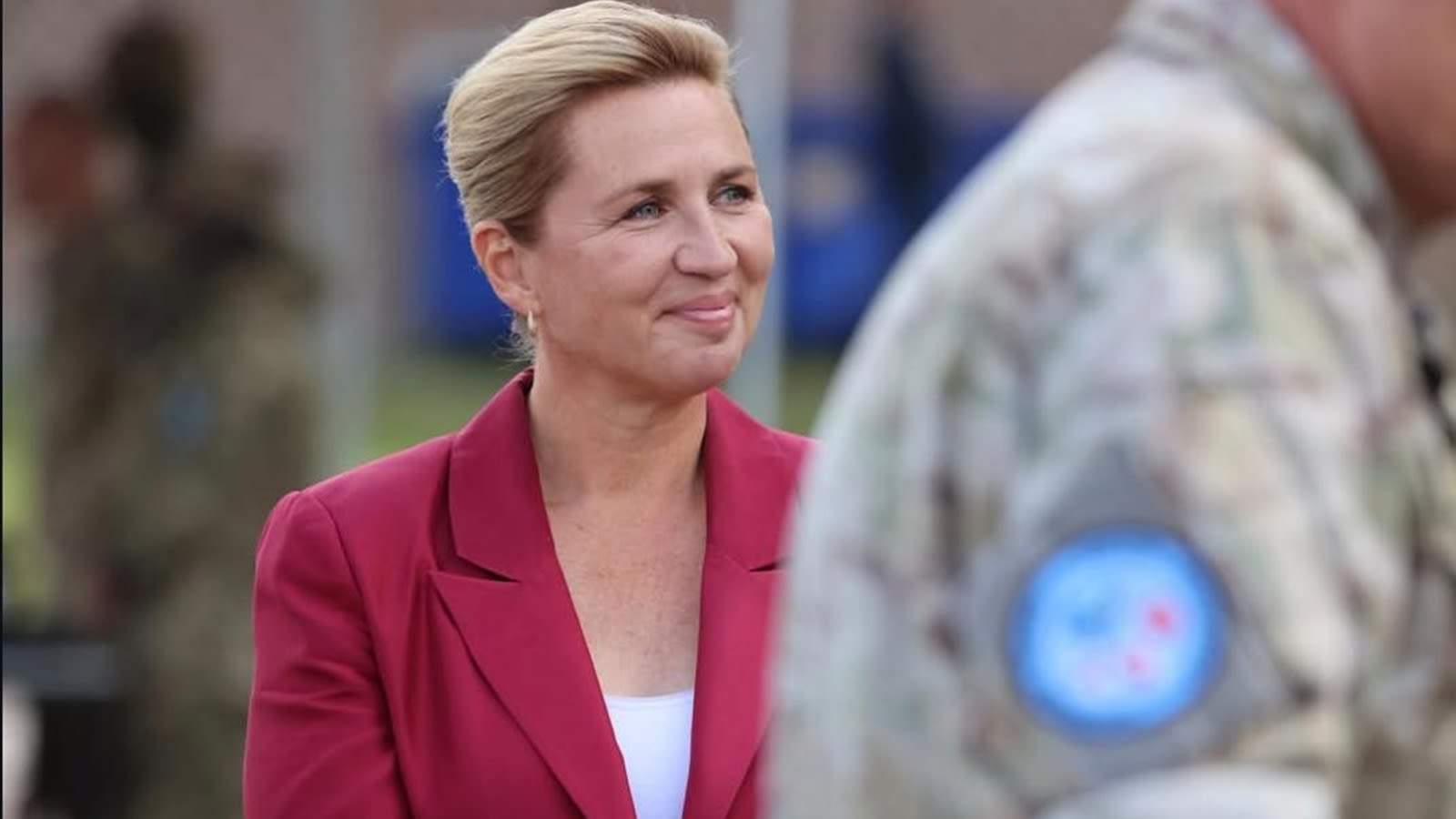
Danish Prime Minister Mette Frederiksen publicly rebuked a male plastic surgeon who offered unsolicited advice about her nose. She used the incident to highlight the persistent and disproportionate scrutiny women in leadership roles face regarding their physical appearance.
The Burden of Visibility: Mette Frederiksen and the Politics of Appearance
Danish Prime Minister Mette Frederiksen, one of Europe’s most prominent and longest-serving heads of government, recently found herself the subject of an unsolicited critique regarding her physical appearance. A male plastic surgeon reached out to the Prime Minister, suggesting he could "fix that little spot" on her nose. Rather than ignoring the comment, Frederiksen chose to leverage her massive platform to address the broader societal issue of the hyper-scrutiny directed at women in positions of power.
Challenging Unsolicited Standards
By publicly rejecting the surgeon's offer via Instagram, Frederiksen drew a firm boundary between her professional role and the societal expectation that women must maintain a specific aesthetic standard. Her response—stating clearly that she is happy with her body and requires no input from male medical professionals on her appearance—serves as a refusal to participate in the culture of cosmetic perfectionism. This incident underscores how even the most powerful women in the world are not exempt from the intrusive gaze that seeks to prioritize their physical presentation over their political agency.
The Gendered Landscape of Political Scrutiny
Women in politics have historically faced a different quality of media and public attention than their male counterparts. While male leaders are often judged primarily on policy, rhetoric, and crisis management, female leaders frequently endure comments on their clothing, hair, and physical features. Frederiksen’s decision to confront this specific surgeon highlights the exhaustion many women feel in navigating a public sphere where their bodies remain "public property" subject to unsolicited critiques and "helpful" suggestions from strangers.
Geopolitical Context and Leadership
It is essential to view this incident through the lens of Frederiksen’s stature as a leader. As a staunch supporter of Ukraine in its ongoing conflict against Russia, Frederiksen is engaged in high-stakes diplomacy and major strategic decision-making. The juxtaposition of her serious, heavy-duty work on the global stage with the triviality of a plastic surgeon’s comment on her nose underscores the absurdity of the standards women face. Her ability to pivot from international security matters to defending her own autonomy reflects the multi-layered pressure of modern governance.
Implications for Future Leadership
This interaction provides a blueprint for how future female leaders might address similar intrusions. By calling out the behavior publicly, Frederiksen transforms a private, disrespectful message into a teachable moment regarding gender equality and bodily autonomy. Her refusal to be silent signals to other women in power that they possess the agency to reject the "aesthetic tax" levied upon them by society. It remains a stark reminder that even in highly egalitarian societies like Denmark, the struggle for respect—independent of physical appearance—remains an ongoing challenge.